
How Rising Landfill Costs Are Changing Skip Hire and Recycling Decisions
From 1 April 2025, the standard landfill tax rate in England and Northern Ireland rose to £126.15 per tonne, with the lower rate for inert waste (soil, rubble, some construction materials) increasing to £4.05 per tonne [GOV.UK]. This increase reflects inflation adjustments and renewed efforts by the government to discourage landfill disposal and encourage recycling, reuse and recovery.
What the New Tax Means for Skip‑Hire and Waste Disposal Costs
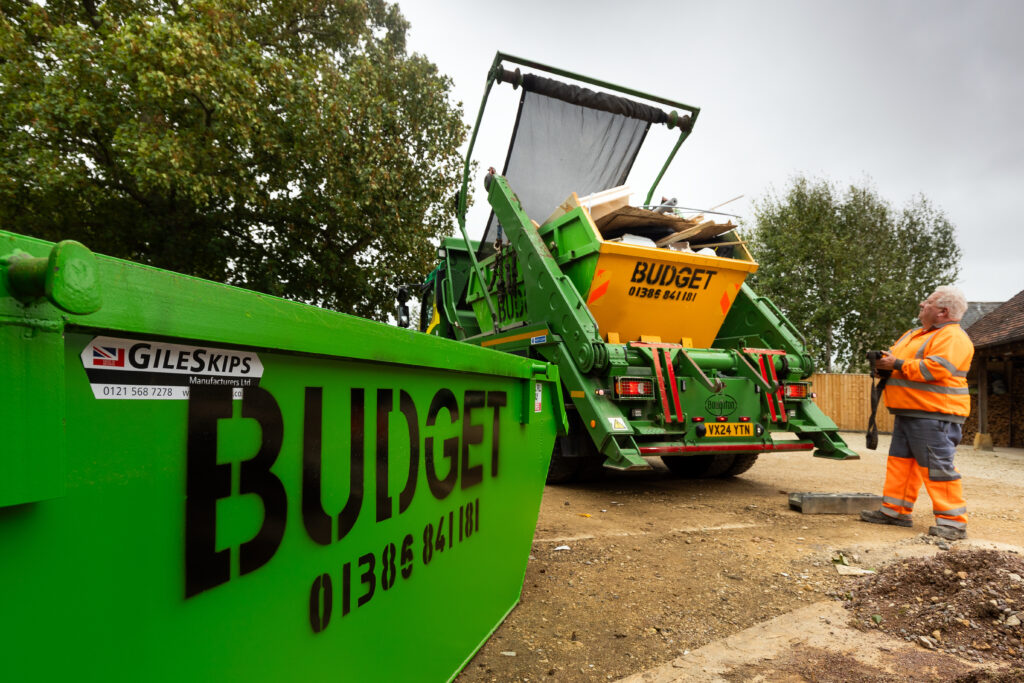
For any business relying on skip‑hire services — whether construction, renovation, retail or manufacturing — the higher landfill tax directly increases disposal costs. Skip‑hire operators typically pass these costs on to customers, which means every load destined for landfill now carries a significantly larger fee than in previous years. This rise in disposal costs impacts budgeting, especially for projects generating large volumes of waste or those requiring multiple skips over time.
When waste is not separated — for example mixed general waste, construction debris, packaging materials — the entire load is taxed at the standard rate, which makes “cheap” skip‑hire much less cost‑effective. In many cases, businesses that continued “business as usual” now find themselves paying far more than anticipated simply because waste volumes and composition weren’t reviewed.
New Waste Regulations Amplify the Need for Waste Separation
Alongside the tax changes, new regulations under the Simpler Recycling rules came into force in England on 31 March 2025. These require workplaces — including offices, retail, hospitality, manufacturing, and other non‑domestic premises — to separate their waste into key streams: dry recyclables (glass, metal, plastic, paper/card), food waste, and residual waste. Micro‑firms (fewer than 10 full‑time equivalent employees) have until 31 March 2027 to comply. [GOV.UK]
The legislation raises the bar for waste management standards and puts more responsibility on businesses to avoid landfill where possible. Under such a framework, relying on mixed‑waste skips doesn’t just become expensive — it may become unsustainable or legally risky. Separating waste streams and diverting recyclable materials can lead to lower disposal costs and compliance with national waste law.
Recycling and Waste Segregation: Cost‑Effective Alternatives to Landfill
Businesses that segregate waste and use recycling or recovery routes can avoid high landfill‑tax costs. Materials such as inert rubble, concrete, metals, wood, and other recyclables often qualify for lower disposal rates or may even have value as recycled materials — reducing overall waste expenditure.
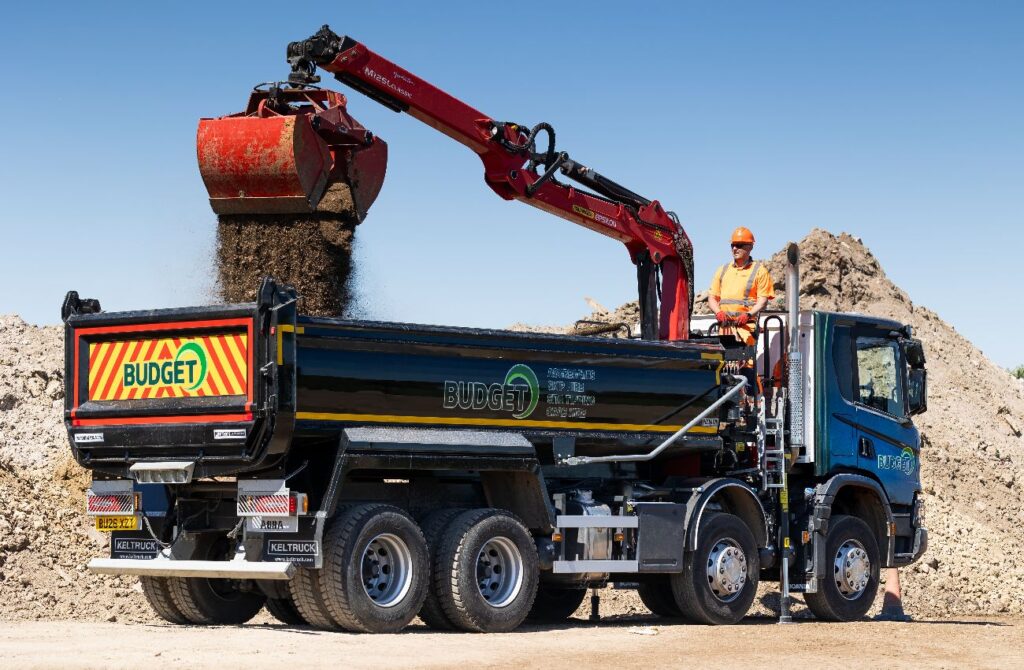
For example, a construction firm producing clean inert rubble or concrete from a renovation can divert that waste through appropriate recycling or reuse channels rather than landfill. The cost difference per tonne adds up quickly — across multiple loads, large waste streams, or continuous projects, these savings become significant. This shift demonstrates that recycling is not only environmentally sound but financially prudent under the current tax regime.
Smart Skip‑Hire Strategy: What Businesses Should Do Differently
Given the increased tax and stricter waste‑separation laws, businesses need to treat waste management as a strategic decision, not an afterthought. Key steps include:
- Conducting a waste audit to estimate the volume and type of waste generated — general waste, inert waste, recyclables, or mixed debris. This sets a baseline for skip selection and disposal strategy.
- Selecting skip sizes carefully — ordering large skips “just in case” is costly under the standard tax rate and can lead to paying for unused capacity.
- Segregating waste at source — separating recyclables, inert materials and general refuse to maximise recycling or qualify for lower disposal rates.
- Partnering with a skip‑hire provider that offers transparent pricing, recycling/diversion services, and compliance support. For example, a commercial skip hire service that supports waste separation and recovery.
- Keeping records and waste‑transfer documentation for accountability and compliance — essential under UK waste regulations and helpful for auditing or reporting needs.
Why Skip‑Hire Companies Are Evolving Their Services
The financial and regulatory shifts are reshaping the waste‑management sector. Skip‑hire firms are increasingly investing in recycling infrastructure, waste‑sorting facilities, and recovery systems, recognising that landfill‑only services are no longer viable. This means that customers now have access to more sustainable waste‑management services — offering diversion, recycling, and legislative compliance — rather than a simple skip‑ and‑dump model.
For businesses, this evolution represents value: you get a trusted partner who manages compliance, disposal, and recycling — all under one roof. It simplifies vendor management, provides accountability, and helps meet corporate sustainability goals while controlling costs.
Implications for Different Sectors
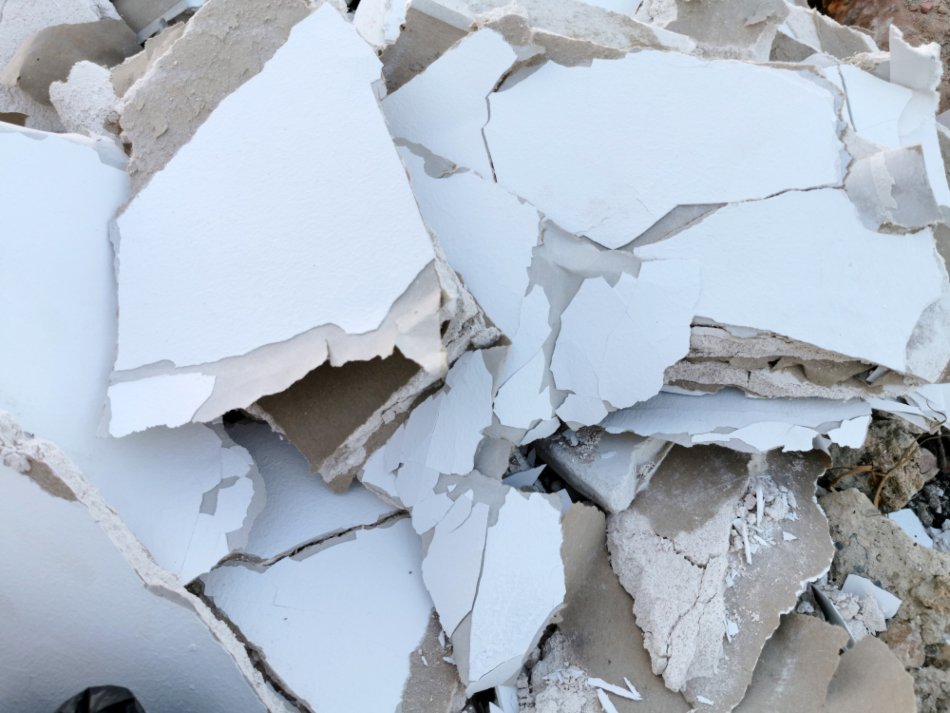
Industries such as construction, demolition, retail fit‑outs, manufacturing, and warehousing — where waste volumes and mixed materials are common — are disproportionately impacted by landfill tax increases. Projects that produce inert waste (e.g. bricks, rubble, concrete) or recyclable by‑products such as metals, wood or plasterboard can benefit most from waste‑segregation strategies. For ongoing operations or regular waste output, adopting a structured waste plan and working with a waste‑management provider capable of recycling maximises cost savings and compliance.
The 2025 rise in landfill tax and the introduction of stricter recycling regulations mark a significant shift for UK waste management. Businesses can no longer treat waste as a minor overhead — misclassification or poor waste‑handling practices carry real financial and legal consequences. By auditing waste production, segregating correctly, selecting appropriate skip sizes, and partnering with a compliant, recycling‑focused skip‑hire provider, companies stand to save money, reduce environmental impact, and meet regulatory requirements. The message is clear: waste strategy needs to be part of core business planning, not an afterthought.
If you manage business or commercial waste, it may be time to review your waste‑management approach — and consider services that prioritise recycling, compliance and cost control.