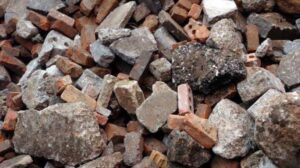

Garden Clear-Outs and Landscaping Waste: Choosing the Right Skip
Garden clear-outs and landscaping projects can quickly generate more waste than expected. From soil and turf to branches, fencing, paving slabs, and general debris, even a relatively small job can produce large volumes of material. Without a clear plan for handling that waste, projects can become disorganised, time-consuming, and more expensive than necessary.
Choosing the right skip and managing waste properly helps keep outdoor projects running smoothly. Whether the work involves a simple garden tidy-up or a full landscaping redesign, understanding the types of waste involved and how to handle them makes a noticeable difference to both efficiency and cost.
Understand the types of garden and landscaping waste
Not all garden waste is the same. Soft green waste such as grass cuttings, leaves, and small branches is very different from heavier materials like soil, clay, stones, and concrete. Landscaping projects often produce a mix of both, along with timber, fencing panels, and sometimes general household waste from outdoor storage clear-outs.
Knowing what materials will be produced helps determine the right skip type and how it should be used. For example, heavy materials such as soil and rubble can quickly reach weight limits even in smaller skips, while lighter green waste may require more volume but less weight capacity.
Choose the right skip size for the job
Selecting the correct skip size is one of the most important decisions for any garden project. A skip that is too small will fill up quickly, leading to additional collections and higher costs. A skip that is too large may not be fully used, which means paying for unused space.
Small garden clear-outs or maintenance jobs may only require a compact skip, while larger landscaping projects — such as removing patios, digging out soil, or replacing fencing — will usually need a larger option. Using a reliable skip hire service makes it easier to match the skip size to the scale of the work.
Be aware of weight limits with soil and rubble
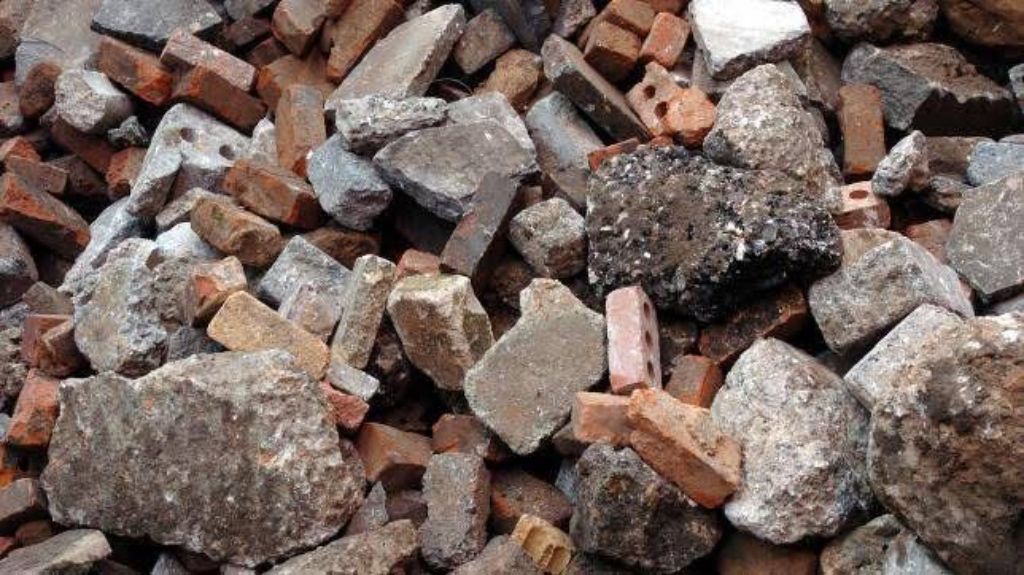
One of the most common issues with landscaping waste is weight. Materials such as soil, clay, bricks, and concrete are much heavier than general waste. Even a partially filled skip can become too heavy to transport safely if it is loaded incorrectly.
For this reason, it is important not to overfill skips with heavy materials. In some cases, it may be more efficient to use multiple smaller skips or arrange collections in stages rather than trying to load everything into one container. This approach helps avoid delays and ensures the skip can be collected without issue.
Separate green waste from heavy materials
Where possible, it is useful to keep green waste separate from soil, rubble, and mixed debris. Green waste can often be processed differently, including composting or other forms of recovery. Mixing it with heavier materials reduces the chances of it being handled in the most efficient way.
Simple separation on site can improve recycling outcomes and reduce disposal costs. For example, keeping branches and plant waste separate from paving slabs or hardcore makes it easier for waste facilities to process each material correctly.
Plan skip placement carefully
Before delivery, consider where the skip will be placed. It should be positioned in a location that allows easy access for loading without obstructing driveways, pathways, or neighbouring properties. For larger landscaping jobs, placing the skip close to the work area reduces the need to move heavy materials over long distances.
If space is limited or access is difficult, alternative options such as wait-and-load services may be more suitable. Planning placement in advance helps avoid delays and ensures the project runs more efficiently from the start.
Check what cannot go into a garden skip
While most garden and landscaping waste can go into a skip, there are some restrictions. Items such as hazardous waste, chemicals, certain treated materials, and specific types of large household waste may require separate handling. It is always best to confirm what is permitted before loading the skip.
If your project involves any specialist materials, it may be necessary to use a dedicated disposal service. This ensures compliance and avoids issues during collection.
Consider recycling and responsible disposal
Garden and landscaping waste does not have to go to landfill. Many materials can be recycled or reused. Green waste can often be composted, while rubble and hardcore may be processed into recycled aggregates. Timber can sometimes be reused or recovered depending on its condition.
Using a provider that focuses on responsible waste handling helps ensure that as much material as possible is diverted from landfill. This supports more sustainable project outcomes and can also reduce overall disposal costs.
Keep the project organised
Waste can quickly build up during outdoor work, especially when multiple tasks are happening at once. Keeping the site organised with a clearly designated waste area helps prevent clutter and improves safety. Regularly loading the skip and arranging collections at the right time keeps the project moving without unnecessary interruptions.
Garden clear-outs and landscaping projects are much easier to manage with the right waste plan in place. By choosing the correct skip size, understanding material types, separating waste where possible, and working with a reliable provider, you can keep your project efficient and cost-effective.
Outdoor projects often produce more waste than expected, but with the right approach, that waste can be handled safely, responsibly, and without disrupting the work.