
When to Use Grab Hire Instead of Skip Hire for Waste Removal
Choosing the right waste removal method can make a significant difference to the efficiency and cost of a project. Skip hire is widely used and works well in many situations, but it is not always the most practical option. For certain types of jobs, especially those involving large volumes of loose material or limited site access, grab hire offers a more efficient alternative.
Understanding when to use grab hire instead of a skip helps avoid delays, reduces labour, and ensures waste is removed in the most effective way possible. Both services have their place, but they are designed for different types of work.
What is grab hire?
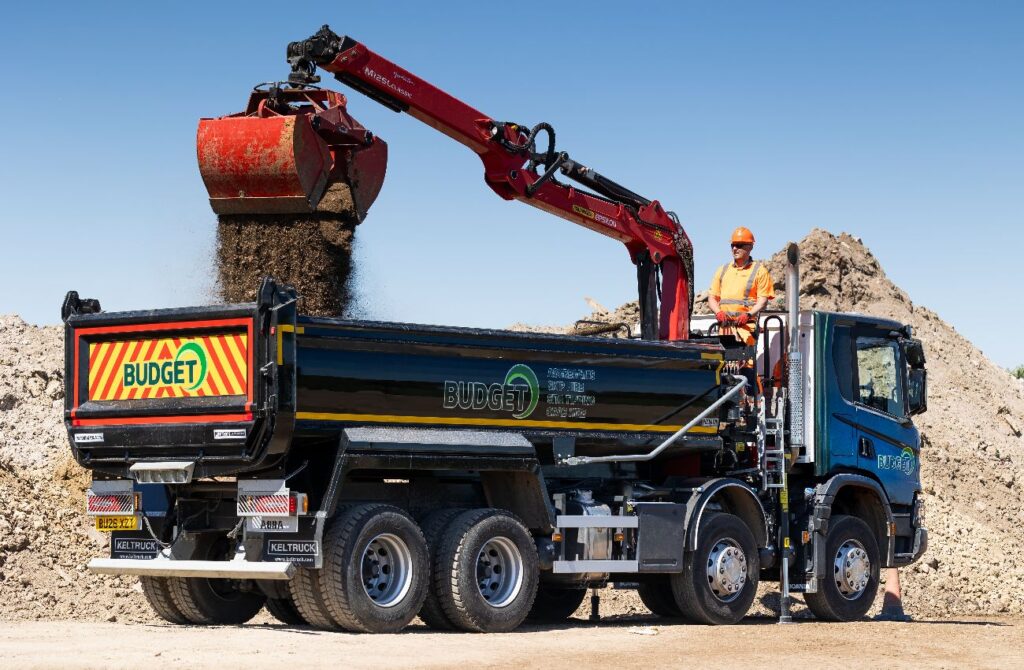
Grab hire involves the use of a lorry fitted with a hydraulic arm, often referred to as a grab. This arm allows the operator to collect and load waste directly into the vehicle without the need for manual handling. The lorry can typically collect large quantities of material in a single visit, making it suitable for projects where waste has already been piled or where time is limited.
Unlike skip hire, where waste must be loaded manually into a container, grab hire removes the need for on-site loading. This can save both time and effort, particularly on busy construction or landscaping jobs.
When dealing with large volumes of loose waste
Grab hire is particularly effective when there is a large amount of loose material to remove. Soil, clay, hardcore, bricks, and rubble are common examples. These materials are often produced in bulk during excavation or demolition work and can be difficult to manage using standard skips.
Instead of loading multiple skips over time, a grab lorry can collect the waste in one visit. This reduces the number of collections required and keeps the site clear. For projects producing continuous waste, this approach can be far more efficient than relying on multiple skip exchanges.
When space on site is limited
Not all sites have the space to accommodate a skip. Urban projects, narrow driveways, and restricted access areas can make skip placement difficult or impractical. In these cases, grab hire provides a solution because the vehicle does not need to remain on site.
The grab arm can reach over fences, walls, or obstacles to collect waste from a distance. This allows materials to be removed even when they are not positioned directly next to the vehicle. For sites where space is tight, this flexibility makes a noticeable difference.
When fast waste removal is required
Time is often a key factor on construction and landscaping projects. Waiting for a skip to be delivered, filled, and then collected can slow progress, especially if additional skips are needed. Grab hire removes this delay by collecting waste in a single visit.
This is particularly useful for projects working to tight deadlines or where waste needs to be cleared quickly to allow the next phase of work to begin. By removing waste immediately, grab hire helps keep projects moving without interruption.
When waste is already piled and ready for collection
Grab hire is most effective when waste is already gathered in one place. For example, after excavation work or a site clearance, materials are often left in piles ready to be removed. In these situations, using a grab lorry avoids the need to move the waste again just to load a skip.
The grab arm lifts the material directly into the vehicle, reducing handling time and labour. This makes it a practical choice for contractors who want to remove waste quickly without additional effort on site.
Comparing costs with skip hire
Cost is always a consideration when choosing between grab hire and skip hire. While skips may appear cheaper at first, the total cost can increase if multiple skips are required or if additional labour is needed to load them.
Grab hire can often be more cost-effective for large or heavy waste because it reduces the number of collections and eliminates manual loading time. For projects generating significant volumes of material, a single grab lorry can replace several skips, which helps control overall costs.
When skip hire may still be the better option
Despite its advantages, grab hire is not suitable for every situation. Projects that produce smaller amounts of waste over a longer period may benefit more from having a skip on site. Skips allow waste to be added gradually, which is useful for ongoing work rather than one-off clearances.
In addition, grab lorries require enough access for the vehicle itself. If a site cannot accommodate the lorry, alternative solutions may be needed. In these cases, using a commercial skip hire service may be more appropriate.
Combining grab hire with other waste services
Many projects benefit from using a combination of waste services rather than relying on one method alone. For example, grab hire can be used for initial bulk removal, followed by skip hire for ongoing waste. This approach provides flexibility and ensures each stage of the project is handled efficiently.
For larger or more complex jobs, integrating grab hire with broader commercial waste management services can help maintain consistency and compliance across the entire project.
Grab hire is a practical alternative to skip hire when dealing with large volumes of loose waste, limited site space, or tight project timelines. It reduces the need for manual loading, speeds up waste removal, and can be more cost-effective for bulk materials.
Skip hire still has an important role, particularly for smaller or ongoing projects, but understanding the strengths of each option allows businesses and contractors to choose the most suitable solution. By selecting the right method for the job, waste removal becomes more efficient, cost-effective, and easier to manage.