
1. Estimate the Waste Volume in Advance
Before starting your renovation, it’s essential to estimate how much waste your project will produce. This will ensure you hire the correct skip size and avoid extra costs or overloading the skip.
Tips for Estimation:
- Assess the project size: Different projects produce different amounts of waste. For example, a small bathroom renovation may require a mini skip, while a full kitchen remodel might need a larger one.
- Use past projects as a guide: If you’ve done renovations before, use those experiences to estimate how much waste you’ll have this time.
Pro Tip: Unsure about the size? Use our skip size guide to help estimate the best option for your renovation waste.
2. Separate Recyclables from General Waste
Separating recyclable materials from general waste is not only good for the environment but can also make your waste disposal more efficient. Many renovation materials, such as metal, wood, and glass, can be recycled.
Steps for Separating Waste:
- Set up sorting areas: Designate separate areas for recyclables and non-recyclables before waste starts to pile up.
- Check local recycling rules: Make sure you know how and where to recycle materials like metal, glass, and wood in your area.
Pro Tip: Set up a small “waste station” on-site with labelled bins for easy sorting during the renovation.
3. Know the Rules: What You Can and Can’t Put in a Skip
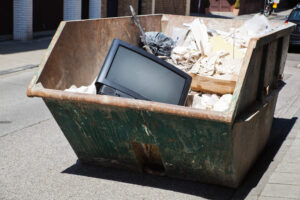
Not all materials can be thrown into a skip. Items such as asbestos, electrical appliances, and hazardous chemicals require special disposal methods.
List of Prohibited Items:
- Asbestos
- Paint and solvents
- Fridges, freezers, and other electrical items
- Chemicals and tyres
Solutions for Disposal:
- Check with your local council: Some hazardous materials can be disposed of through specialised council services.
- Use dedicated recycling services: For electronic waste and chemicals, there are often designated recycling points or services available in your area.
4. Maximise Your Skip Space to Save Money
Properly packing your skip can make a big difference. Efficient loading will help you avoid hiring an additional skip, saving both time and money.
Tips for Efficient Loading:
- Break down bulky items: Furniture, cabinets, and other large items should be dismantled to fit more into the skip.
- Layer your waste: Place heavy items at the bottom and lighter waste on top to make the most of the space.
Pro Tip: Don’t leave air pockets! Pack your waste tightly to avoid hiring a second skip.
5. Plan Skip Delivery and Collection Times Around Your Project
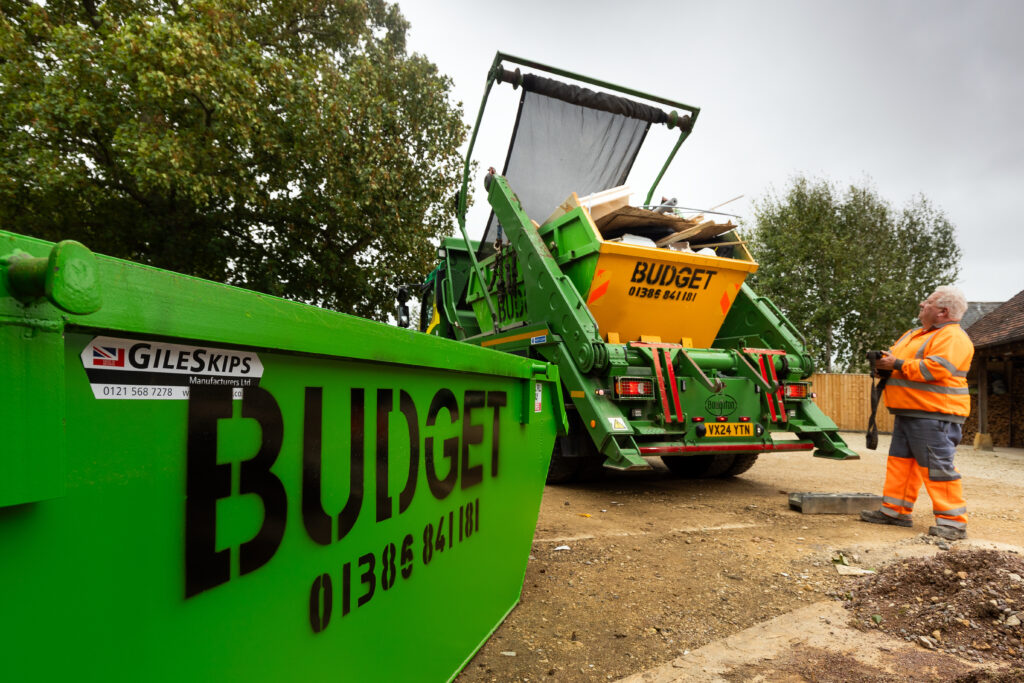
Timing is everything when it comes to skip hire. You want your skip to arrive when your renovation generates the most waste, and have it collected as soon as the project is complete to avoid unnecessary delays.
Steps for Planning Delivery:
- Synchronise with your project timeline: Ensure the skip arrives just before the heaviest part of your renovation (e.g., demolition) and is collected once the job is done.
- Book collection early: Make arrangements for collection in advance to prevent delays and extra costs.
Pro Tip: If your renovation schedule is flexible, opt for a skip hire service that offers adjustable collection times to fit your needs.
6. Check if You Need a Permit for Skip Placement
If you plan to place your skip on public land, such as a road or pavement, you’ll need to obtain a permit from your local council. Failing to do so can lead to fines or delays.
How to Secure a Permit:
- Contact your skip provider: Many skip hire companies can arrange permits on your behalf, saving you time and effort.
- Apply early: Permits can take a few days to process, so apply ahead of time to avoid delays.
Pro Tip: If you’re placing the skip on private land, such as your driveway, you can avoid needing a permit altogether.
By following these tips, you can ensure your home renovation waste is managed efficiently, helping your project run smoothly. From estimating waste to knowing what can go into the skip, good planning can save you both time and money.
Ready to hire a skip for your next renovation? Contact us today for expert advice and a free quote on the perfect skip size for your project.
FAQs
- How long can I keep a skip during a home renovation? Most skip hire companies offer flexible rental periods, but it’s best to discuss your timeline with your provider.
- What materials should I avoid putting in the skip? Avoid putting hazardous waste like chemicals, asbestos, and electrical appliances in your skip. Check our prohibited items list for more information.
- What happens to the waste once my skip is collected? The waste is taken to a licensed waste transfer station where it is sorted and processed for recycling or disposal.