
The Future of Plastic Waste
The world is finally starting to wake up to the problem of plastic pollution. On 2 March 2022, at the UN Environment Assembly in Nairobi, Kenya, senior representatives from 175 countries supported a revolutionary resolution to end plastic pollution. By the end of 2024, there will be an international agreement to make all plastics sustainable.
This is a huge step forward in the fight against plastic pollution, but it is only the first step. To truly solve the problem, we need to change the way we produce and use plastics. Read on to learn more about why something must be done, the current legislation in place, and the future of plastic waste.
The Scope of the Problem with Plastic Waste
The problem of plastic waste is a global one. Every year, millions of tonnes of plastic are produced, and much of it ends up in our oceans. This has a devastating impact on marine life, with creatures becoming entangled in plastic or ingesting it and suffering from malnutrition as a result.
In the UK alone, over 2 million tonnes of plastic packaging are used each year. it is estimated that around 8 to 14 million tonnes of plastic waste enter our seas every year. This is having a serious impact on our wildlife, with reports of dead seabirds washing up on our shores with bellies full of plastic.
A Worldwide Shift in Perspective on Plastic Waste
In recent years, there has been a global shift in the way we look at and treat plastic products. Increased knowledge about the risks of single-use plastics, and the dire need for them to be phased out is gathering momentum. Consider these pivotal changes that have occurred:
- In 2018, China announced that it would no longer accept imports of foreign plastic waste, which had previously been a major destination for such waste. This decision sent shockwaves through the international community and spurred many countries to reconsider their own recycling and waste management practices.
- The European Union has also taken steps to reduce its reliance on plastic, with a recent directive banning single-use plastic items like straws, plates, and cutlery by 2021.
- In the United States, more than 300 municipalities currently ban or charge fees for single-use plastic bags. States such as California, Hawaii, Puerto Rico, and American Samoa have officially banned them.
These are just a few examples of the progress that has been made in recent years to reduce our reliance on plastic. However, there is still much more work to be done. We must continue to raise awareness about the dangers of plastic pollution and put pressure on businesses and governments to adopt sustainable practices. Only then can we hope to achieve a future free from the negative impacts of plastic waste.
What Plastic Waste Changes We Have Seen in the UK in Recent Years
In the UK, we have seen several changes in recent years to try and reduce plastic waste. The 5p minimum charge for single-use plastic bags was introduced in 2015, and since then we have seen a 95% reduction in their use.
The government had also committed to banning microbeads–tiny pieces of plastic found in some exfoliating products–by the end of 2017.
These are positive steps, but more needs to be done to tackle the problem of plastic waste.
How the Environment Bill Will Impact Plastic Waste in the UK
The UK government recently announced in 2021 to introduce an Environment Bill. This Bill includes several measures to help reduce plastic waste, including:
- Made producers responsible for the cost of recycling or disposing of their products
- Introduced a tax on single-use plastics
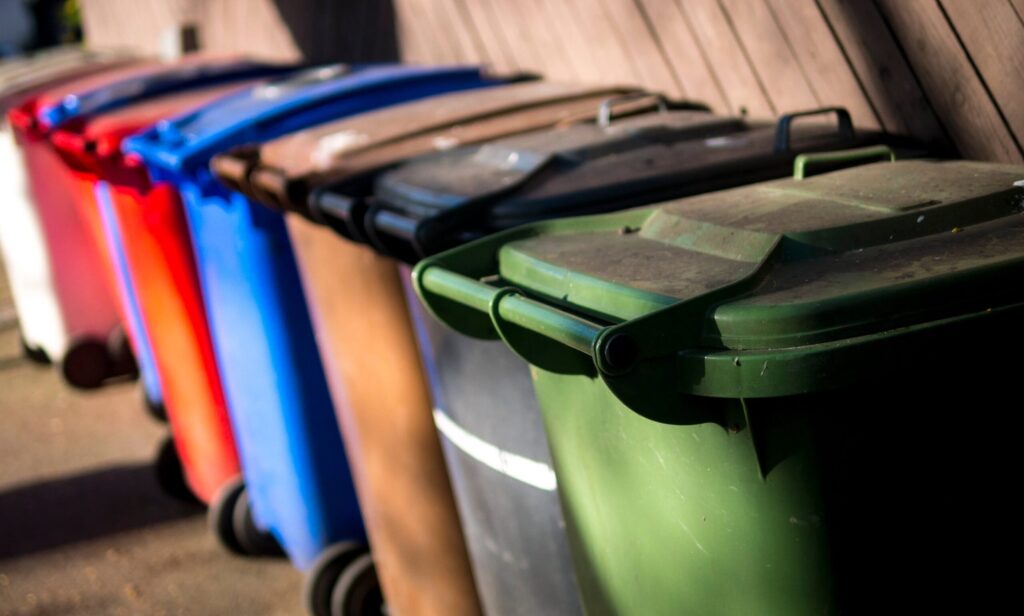
- Required businesses to separate different types of waste
- Established a consistent approach to recycling across the UK
How the Resources and Waste Strategy is Creating a Circular Economy
The government has also published a Resources and Waste Strategy, which sets out plans to move towards a circular economy. This means making sure that resources are used more efficiently and waste is reduced, reused or recycled where possible.
The strategy includes several measures to help achieve this, such as:
- Introducing separate food waste collections for households by 2023
- Banning unnecessary single-use plastics by 2030
- Making producers pay the full costs of recycling or disposing of their products by 2035
The Power of the Plastic Packaging Tax
One of the most controversial measures in the Environment Bill was the proposed plastic packaging tax. The UK’s plastic packaging tax came into effect on April 1, 2022. The tax applies to plastic packaging components that do not contain at least 30% recycled plastic and that are either manufactured in the UK or imported into the UK (although there are certain exemptions to the tax).
The tax is expected to raise approximately GBP 1 billion (EUR 1.1 billion or USD 1.3 billion) per year, which will be used to help fund recycling and other environmental initiatives in the UK. The tax is also intended to incentivise businesses to use more recycled plastic in their packaging and reduce the amount of plastic waste that is produced each year.
How Budget Skips Can Help Support Your Waste Management Goals
If you are looking for a way to reduce your plastic waste, Budget Skips can help. We offer a range of skip sizes to suit your needs, and our team can advise you on the best way to dispose of your waste.
We also offer a recycling service, which ensures that your waste is recycled where possible. This can help you to reduce your environmental impact and save money on disposal costs.
To find out more about our services, or to book a skip, contact us today.