
The Journey of Aggregates and Soils: From Collection to Recycling
Recycling aggregates and soils is an essential part of sustainable waste management. Whether from construction sites or garden clearances, these materials can be repurposed to reduce environmental impact and conserve natural resources. In this article, we’ll take you through the journey of aggregates and soils, from collection to recycling, and highlight Budget Skips‘ role in this vital process.
Collection of Aggregates and Soils
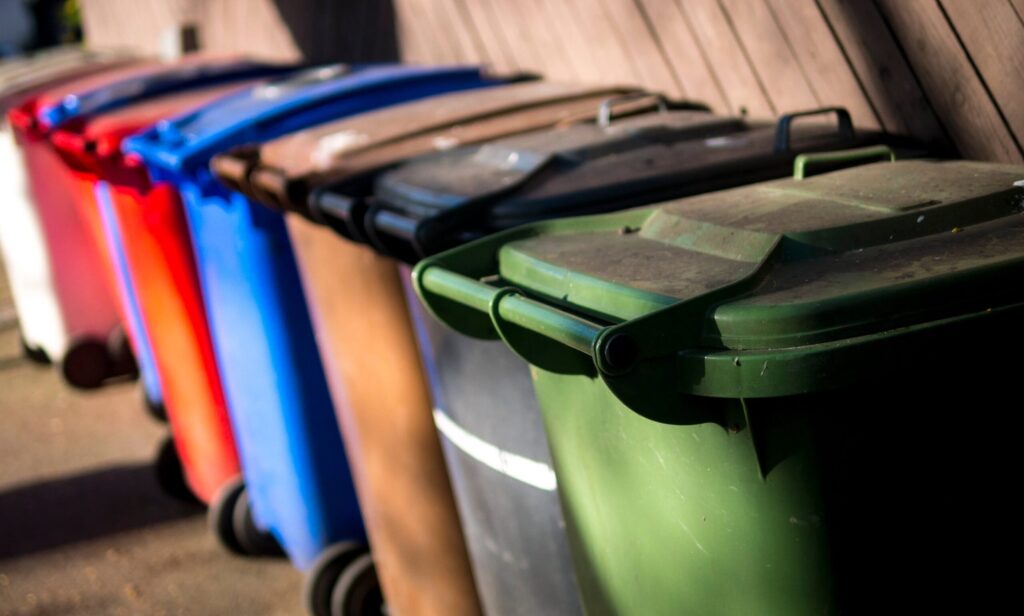
The journey begins with the collection of aggregates and soils from various sources. These materials can come from construction sites, garden clearances, and other landscaping projects. At Budget Skips, we collect a wide range of materials, including topsoil, crushed concrete, and sand. Proper collection methods are crucial to prevent contamination and ensure the quality and usability of the materials.
Transportation to Recycling Facilities
Once collected, the aggregates and soils are transported to our recycling facilities. This step involves careful logistics to handle the transportation of heavy materials efficiently. We use fuel-efficient vehicles to minimise our carbon footprint and ensure that the journey from the collection site to the recycling facility is as environmentally friendly as possible.
Sorting and Processing
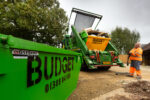
Upon arrival at the recycling facility, the materials undergo an initial sorting process. This involves separating different types of aggregates and soils to prepare them for further processing. Advanced technologies and equipment, such as screens, crushers, and washing systems, are used to ensure thorough sorting and processing. This step is crucial for producing high-quality recycled materials.
Recycling and Repurposing
Aggregates and Soils
The recovery of aggregates and soils was one of our first processes. With much innovation, we now recycle 100% of the aggregates and soils that enter our transfer station. From home garden renovations to demolition projects, our team is on hand to advise the best way for you to manage your materials.
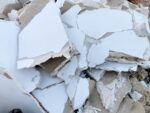
Aggregates are recycled by crushing and screening the collected materials to produce recycled aggregates. These aggregates are then washed and graded to ensure they meet the required quality standards. Recycled aggregates can be used in various construction applications, such as road base and concrete production.
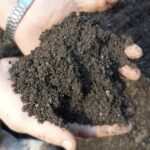
Recycling soils involves conditioning and treating the collected soil to remove contaminants and improve its quality. The soil is screened to ensure consistency and remove any unwanted materials. Treated soils can be repurposed for landscaping, gardening, and agricultural use, providing a sustainable alternative to new soil.
Quality Assurance and Standards
Quality control is essential to ensure that recycled materials meet the necessary standards. At Budget Skips, we adhere to strict quality assurance processes and obtain relevant certifications to guarantee the high quality of our recycled aggregates and soils. This commitment to quality ensures that our products are reliable and safe for various applications.
Our Recycling Centre
Through significant investment and design, we have developed our 9.5-acre site in Worcestershire to deliver a total waste management solution. Continuing to innovate and find new processes, we operate one of the largest facilities in our area. Over the past 23 years, we have continually expanded and improved our operations, and we are constantly investing in a greener future. Our facilities are self-sufficient in electricity and water, underscoring our commitment to sustainability.
The Product Journey
Via conveyor belts, screening, and washing systems, all materials are processed on-site here in Worcestershire. Once processed, the recycled aggregates and soils are supplied to local wholesalers as well as domestic and construction customers. From quantities as small as 1 tonne to as large as 1,000 tonnes, we offer a comprehensive service, delivering the product back out across the Midlands. This ensures that the recycled materials are put to good use in various projects, supporting local economies and promoting sustainable practices.
Environmental and Economic Benefits
Recycling aggregates and soils offers significant environmental and economic benefits. By reducing landfill usage and conserving natural resources, we minimise the environmental impact of waste disposal. The use of recycled materials also leads to cost savings for construction projects and supports the creation of green jobs, benefiting the local economy.
Future of Aggregates and Soils Recycling
The future of aggregates and soils recycling looks promising, with ongoing innovations and advancements in recycling technologies. Government policies and regulations are increasingly promoting recycling and the use of recycled materials. Individuals and businesses can contribute to this effort by supporting companies that prioritise sustainability and encouraging the use of recycled materials in their projects.
The journey of aggregates and soils from collection to recycling is a crucial part of sustainable waste management. By understanding this process and supporting recycling efforts, we can contribute to a more sustainable future. For expert advice and reliable recycling services, contact Budget Skips. Visit our website or call us today for a quote.
For more information or to book a skip, visit Budget Skips or call us at 01386 841181. Follow us on Facebook, Instagram and LinkedIn for updates and tips on efficient waste management.