
Understanding Plastic Recycling in the UK: What Happens to Your Waste?
Plastic recycling is one of the most widely discussed parts of waste management in the UK, yet it is also one of the least understood. Most households and businesses know that plastic should be recycled where possible, but fewer people understand what happens after that plastic leaves a bin, skip, or collection point. In reality, recycling plastic involves several stages, from collection and sorting to processing and manufacturing. The quality of that process depends heavily on how waste is handled at the beginning.
Plastic remains one of the most common waste materials produced across homes, offices, retail sites, warehouses, and construction projects. Packaging, containers, protective wrapping, piping, insulation materials, and disposable items all contribute to large volumes of plastic waste every year. Managing this waste properly is important not only for environmental reasons, but also because landfill costs, disposal regulations, and recycling expectations continue to increase across the UK.
Why plastic recycling matters
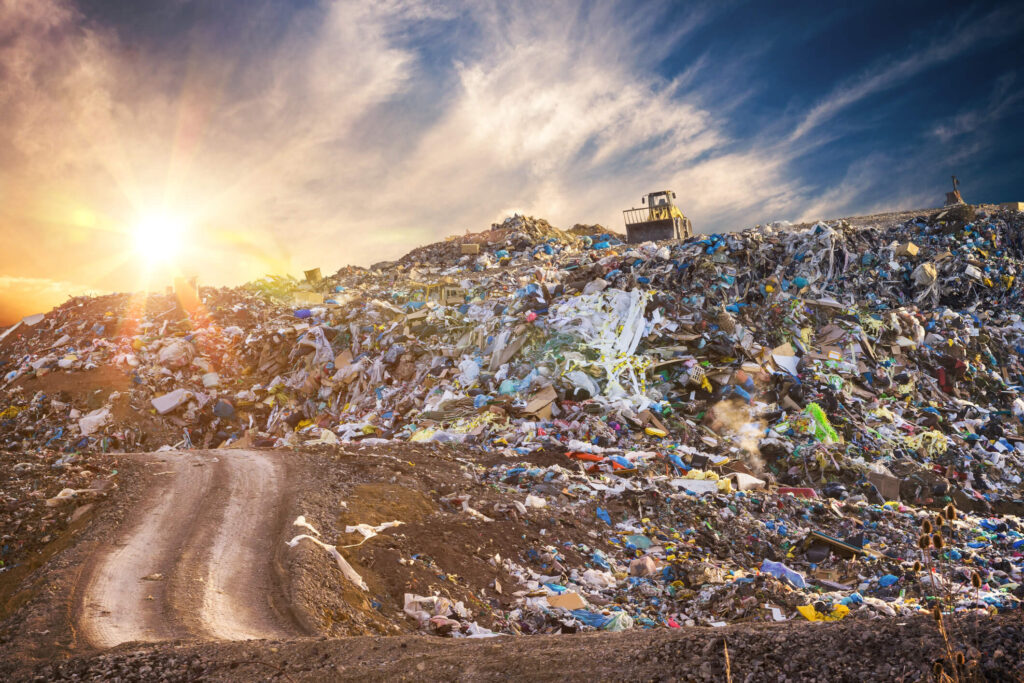
Plastic waste presents long-term environmental challenges because many plastics take hundreds of years to break down naturally. If plastic is sent to landfill unnecessarily, valuable material is lost and additional pressure is placed on disposal infrastructure. Recycling allows some of that material to stay in circulation for longer, reducing the need for new raw plastic production and lowering overall waste volumes.
This is particularly important in the UK, where businesses and local authorities are under increasing pressure to improve recycling rates and reduce contamination in waste streams. Recycling alone does not solve every issue associated with plastic use, but it remains one of the most practical ways to reduce unnecessary disposal and recover value from materials already in circulation.
For households and organisations looking to improve waste handling, properly managed recycling services play an important role in ensuring recyclable materials are directed into the correct recovery streams rather than treated as general waste.
What happens after plastic is collected
Once plastic waste is collected from homes, businesses, skips, or commercial sites, it is usually transported to a waste transfer or recycling facility. This stage is important because collected waste rarely arrives perfectly sorted. Mixed loads often contain different plastic types alongside cardboard, metals, general waste, or contaminated items.
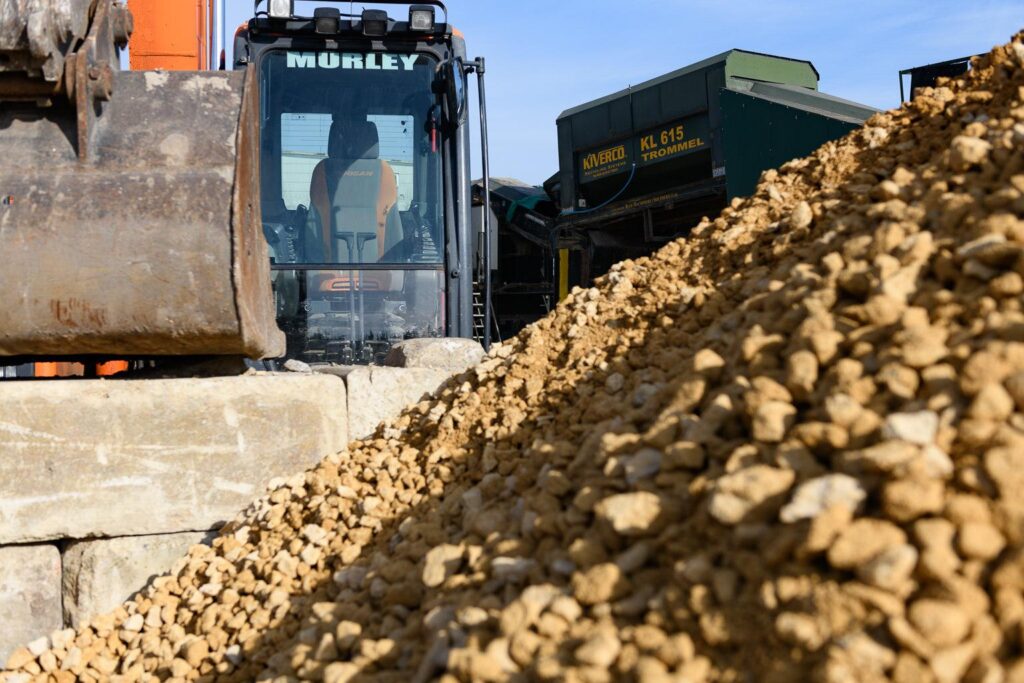
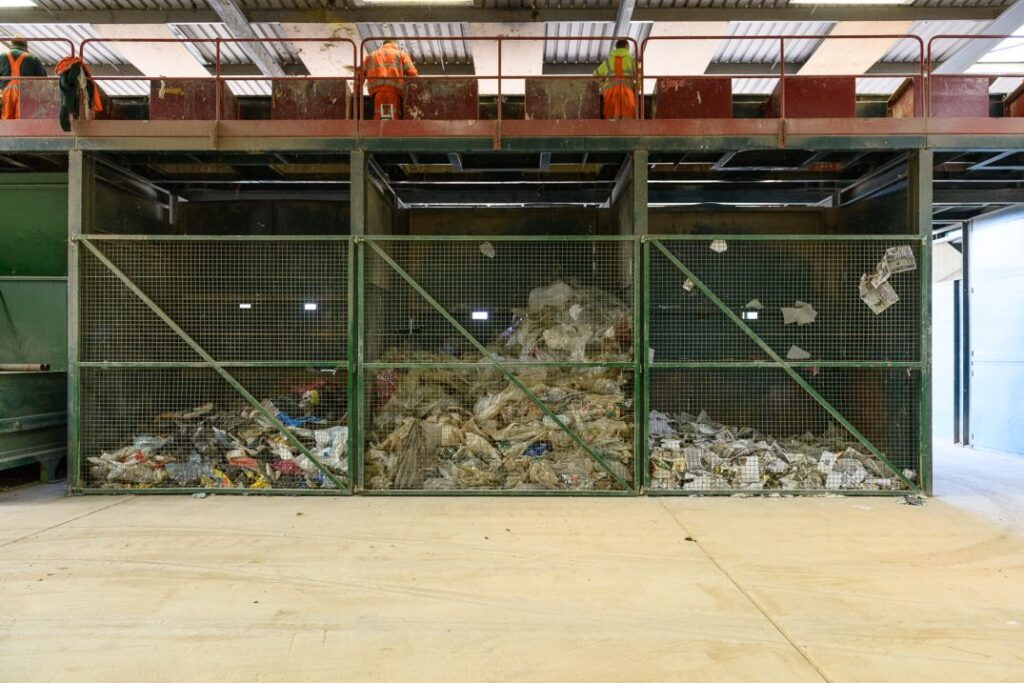
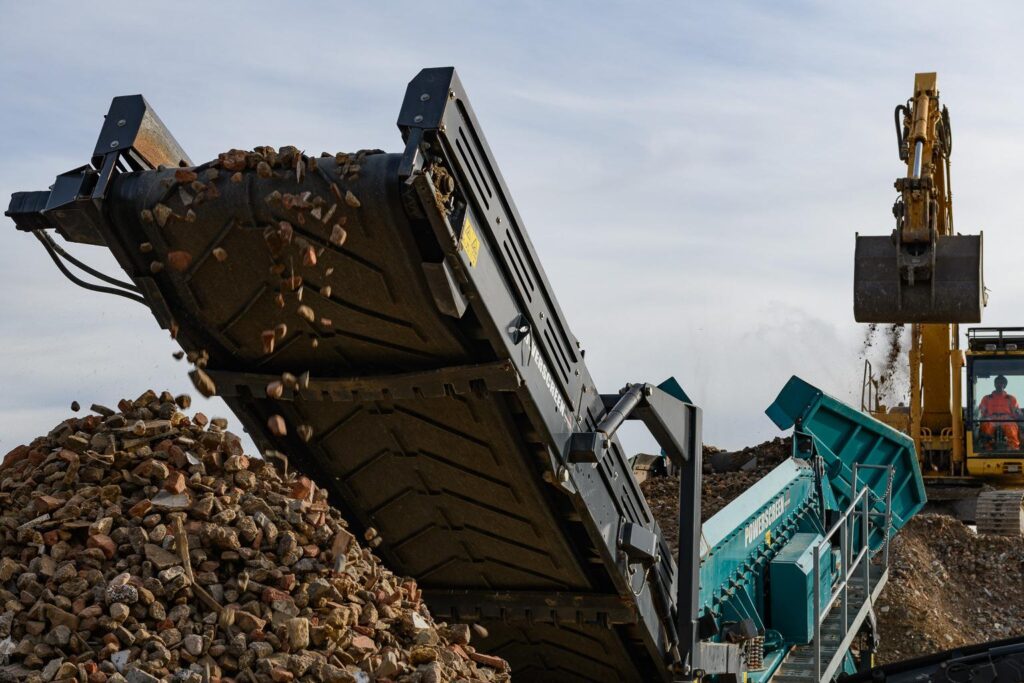
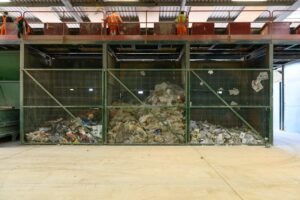
At a transfer facility, waste is checked, weighed, and separated before being moved further through the recycling chain. Materials may pass through conveyor systems, manual sorting stages, magnets, screening equipment, and optical sorting technology designed to identify different types of plastics.
Facilities such as a waste transfer centre help improve recycling outcomes by separating recyclable materials from general waste before disposal is considered. Without this stage, much more potentially recyclable plastic would be lost to landfill or energy recovery.
Different plastics are treated differently
One of the main reasons plastic recycling can seem confusing is that not all plastics are the same. Different plastic polymers behave differently during processing and cannot always be recycled together. Some plastics are widely recyclable and commonly accepted through local collection systems, while others are more difficult or expensive to process.
Clear plastic bottles made from PET plastic are generally easier to recycle because there is a stable demand for the recovered material. Hard plastics such as HDPE containers are also commonly processed. However, soft films, heavily mixed plastics, laminated packaging, and certain black plastics can be more difficult to separate and recycle economically.
This means that contamination becomes a major issue. If non-recyclable plastics are mixed with recyclable materials, entire loads can become harder to process efficiently. In some cases, contamination levels may be high enough for materials to be rejected altogether.
Why contamination causes problems
Contamination is one of the biggest challenges facing recycling systems in the UK. Plastic that contains food residue, liquids, chemicals, or mixed materials can disrupt recycling processes and reduce the quality of recovered material. For example, greasy food containers, mixed packaging, or plastic combined with other materials can create complications during sorting and processing.
Contamination increases handling costs because facilities must spend more time separating unusable materials from recyclable streams. It can also reduce the value of recovered plastic, making recycling less commercially viable.
For businesses producing large volumes of packaging or operational waste, this becomes especially important. Better separation at source improves recycling quality and reduces the likelihood of recyclable loads being downgraded to general waste.
The role businesses play in plastic recycling
Commercial operations generate significant volumes of plastic waste every day. Warehouses, retailers, offices, manufacturers, and construction sites all use plastic in different ways, whether through packaging, storage materials, piping, protective wrapping, or disposable products.
Businesses that separate plastic waste properly often achieve better recycling rates and lower disposal costs. Mixed commercial waste is generally more expensive to process because it requires additional sorting and often contains contamination. Separating recyclable plastics at source reduces pressure on transfer facilities and increases the likelihood that materials can be recovered successfully.
This is why many organisations now review their waste systems more carefully as part of broader commercial waste management planning. Recycling performance increasingly affects operational costs, environmental reporting, and compliance expectations.
Why waste audits improve recycling performance
Many businesses are unaware of how much recyclable material they throw away until a waste audit is carried out. Waste audits help identify what materials are being produced, where contamination occurs, and how waste streams can be separated more effectively.
For example, a business may discover that a large percentage of its general waste consists of recyclable plastic packaging. Once identified, collection systems can be adjusted to separate those materials more efficiently. This reduces mixed waste volumes and improves recovery rates.
Using structured waste audit services allows organisations to understand where waste costs are increasing unnecessarily and where recycling opportunities are being missed.
Common misunderstandings about plastic recycling
One of the most common misconceptions is that every plastic item placed into a recycling bin will automatically be recycled. In reality, recycling depends on several factors: the type of plastic, the condition of the material, contamination levels, local processing capabilities, and market demand for recycled products.
Another misunderstanding is that recycling removes the need to reduce plastic use altogether. Recycling helps recover material, but excessive use of unnecessary packaging or single-use plastics still creates avoidable waste and additional processing demands.
There is also confusion around mixed recycling systems. While modern facilities can sort materials more effectively than in the past, successful recycling still depends heavily on proper waste handling before collection. The cleaner and more consistent the waste stream, the better the final recycling outcome.
The future of plastic recycling in the UK
Plastic recycling in the UK is continuing to change as regulations, technology, and environmental expectations develop. New recycling rules, producer responsibility schemes, and increased pressure on businesses to reduce waste are encouraging better separation and recovery systems.
Waste infrastructure is also improving. Transfer stations, sorting facilities, and recycling operations are investing in better equipment capable of identifying and processing a wider range of materials. While challenges remain, particularly around difficult-to-recycle plastics, the overall direction is towards more recovery and less reliance on landfill.
For businesses and households alike, this means waste handling decisions made at the start of the process matter more than ever. Recycling systems work best when materials are separated properly, contamination is reduced, and waste is directed through facilities designed to recover as much value as possible.
Conclusion
Plastic recycling in the UK involves far more than placing items into a recycling bin. Once collected, waste passes through transfer stations, sorting systems, and processing facilities before it can become a reusable material again. The success of that process depends heavily on how waste is separated, handled, and managed from the beginning.
For both households and businesses, better waste practices help improve recycling rates, reduce landfill dependence, and support a more efficient waste-management system overall. Plastic recycling is not perfect, but when materials are handled properly, it remains an important part of reducing unnecessary waste and keeping valuable resources in circulation for longer.