
The Role of Waste Transfer Stations in Modern Recycling
Waste transfer stations are one of the most important parts of modern waste management, yet they are often overlooked. Most people think about waste when it is placed in a skip, loaded into a lorry, or collected from a site. What happens next is less visible, but it is where many of the most important recycling decisions are made. A waste transfer station acts as the link between collection and final processing, helping materials move into the correct recycling, recovery, or disposal stream instead of going straight to landfill.
For businesses, builders, and contractors, this matters for more than environmental reasons alone. A well-run transfer station can improve recycling rates, reduce unnecessary landfill use, support legal compliance, and make waste handling more efficient overall. In a market where disposal costs and environmental expectations continue to rise, transfer stations play a practical role in helping organisations manage waste more responsibly.
What a waste transfer station actually does
A waste transfer station is a licensed site where waste is received, checked, sorted, and prepared for onward transport. Rather than taking every load directly to landfill, materials are brought to a central location where they can be assessed and separated. This allows reusable and recyclable materials to be recovered before any remaining residual waste is sent to its final destination.
That process makes a clear difference. A mixed load from a commercial site might contain cardboard, timber, metals, plastics, rubble, green waste, and general waste all in one collection. If that load went straight to landfill, valuable material would be lost. At a transfer station, those materials can be identified and redirected. Metals may be sent for recycling, timber may be processed for reuse or recovery, inert waste may be separated out, and only the true residual waste is left for disposal.
Why transfer stations matter for recycling performance
The main benefit of a transfer station is simple: it gives waste a second chance to be sorted properly. On many sites, waste is generated quickly and under pressure. Builders clearing a site, offices undergoing refurbishment, or businesses managing day-to-day operations will not always be able to segregate every material perfectly at source. A transfer station provides an extra stage where this can be corrected.
This is especially important in commercial waste management, where mixed loads are common. Instead of treating all waste as general waste, a transfer station can improve recovery rates by separating materials that still have value. That supports a more practical recycling system, particularly for projects where speed and convenience matter just as much as sustainability. Businesses looking for broader commercial waste management support often benefit from working with providers that have this kind of infrastructure in place.
Reducing landfill dependence
One of the strongest arguments for using transfer stations is that they reduce reliance on landfill. Landfill remains one of the least desirable outcomes in the waste hierarchy because it wastes recoverable materials and creates long-term environmental costs. As landfill charges rise, the financial case for diverting waste has become stronger as well.
A transfer station helps by filtering out recyclable and recoverable materials before disposal is considered. That means less waste goes to landfill and more is directed into productive use. For customers, this can support both cost control and environmental performance. For the wider waste sector, it helps move operations away from a disposal-led model and towards one based on recovery and recycling.
Supporting businesses with compliance and documentation
Waste transfer stations also play an important compliance role. Commercial waste producers need confidence that their waste is being handled legally and correctly. A licensed transfer station provides a controlled environment where waste can be weighed, checked, categorised, and recorded. That process supports traceability and helps ensure waste transfer notes and related documentation are accurate.
This matters for businesses that need a clear audit trail, especially in sectors such as construction, retail, manufacturing, facilities management, and property maintenance. If waste is tipped or collected without proper controls, the producer may still face risk if something goes wrong later. A compliant transfer station reduces that uncertainty by making the route from collection to processing far more transparent.
Saving time on busy commercial jobs
Waste transfer stations are not only about recycling performance; they also help save time. On busy projects, waiting for multiple collections or making repeated trips to different disposal points can slow operations down. A transfer station offers one place where different waste streams can be delivered and dealt with efficiently.
That is why tipping facilities are especially useful for contractors, landscapers, site teams, and operators managing several jobs in one day. Instead of leaving waste piled up on site or losing time on disposal logistics, they can use a dedicated facility designed to keep vehicles moving. A local site tipping and waste transfer centre can therefore support both operational efficiency and responsible waste handling at the same time.
Handling a wider range of materials
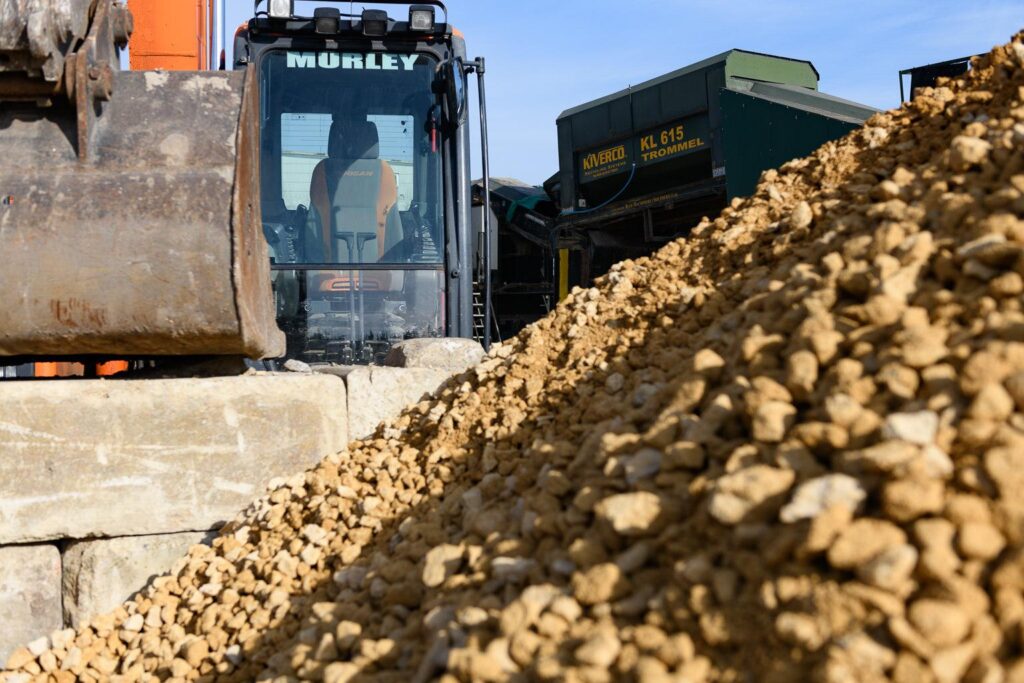
Another key advantage is flexibility. Waste transfer stations are built to receive a wide range of materials, which makes them particularly valuable for mixed commercial and construction waste. Loads can include timber, cardboard, metal, soil, rubble, green waste, plastics, and more. Because these materials are not all treated the same way, a central sorting point is essential.
Without that kind of sorting stage, too much potentially recyclable waste would end up being treated as general waste. By contrast, a transfer station allows materials to be grouped according to the right downstream route. This is more efficient than expecting every customer to know every technical rule in advance, and it helps increase recovery rates across the board.
The link between transfer stations and the circular economy
If recycling is going to support a circular economy, materials need to stay in use for as long as possible. Waste transfer stations contribute to that goal by helping useful materials stay in circulation rather than being lost. The more accurately waste is sorted, the more likely it is that materials can be reused, reprocessed, or recovered into new products or applications.
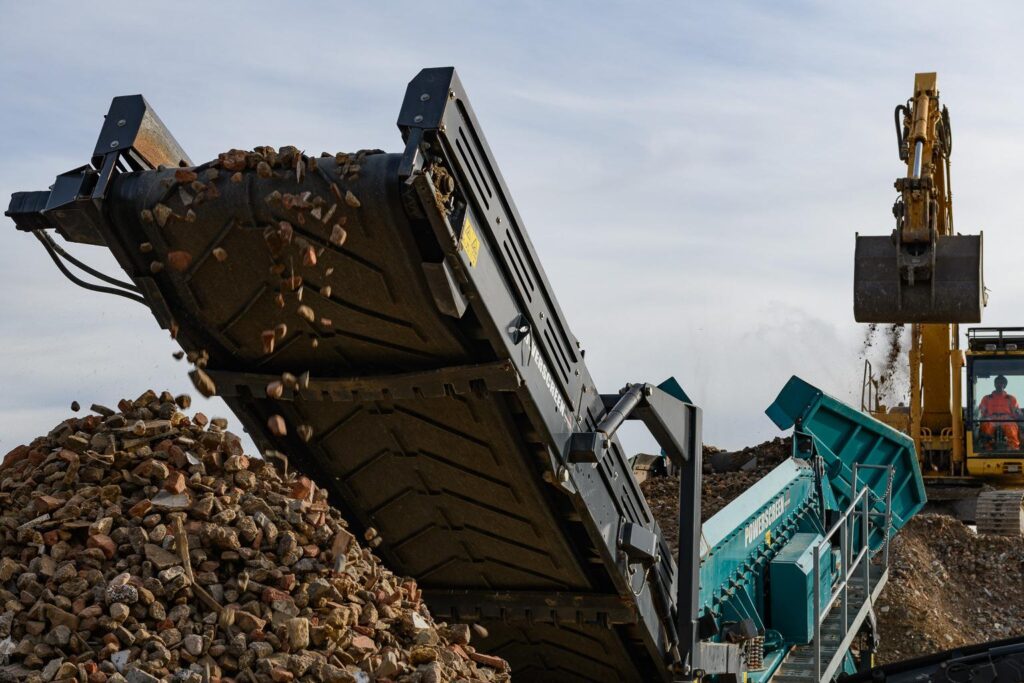
This is particularly relevant for construction and demolition waste, where materials such as metal, wood, and aggregates often still have practical value after collection. A transfer station creates the conditions for those materials to be identified and redirected. In that sense, it does more than simply receive waste; it becomes part of the material recovery chain.
Why the quality of the facility matters
Not all waste handling infrastructure performs to the same standard. The effectiveness of a transfer station depends on how it is managed, what sorting systems are in place, how waste is checked, and whether the site is set up to deal with different vehicle types and material flows safely. A well-run facility should combine capacity, clear traffic management, strong safety controls, and a process that keeps loads moving without cutting corners.
That is why businesses should look beyond simple collection alone when choosing a waste partner. The service behind the skip or the collection matters just as much as the skip itself. Providers that combine collection, sorting, recycling, and reporting are often in a stronger position to help customers reduce waste costs and improve recycling outcomes.
What this means for businesses using skip hire
For customers hiring skips, the role of the transfer station begins the moment waste leaves site. Once collected, that material still needs to be sorted and directed appropriately. This is one reason why choosing the right provider matters. A skip is only part of the service. The real value comes from what happens after collection, including where the waste goes, how it is handled, and how much of it is recovered.
Businesses using commercial skip hire should therefore think about the full chain, not just the delivery and collection stage. A provider with a strong transfer and recycling setup can help make skip hire more cost-effective, more compliant, and more sustainable.
Waste transfer stations are central to modern recycling because they turn collection into recovery. They help sort mixed loads, improve recycling rates, reduce landfill use, support compliance, and keep commercial waste operations moving. In practical terms, they are where better waste decisions happen.
As waste costs rise and environmental expectations continue to tighten, that role will only become more important. For businesses, contractors, and organisations that want waste managed properly from start to finish, the transfer station is not a background detail. It is one of the main reasons modern waste management can work more effectively.