
Commercial Waste Disposal Made Easy: Skip Hire and Tailored Solutions for Your Business
Introduction: Simplifying Commercial Waste Management for UK Businesses
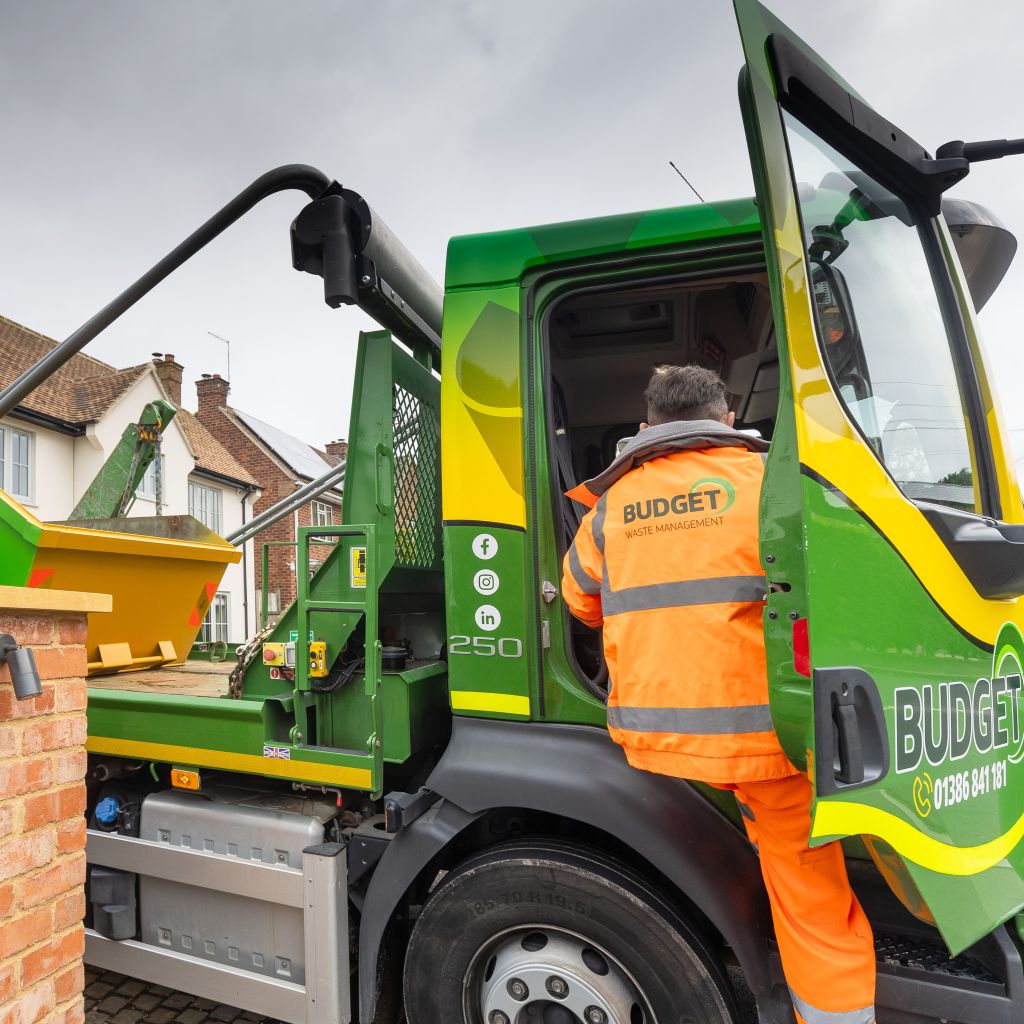
In today’s fast-paced business world, efficient waste management is more important than ever. Whether you’re a construction company, office-based business, or retail store, handling waste properly is essential for compliance, cost control, and sustainability. Budget Skips provides tailored solutions that make commercial waste disposal simple, reliable, and eco-friendly.
Customised Waste Disposal Services for Every Business
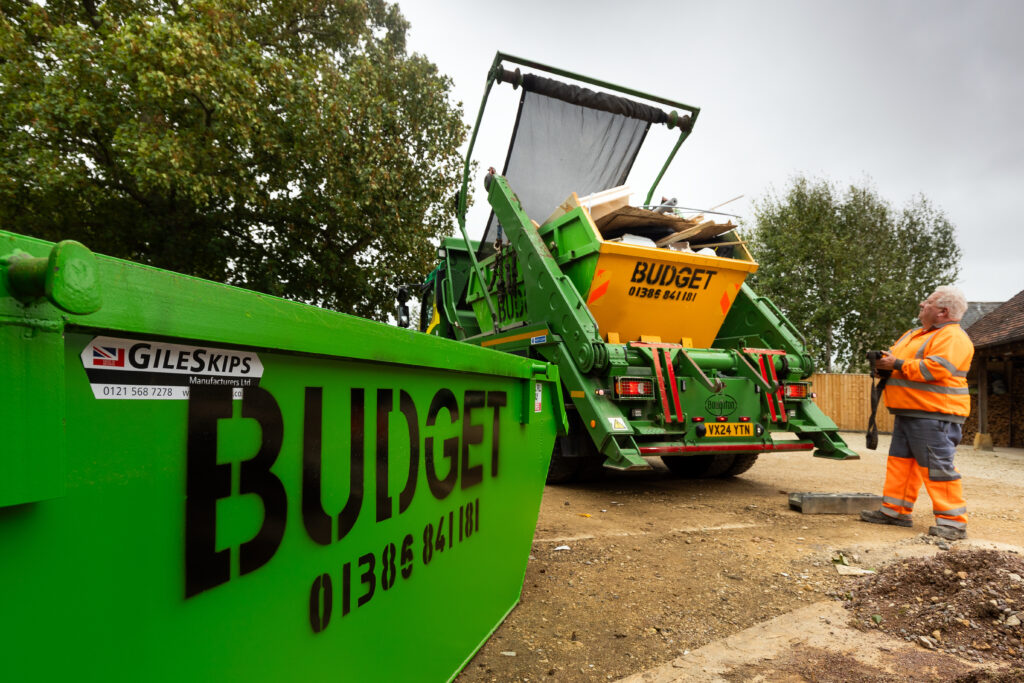
Budget Skips offers a wide range of services tailored to meet the specific needs of businesses. From construction sites to corporate offices, they provide a variety of skip sizes and options to handle waste efficiently.
- Skip Sizes: Choose from 2-yard mini skips to 40-yard roll-on roll-off skips, accommodating all project sizes.
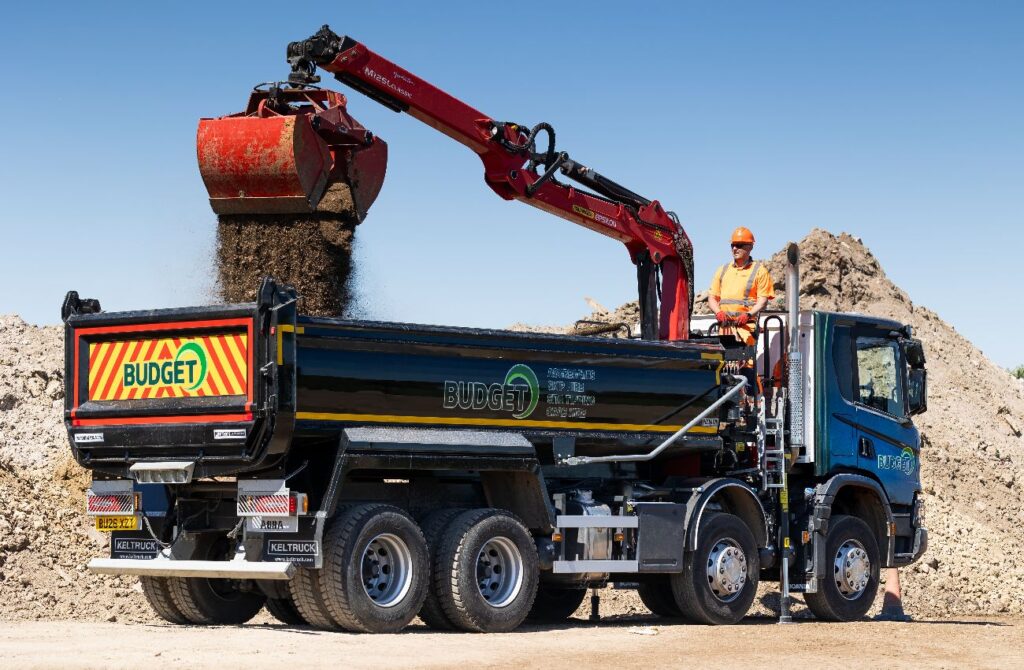
- Crane-Liftable Skips: Ideal for construction sites, these skips can be easily manoeuvred with cranes, reducing downtime and improving site efficiency.
- Flexible Hire Options: Whether you need a short-term skip for a quick project or long-term hire for ongoing waste management, Budget Skips offers flexible collection and delivery schedules.
What Types of Commercial Waste Can Be Disposed of?
Businesses generate a wide variety of waste, and skip hire is one of the most effective ways to manage it. Here’s what you can and cannot dispose of in a commercial skip.
Construction and Demolition Waste
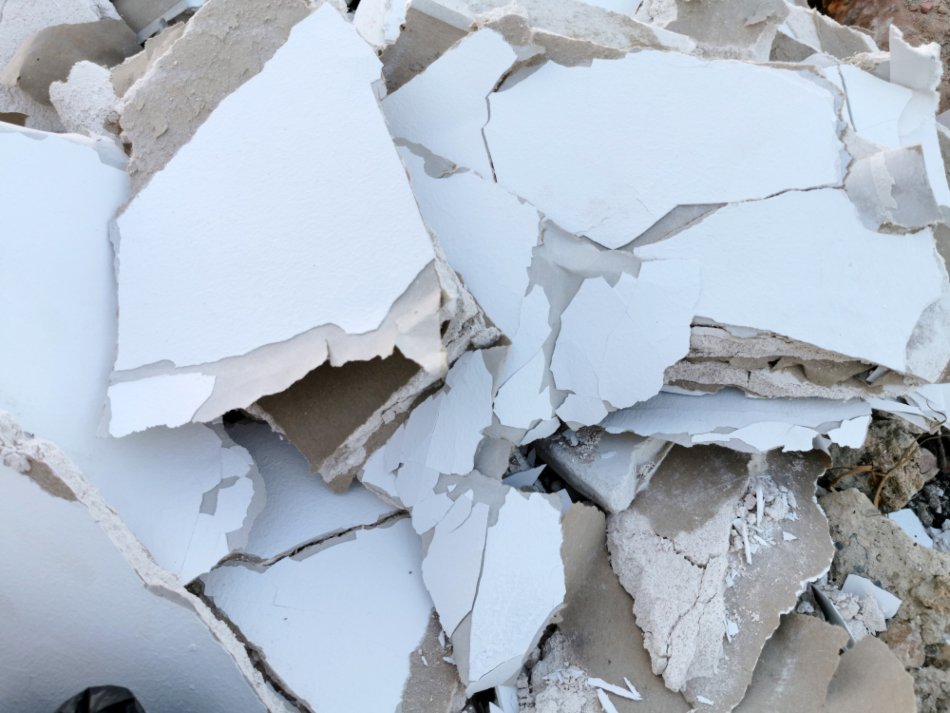
Materials like rubble, bricks, metals, timber, and concrete are commonly accepted in commercial skips.
Office and Retail Waste
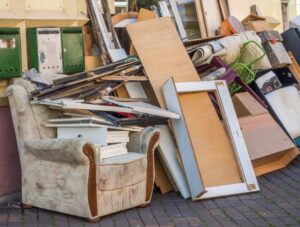
Waste from renovations or clear-outs, such as packaging materials, old furniture, and general office waste, can be easily disposed of using Budget Skips.
Prohibited Materials
Certain materials require special handling and cannot be placed in standard skips due to safety and legal restrictions. These may include:
- Hazardous Materials: Items such as asbestos, chemicals, and paint should be disposed of through specialised services.
- Electrical Equipment (WEEE items): Devices like fridges, televisions, and other electronics may be subject to specific disposal regulations. Many skip hire companies prohibit these items due to WEEE (Waste Electrical and Electronic Equipment) regulations. In some cases, you might be able to dispose of them through specialised services or incur an extra fee for proper handling. Always check with your skip hire provider to confirm whether these items are accepted or need alternative disposal methods.
- Medical and Biohazard Waste: These materials require professional handling and must follow specific disposal guidelines.
For precise details on what can and cannot be disposed of in skips, it’s important to confirm directly with Budget Skips as disposal regulations can vary.
The Importance of Recycling and Sustainability in Commercial Waste
Effective commercial waste management isn’t just about disposal; it’s about responsible recycling.
- Commitment to Recycling: Budget Skips has a recycling rate of over 95%, which significantly reduces the environmental impact of waste. By partnering with businesses, they ensure that materials like metals, plastics, and aggregates are recycled wherever possible.
- Sustainable Practices for Businesses: By choosing a skip hire company that prioritises recycling, businesses can lower their carbon footprint, meet sustainability targets, and enhance their reputation.
Why Choose Budget Skips for Your Commercial Waste Disposal Needs?
There are several reasons why businesses across the UK trust Budget Skips for their waste management needs.
- Expert Consultation: Their team offers expert advice to help businesses choose the right skip size and service, ensuring cost-efficiency.
- Compliance with UK Waste Regulations: They provide guidance on permits and ensure that all waste is handled in compliance with UK regulations, preventing costly fines.
- Cost-Effective Solutions: Tailored services mean businesses only pay for what they need, reducing overall waste management costs while maintaining compliance.
Tips for Managing Commercial Waste Efficiently
Managing commercial waste effectively can save time, money, and resources. Here are some tips to maximise efficiency:
- Sort Waste Before Disposal: Sorting waste into recyclables and non-recyclables helps streamline the process and reduces disposal costs.
- Plan Ahead: Determine your project’s waste needs early. For large-scale projects, consider long-term skip hire to avoid multiple hires and higher costs.
FAQs about Commercial Waste Disposal
What Can I Put in a Commercial Skip?
Commercial skips can handle a wide range of waste, from rubble and metal to general business waste. However, hazardous materials and WEEE items are generally prohibited.
What Happens to My Waste After Collection?
After your waste is collected, Budget Skips takes it to a waste processing facility where recyclables are separated, and non-recyclable materials are handled responsibly, often diverted from landfills.
Do I Need a Permit for a Skip?
If the skip is placed on a public road, you may need a permit from the local council. Budget Skips can help businesses obtain the necessary permits and guide them through the process.