
What Is Mixed Recycling?
Mixed recycling is a single recycling bin where multiple recyclable materials are collected together. In most business settings this includes cardboard, paper, plastic bottles and containers, and cans. It is sometimes referred to as dry mixed recycling.
The main reason mixed recycling is popular is simple: it is easy for staff to use. When recycling is convenient, it becomes part of the routine rather than something people need to think about.
What Is Segregated Recycling?
Segregated recycling is where different materials are separated at the point of disposal. Instead of one recycling bin, you may have a dedicated cardboard bin, a plastic bin, a metal bin, or separate containers depending on your waste streams.
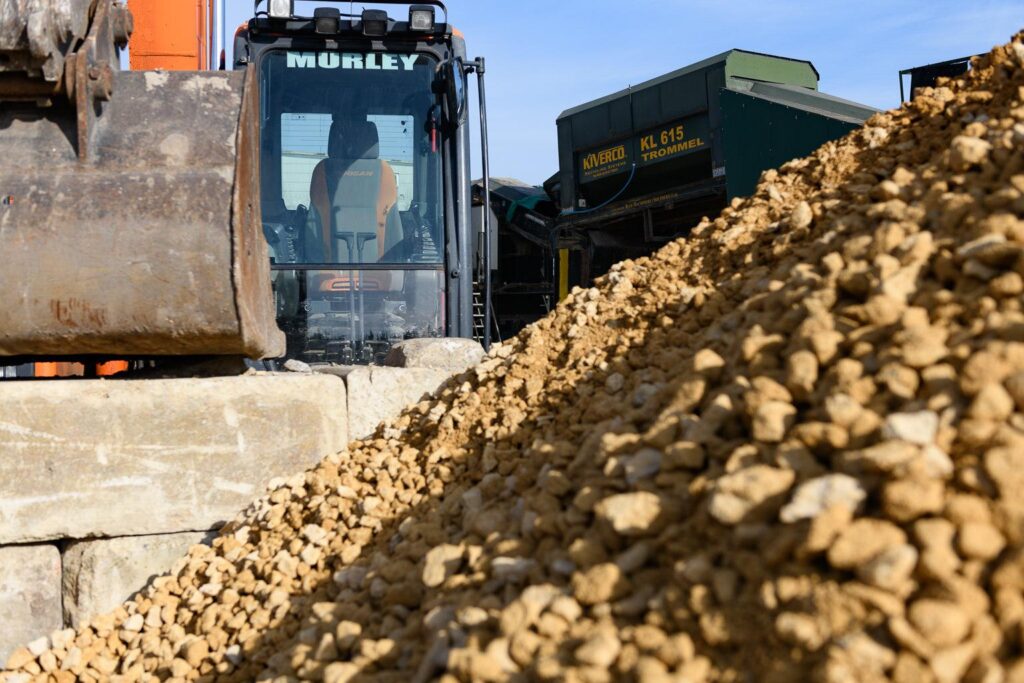
This approach is often used on larger sites, in warehouses, in manufacturing environments, and anywhere producing high volumes of a single recyclable material. It is also common on construction sites, where materials like timber, metal and rubble are easier to manage as separate streams.
The Real Difference: Convenience Versus Control
Mixed recycling prioritises convenience. Segregated recycling prioritises control. This matters because the biggest threat to recycling performance is not usually the collection itself. It is what happens before the waste reaches the bin.
If your system is too complicated, people will not follow it. If your system is too relaxed, contamination increases and recycling quality drops. The best recycling set-up is not the one that looks best on paper. It is the one your workplace can run consistently, even on busy days.
Contamination: The Problem That Decides Everything
Contamination is the number one reason recycling fails for businesses. It happens when non-recyclable items end up in recycling bins, or when recyclable items are spoiled by food residue or liquids.
Mixed recycling is more vulnerable to contamination because it is often treated as a “general waste alternative” when staff are rushing. One takeaway coffee cup, one bag of food waste, or one heavily soiled pizza box can quickly reduce the quality of the load.
Segregated recycling can reduce contamination, but it only works if staff understand the system and if the bin layout is logical. If a workplace has six different bins but no clear signage, contamination can actually increase because people guess.
What Works Best For Small Businesses?
For many small businesses, mixed recycling is the most realistic and effective option. Smaller sites often have limited storage space, fewer staff, and less time to manage multiple waste streams. In those situations, a simple mixed recycling bin combined with a properly sized general waste bin usually delivers the best results.
The key is making sure the recycling bin does not become a dumping ground. Clear signage and sensible bin placement are often more important than adding extra containers.
What Works Best For Larger Sites And High-Volume Waste?
Segregated recycling tends to perform best where there is a high volume of one specific material. The most common example is cardboard. Warehouses, retail back-of-house areas, and distribution sites often generate large quantities of clean cardboard, which is one of the easiest materials to recycle when kept separate.
In these environments, segregating just one stream can make a noticeable difference. Even if the rest of your recycling remains mixed, pulling out cardboard separately often improves recycling quality and reduces the amount of waste treated as general waste.
How To Decide Which System Is Right For Your Business
A simple way to decide is to look at your site and ask two questions. First, do you have the space to store multiple bins without causing operational problems? Second, can your team realistically follow a more detailed system every day, including during busy periods?
If the answer to either question is no, mixed recycling is usually the better choice. It is more forgiving, easier to maintain, and often leads to higher participation.
If the answer is yes, segregated recycling may deliver better results, especially if you produce high volumes of cardboard, metal, or other single-material waste streams.
Making Mixed Recycling Work Better In Practice
If mixed recycling is the right fit, the focus should be on reducing contamination. The most effective improvements are often small, such as moving bins to better locations, improving signage, and making sure general waste bins are not overflowing.
It also helps to treat recycling as part of housekeeping. If bins are full, messy or unclear, staff will stop using them properly. A clean, simple waste area tends to produce better recycling outcomes without needing constant intervention.
Making Segregated Recycling Work Better In Practice
If you choose segregation, the biggest mistake is trying to separate too many streams too quickly. In most workplaces, it is better to start with one or two high-volume streams and expand only if the system is working well.
For example, separating cardboard and keeping the rest as mixed recycling is often a practical middle ground. It improves recycling quality without turning waste disposal into a complicated process for staff.
Mixed And Segregated Recycling Can Be Combined
Many UK businesses assume they must choose one system or the other. In reality, a hybrid approach often works best. A common set-up is mixed recycling for everyday items, with a separate cardboard container for larger volumes.
This is especially effective for retail, hospitality, and warehouses where cardboard builds up quickly and is usually clean enough to recycle easily when kept separate.
Where Commercial Waste Services Fit In
The best recycling system is always the one matched to your waste output and your site layout. A tailored commercial waste management service can help ensure you have the right bin sizes, collection frequency and recycling streams for your business, rather than guessing.
For businesses dealing with bulk waste or project work, it may also be more practical to use commercial skip hire for certain waste types, especially where segregation is easier on-site than in wheelie bins.