
Managing Wood Waste Sustainably: Skip Hire and Tipping Solutions for UK Businesses
Wood waste is one of the most common by-products generated by construction sites, carpentry workshops, landscaping projects, and commercial refurbishments across the UK. If not managed correctly, it can lead to significant environmental and financial consequences. However, with the right systems in place—such as skip hire and site tipping—disposing of wood waste can be efficient, compliant, and sustainable.
Why Wood Waste Needs Special Attention
Wood waste includes untreated and treated timber, pallets, offcuts, and even sawdust. Some of it, especially treated wood, may contain chemicals that require compliant handling. When landfilled, wood can produce methane—a potent greenhouse gas—and miss opportunities for recycling into biomass, chipboard, or fuel. Therefore, businesses have a responsibility to sort and dispose of wood waste through licensed providers to support the UK’s waste reduction goals.
Skip Hire for Bulk Wood Waste Disposal
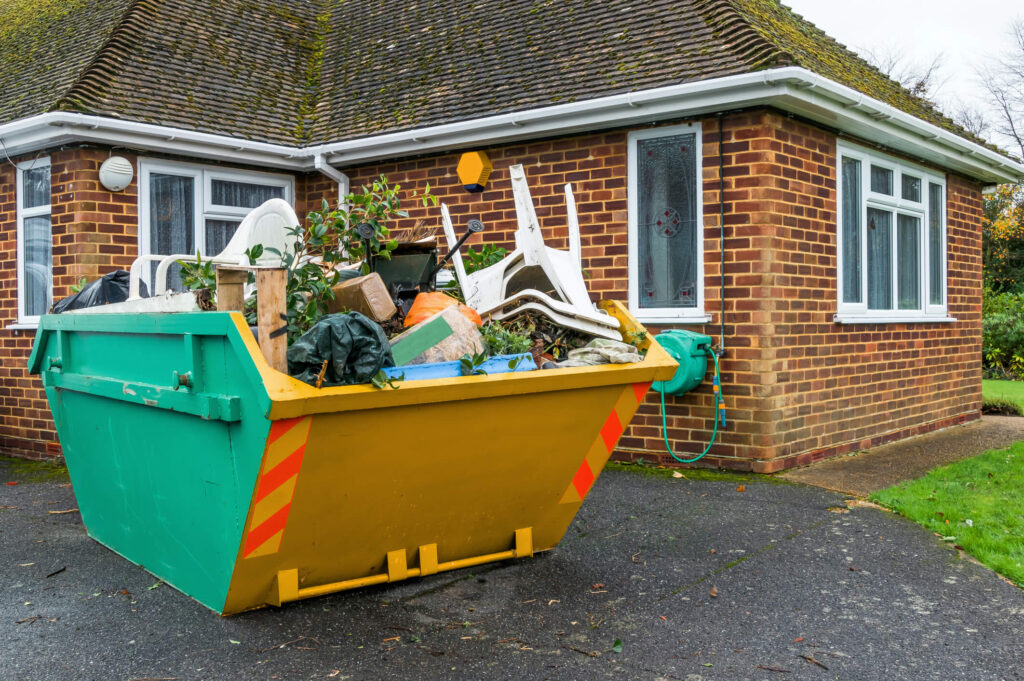
For businesses generating large volumes of timber waste, hiring a skip is one of the most convenient solutions. Skips come in various sizes and can be placed on-site for easy loading. Whether you’re stripping out fixtures, demolishing old decking, or discarding broken pallets, having the right skip helps streamline your operations. More importantly, it ensures your waste is transported to a facility equipped to sort and recycle it effectively.
Unsure which skip suits your needs? Many providers offer commercial skip hire advice to help you select the right size and avoid issues like overfilling or non-compliant items.
On-the-Go Waste Disposal: Use a Local Waste Transfer Station
For mobile contractors or businesses handling multiple small jobs, skip hire may not always be the most efficient option. That’s where local tipping facilities, such as waste transfer centres, come into play. These stations allow registered waste carriers to drop off sorted loads quickly, without disrupting their daily schedules.
At Budget Waste’s tipping site near the Vale and Cotswolds, the process is designed to be fast and compliant. After booking your slot—sometimes with just five minutes’ notice—you check in via the weighbridge. Signage directs you to the designated tipping area, where health and safety protocols apply, including mandatory PPE. A waste transfer note is issued within 24 hours to verify legal compliance and waste classification.
Preparing Your Waste for Collection or Tipping
Properly sorting and preparing your waste not only speeds up collection and tipping, but also ensures more materials are recycled. Wood waste, for example, includes materials from construction, demolition, and woodworking activities—such as timber offcuts, sawdust, broken pallets, and treated wood. This waste stream is highly recyclable and can be processed into biofuel, wood chip, or reclaimed timber. By recycling wood waste effectively, we reduce landfill dependency and contribute to a more circular, sustainable economy.
Understanding Your Legal Responsibilities
In the UK, businesses have a legal duty of care under the Environmental Protection Act 1990 to manage their waste responsibly. Wood waste is classified as controlled waste, meaning it must be handled and transferred by registered waste carriers only. Businesses must also maintain records—known as waste transfer notes—detailing the type, quantity, and disposal destination.
For more information, the government provides an overview of your waste management responsibilities. Failing to comply can result in significant fines and reputational damage.
Wood Waste Recycling Benefits
Recycling wood waste diverts valuable resources from landfill and reduces the demand for virgin timber. Waste wood can be chipped and turned into materials like particleboard, or used as biomass fuel in energy recovery facilities. These methods help lower carbon emissions and support the circular economy goals outlined in the UK’s Resources and Waste Strategy.
Final Thoughts
Managing wood waste doesn’t have to be a challenge. With the right skip hire service or access to a nearby waste transfer centre, businesses can streamline their waste handling while supporting compliance and sustainability goals. To learn more about what can and can’t be put in your skip, check out our guide on skip contents compliance.