
What Is Commercial Waste?
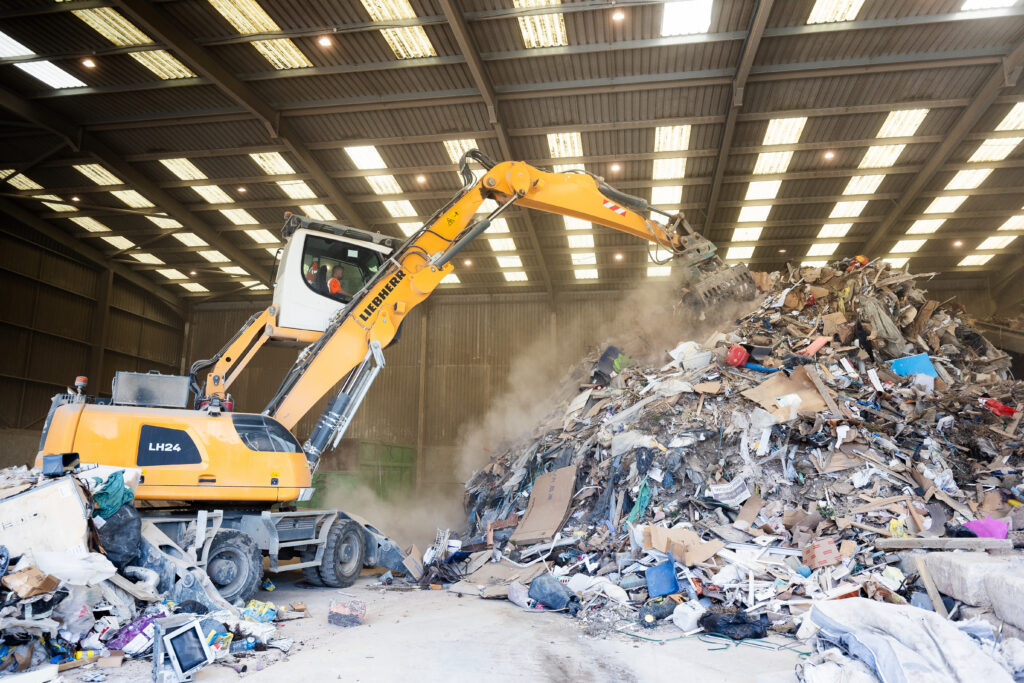
Commercial waste is waste generated from business activity. This includes anything disposed of from a workplace, regardless of whether it is recyclable or not. It can be produced in large volumes (such as packaging and stock waste), or in smaller volumes (such as office paper and food waste).
Commercial waste typically includes:
- General waste (non-recyclable waste from day-to-day operations)
- Dry mixed recycling (cardboard, plastics, cans, paper)
- Food waste (from kitchens, cafés, restaurants and hospitality)
- Glass waste (often from pubs, bars and restaurants)
- Packaging waste (especially from retail, warehouses and deliveries)
- Trade waste (waste produced by tradespeople, builders and contractors)
The exact mix depends on your industry, how many staff you have, and how your waste is managed on site.
What Is Household Waste?
Household waste is waste produced from domestic homes. It is collected by local councils as part of household waste services, which are funded through council tax. Household waste collections are designed for domestic volumes and typical domestic waste types.
Household waste includes things like:
- General household rubbish
- Household recycling
- Garden waste (where available)
- Small domestic items
Importantly, council household bins and council collections are not intended for business use, even if the waste looks similar.
The Key Difference: Who Produces It And Why
The simplest way to understand the difference is this: commercial waste is produced because of business activity, while household waste is produced from everyday living in a home.
This distinction matters because UK businesses have legal duties around how waste is stored, transferred and disposed of. A business cannot use domestic services as a substitute for a proper commercial waste collection agreement.
Commercial Waste Has Different Legal Responsibilities
One of the biggest differences is that businesses must follow waste regulations and keep appropriate documentation. This is often referred to as Duty of Care. In practical terms, businesses must take reasonable steps to ensure their waste is managed correctly.
This includes:
- Storing waste safely and securely so it cannot escape
- Using a registered waste carrier to collect and transport waste
- Keeping the correct paperwork for waste transfers
- Ensuring waste goes to an authorised facility
Households do not have the same responsibilities because councils handle collection and disposal as part of their service.
Commercial Waste Collections Are Arranged Separately
Household waste is collected by your local authority. Commercial waste is arranged through a business waste provider. This means businesses choose the type of service they need based on their waste volumes, waste types and collection frequency.
A commercial waste service can include:
- Wheelie bin collections (general waste and recycling)
- Food waste bins
- Glass bins
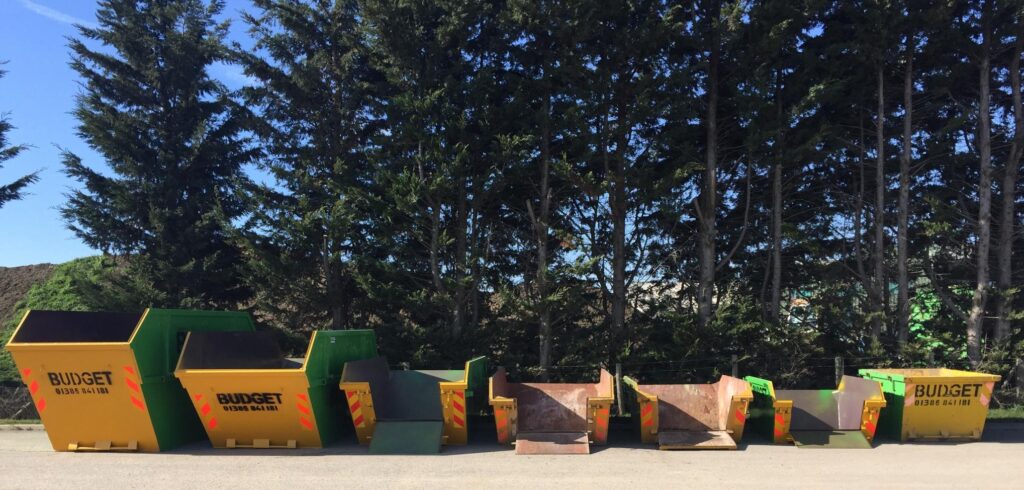
- Skips for larger volumes
- Site waste collections for projects and refurbishments
If you are reviewing your options, Budget Waste Management provides commercial waste management services designed for UK businesses, with practical solutions based on what you actually produce.
Commercial Waste Can Look Like Household Waste (But It Still Isn’t)
A common point of confusion is that some commercial waste looks identical to household waste. For example, a small office might produce paper, coffee cups and sandwich packaging. A small salon might produce general waste and cardboard packaging. A takeaway might produce food waste and mixed packaging.
Even when waste looks the same, the difference is still the source. If it comes from a business, it is commercial waste, and it must be collected and disposed of through a commercial arrangement.
Trade Waste: A Category Many Businesses Overlook
Trade waste is a type of commercial waste produced by tradespeople, contractors and building work. This includes waste from refurbishments, repairs, shopfitting and maintenance work.
Trade waste often includes heavier materials like timber, rubble, metal, and packaging. It is typically managed through skip hire or dedicated site collections rather than standard wheelie bin services.
For jobs that generate bulk waste, commercial skip hire is often the most practical option, particularly during strip-outs and fit-outs.
Why The Difference Matters For Businesses
Understanding whether your waste is commercial or household waste is not just a technical detail. It affects your costs, your legal responsibilities, and the reliability of your collections.
When businesses use the correct commercial waste services, they benefit from:
- More reliable collections suited to business volumes
- Better waste segregation and recycling outcomes
- Cleaner and safer waste storage areas
- Clear documentation for compliance
- A service designed around your operating hours and site needs
It also reduces the risk of missed collections, overflow, and the knock-on issues that can affect staff, customers and neighbouring premises.
How To Know If You Need A Commercial Waste Contract
If you run any form of business premises, the answer is almost always yes. If you produce waste through business activity, you should have a commercial waste collection arrangement in place.
Even small businesses that only generate a few bags per week usually benefit from a simple, right-sized waste contract. The key is choosing the correct bin size and collection frequency based on your actual waste output, rather than guessing.
Commercial waste and household waste may look similar, but they are managed very differently in the UK. Commercial waste is produced through business activity and comes with specific responsibilities, collection requirements and compliance duties.
If you are unsure whether your current set-up is correct, it is worth reviewing your waste arrangements. A small adjustment to your bin sizes, collection frequency or segregation can often reduce cost while improving cleanliness and reliability.