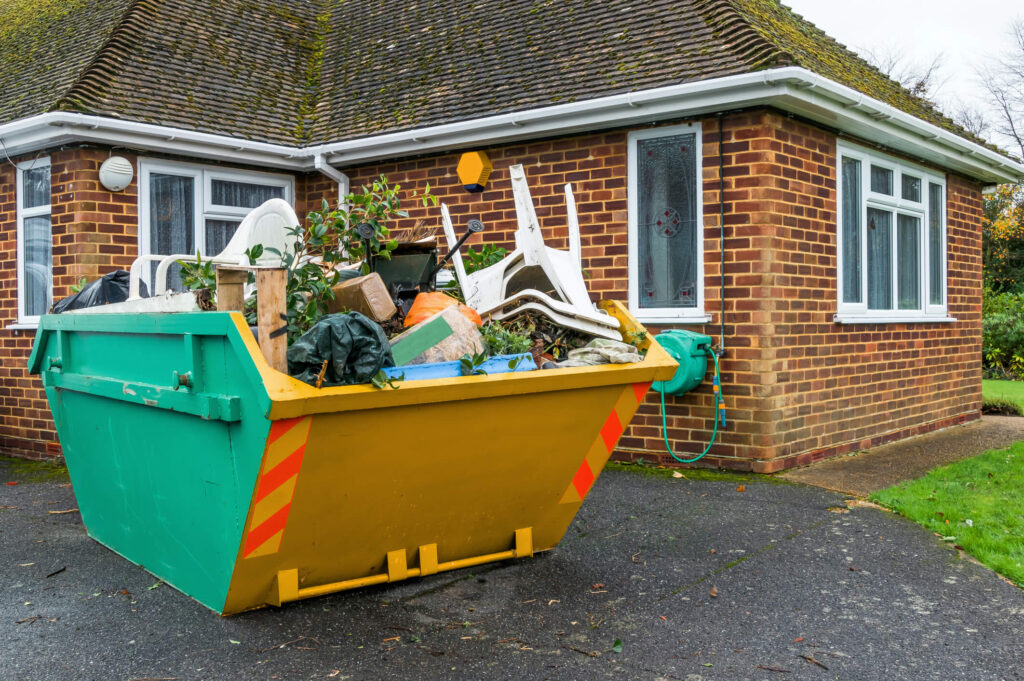

Choose the Right Commercial Skip for Your Business Waste
For any business, effective waste management is more than just clearing away rubbish — it’s about efficiency, compliance and cost control. Selecting the wrong skip can lead to frequent overflows, unnecessary collection charges or even regulatory issues. On the other hand, choosing the right skip from the outset can save you time and money, streamline your site operations and help meet environmental commitments. This guide walks you through everything you need to consider when choosing a commercial skip for your waste needs.
Understanding Your Waste Types
Before you order a skip, it’s important to understand what type of waste your business generates. Are you dealing with general demolition debris, mixed construction waste, packaging materials, or segregated recyclables like metal and timber? Some jobs may even produce hazardous or specialist waste that requires separate handling and cannot be placed in a standard skip.
For example, hazardous materials such as asbestos, chemicals, certain treated woods or electronic waste must be managed under stricter regulations. For those cases, you should refer to a specialist waste service rather than standard skip hire (see hazardous & specialist waste disposal). Understanding what you’re disposing of helps ensure compliance and avoid unexpected fees or legal complications.
Skip Sizes Explained — What Works for Different Jobs
Skips come in a range of sizes, and the size you pick should match the volume and type of waste your business produces. Here’s a rough guide to common skip sizes and their typical uses:
- Small skips (2–4 yard): Handy for small-scale business clear-ups, light renovation waste, packaging, or site tidying.
- Medium skips (6–8 yard): Ideal for office refurbishments, shop clear-outs or medium-sized construction projects with moderate waste output.
- Large skips (10–12 yard or more): Best for full-scale construction, demolition, heavy materials or bulky waste from industrial sites.
Using a commercial skip hire service with a wide range of skip sizes means you can match the container to your waste volume — avoiding both underfilled skips (wasted budget) and overflow issues (additional charges).
Site Access, Placement and Practical Considerations
Before ordering a skip, check that the delivery site offers adequate space and access. Narrow access roads, overhead cables, parked vehicles or limited turning space can all make skip delivery or collection difficult. If access is tight, you may need a smaller skip or to arrange a suitable drop-off point early to avoid delays.
Placement also matters. A skip positioned on private land is straightforward, but if you need to place it on the highway you may require a permit from the local authority. Ask your waste provider whether permit arrangements are included in the service. Additionally, inform your team where the skip should go, and ensure there is safe, clear access for loading while keeping the site safe for workers and visitors.
Short-Term Projects vs Long-Term Waste Needs
Every project is different. A one-off site clean-up or shop refit might require a single skip hire, while ongoing operations such as retail, manufacturing or construction could mean regular waste output requiring frequent collections. Understanding the nature of your project helps you choose the right service plan.
For long-term or large-scale projects, consider establishing a skip hire schedule or ongoing contract — this ensures continuity, avoids delays and usually qualifies you for reduced rates. For short-term tasks, a single skip hire may suffice, but choosing the right size and hire duration remains essential to avoid unnecessary expense or extra collections.
Cost, Compliance and Environmental Considerations
One of the main reasons to get skip selection right is cost. Over‑ordering skips or requiring multiple collections can quickly inflate your waste budget. Choosing the appropriately sized skip based on accurate waste estimates helps you stay cost‑efficient. In addition, ensuring proper waste segregation reduces recycling contamination and lowers disposal charges.
From a compliance standpoint, UK waste laws place obligations on businesses to manage their waste responsibly. Skips must be used correctly — and hazardous or excluded items must be handled via specialist services. A compliant skip hire provider will offer clear guidance on what can and cannot be disposed of in standard skips, protecting your business from fines or enforcement actions.
Expert Support and Flexible Services
Working with a reputable skip hire provider offers more than just container delivery. Experienced providers assist with skip size advice, delivery logistics and compliance guidance. For businesses without enough space for a skip, services such as “load‑and‑go” offer an alternative — waste is collected directly without the need for skip placement.
Moreover, when your provider offers a full range of services — from skip hire to recycling, waste sorting and hazardous waste disposal — you benefit from a unified waste‑management solution. This streamlines operations and ensures accountability from collection to final disposal.
Practical Checklist: Preparing for Skip Hire
To help your business get skip hire right, here is a simple checklist before ordering:
- Estimate the volume and type of waste you’ll produce (general, construction, mixed, hazardous?).
- Use skip size guidelines or ask your provider for help to pick the right skip.
- Check site access and ensure safe placement and loading space.
- Plan the hire period: short-term for one‑off jobs, longer or recurring for ongoing waste needs.
- Separate waste where possible (recyclables, wood, metal, etc.) to reduce cost and boost recycling rates.
- Avoid prohibited items — check with your provider before loading the skip.
- Document waste output if needed for compliance or auditing.
Smart Skip Selection Saves Time, Money and Hassle
Choosing the right commercial skip is a vital step in any business waste management strategy. By understanding your waste type and volume, selecting the correct skip size, ensuring proper site access, and working with a knowledgeable provider, you can avoid common pitfalls such as over‑ordering, frequent collections or compliance issues. Whether you’re managing a one‑off job or ongoing waste needs, intelligent skip hire supports operational efficiency, regulatory compliance and environmental responsibility.
Ready to simplify your waste management? Explore our full commercial skip hire service offering to check skip sizes, request a quote or arrange delivery that fits your schedule and business needs. For specialist waste, always consult our hazardous & specialist waste services team.