
Cut Costs and Waste: A Guide for Smarter Business Waste Management
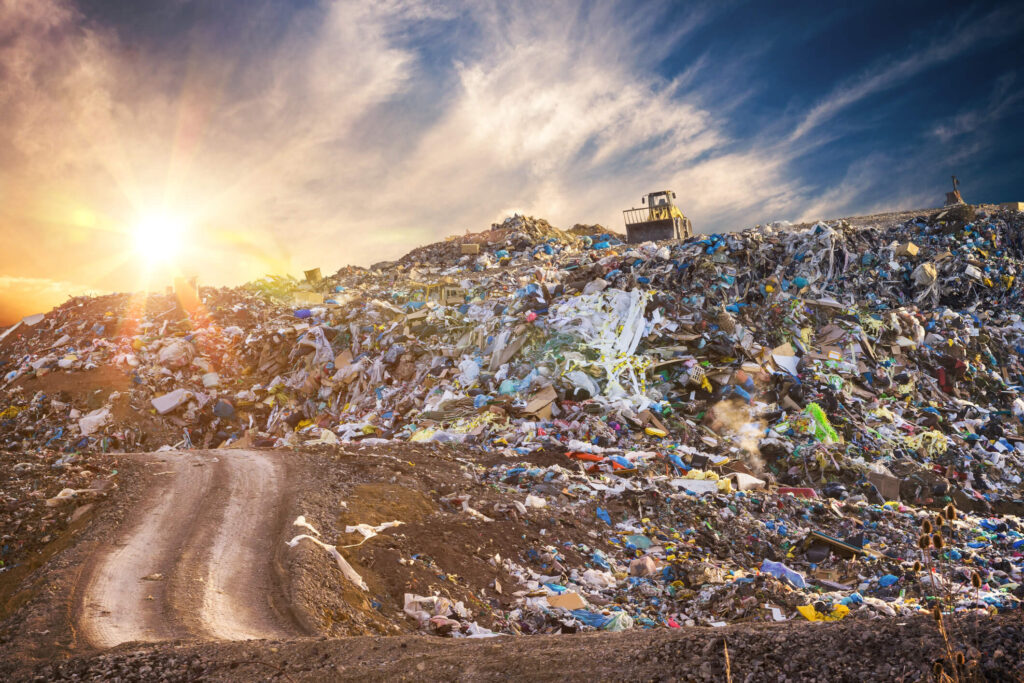
In today’s fast-paced commercial world, the average business generates a surprising amount of waste – from paper, packaging, and office materials to food scraps, outdated electronics, and general rubbish. According to UK government data, businesses and the public sector produce over 25% of the country’s total waste, contributing significantly to the UK’s overall carbon footprint. Every bin bag sent to landfill not only costs money but also releases harmful greenhouse gases, adding to climate change pressures.
Why Reducing Business Waste Matters
Reducing waste is no longer just a ‘nice-to-have’; it is a crucial element of responsible business practice. Here’s why:
Commercial Impact: Waste disposal is expensive. Landfill taxes, increasing disposal fees, and inefficient use of materials all eat into profits. Streamlining waste can mean real cost savings, improving your bottom line.
Environmental Responsibility: Waste sent to landfill decomposes and releases methane, a potent greenhouse gas. Recycling and reducing waste conserves resources, cuts emissions, and helps meet national and international sustainability targets.
Reputation & Compliance: Customers, clients, and partners increasingly look for businesses that demonstrate environmental responsibility. With new UK waste regulations (such as the Simpler Recycling rules now in effect), companies must comply with strict waste separation and recycling standards.
Steps Your Business Can Take to Optimise and Minimise Waste
Here’s a practical breakdown of how your business can get started or improve on its waste reduction journey:
1. Conduct a Waste Audit – Start by understanding where your waste comes from. Work with a professional waste management provider (like us!) to conduct a zero-obligation waste audit. Identify waste streams, measure how much is generated, and highlight areas for improvement.
2. Set Clear Waste Reduction Goals – Establish achievable targets – whether it is reducing general waste by 20% in a year, switching to 100% recycled office paper, or improving food waste recycling. Make sure your staff are aware of these goals and why they matter.
3. Improve Waste Segregation – Under the new workplace recycling rules, businesses must separate recyclables from general waste. Provide clearly labelled bins for paper, cardboard, plastics, metals, glass, and food waste. Ensure these are positioned conveniently to encourage use.
4. Reduce Single-Use Items – Cut down on single-use plastics, disposable coffee cups, and unnecessary packaging. Promote the use of reusable materials such as refillable bottles, washable crockery, and bulk dispensers.
5. Optimise Procurement – Review your supply chain. Choose suppliers with sustainable packaging, minimal waste, and circular practices. Buy in bulk to reduce packaging waste and prioritise durable, long-lasting materials.
6. Engage and Train Employees – Your team plays a vital role. Run awareness campaigns, provide training on recycling practices, and encourage staff to suggest waste-saving ideas. Empowering employees makes sustainability a shared goal.
Final Thoughts
Optimising and minimising waste in the workplace isn’t just about ticking a green box – it makes solid commercial sense and strengthens your environmental credentials. By taking clear, actionable steps, your business can save money, enhance its reputation, and contribute positively to a more sustainable future.
Let’s work together to make your business cleaner, greener, and more efficient!