
What Happens to Your Waste? Inside the Journey from Collection to Recycling
Out of Sight, Not Out of Mind
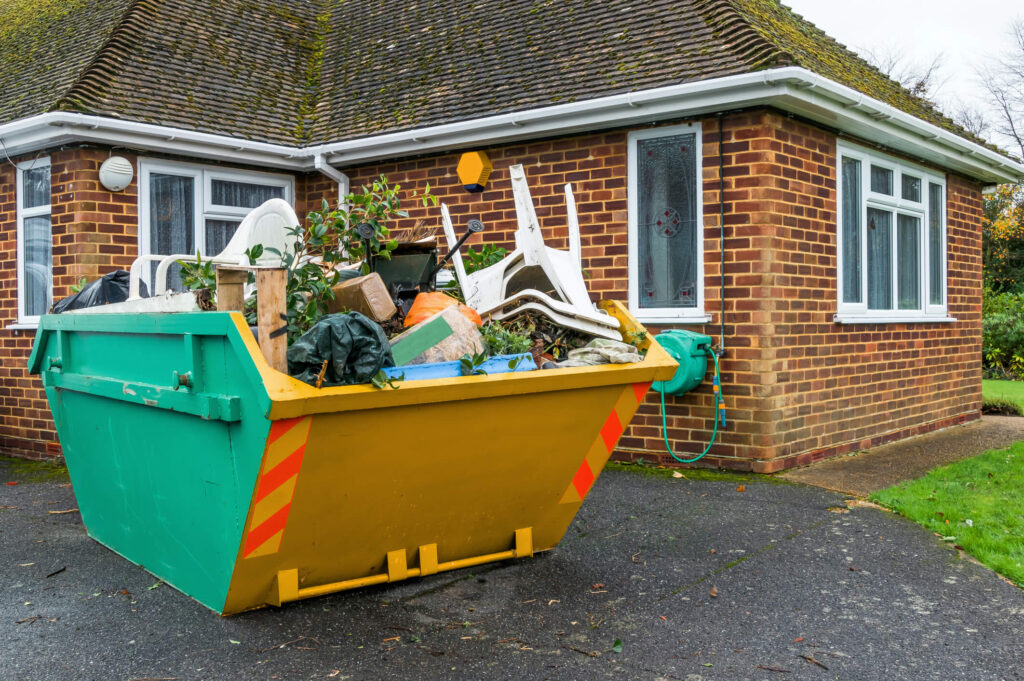
Most of us rarely consider what happens to our waste after it’s thrown away. Whether it’s a domestic skip full of renovation debris or commercial refuse from a busy worksite, the journey of waste is far from over after collection. In reality, the waste management process is a complex, multi-stage operation designed to minimise environmental impact, recover valuable materials, and meet regulatory standards. At Budget Waste, this process is fine-tuned for efficiency and sustainability every step of the way.
Step 1 – Collection and Transportation
The journey begins with collection. Whether you’ve hired a skip for a home clearance or scheduled a regular pickup for your business, the waste is loaded and transported by licensed operators. Vehicles are tracked and waste loads are weighed before arriving at the next stop: the waste transfer station. Proper handling at this stage helps prevent illegal dumping and ensures the chain of custody is maintained for legal compliance.
Step 2 – Arrival at the Waste Transfer Centre
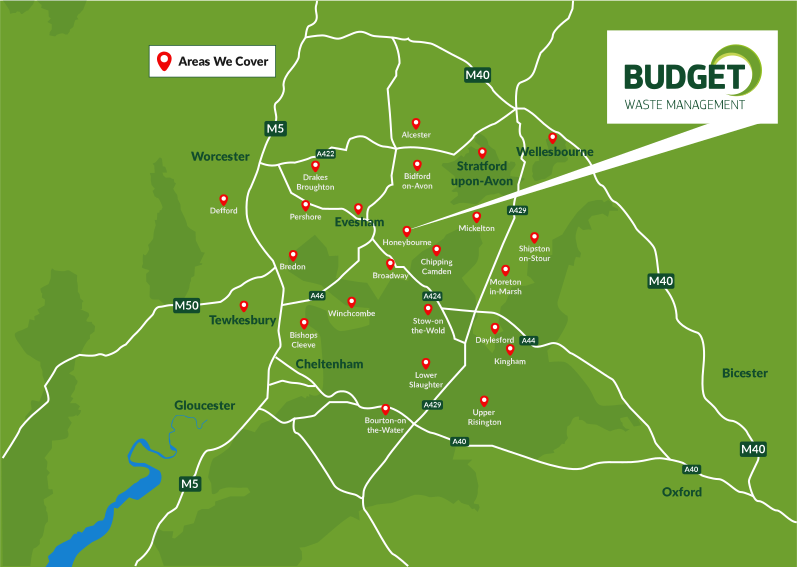
Once the waste reaches the transfer centre, such as our strategically located site near the Vale and Cotswolds, it goes through a registration process at the weighbridge. This step captures key data on the type and quantity of waste. The facility is designed for high-throughput tipping, with multiple entry points and compliance checks to keep the process fast and safe. Drivers are required to follow clear safety protocols and documentation is prepared to verify the waste’s origin and category.
Step 3 – Sorting and Segregation
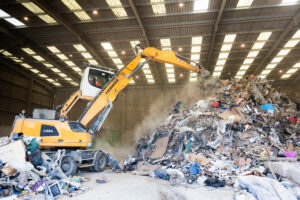
Next comes sorting—one of the most critical stages in the recycling journey. Waste is unloaded and carefully separated using a mix of manual labour and mechanical systems. Conveyor belts, magnetic separators, and screening tools help to divide materials into distinct categories: wood, paper, metal, plastic, rubble, and residual waste. At Budget Waste, this is done in a facility specifically built to handle a broad range of waste types efficiently and safely, supporting a streamlined path toward recycling or recovery.
Step 4 – Recycling and Recovery
Once separated, recyclable materials are processed for reuse. Metals are sent to smelters, plastics are reformed into pellets, and clean timber may be chipped for biofuel. Aggregates like concrete and stone are crushed and reused in construction. Thanks to a rigorous sorting process, over 96% of the waste we collect is diverted from landfill—a statistic that speaks to the effectiveness of our recycling and recovery strategies.
Step 5 – Residual Disposal
Not all waste can be recovered or recycled. A small proportion of the total load—known as residual waste—must be handled via landfill or energy recovery facilities. However, by this stage, most reusable content has already been extracted, and the amount going to landfill is minimised. This approach aligns with national goals to reduce landfill reliance and supports the UK’s broader waste hierarchy principles.
Why This Process Matters
The journey of waste is more than a logistical exercise—it’s central to the UK’s sustainability strategy. Responsible disposal prevents pollution, conserves resources, and helps mitigate climate change. For businesses, it also ensures compliance with laws surrounding waste carrier licences, transfer notes, and recycling obligations. As customers grow more eco-conscious, demonstrating sound waste practices is increasingly important for reputation and customer trust.
How You Can Help Improve the Process
As a business or household, you play a vital role in making waste management work. Sorting your waste before collection, avoiding contamination (like food in recycling bins), and understanding what can and cannot go in a skip will go a long way toward improving recycling outcomes. For companies, conducting a waste audit can identify areas for improvement and help align operations with upcoming waste separation regulations.
From Skip to Sustainability
The next time you dispose of waste, consider the journey it takes. Behind every skip collected is a network of infrastructure and expertise working to recover value and reduce environmental harm. From efficient transport to advanced sorting and reuse, Budget Waste ensures that your waste doesn’t just disappear—it’s managed with care, responsibility, and sustainability in mind.