
Mattress Disposal Made Simple — Here’s What You Need to Know
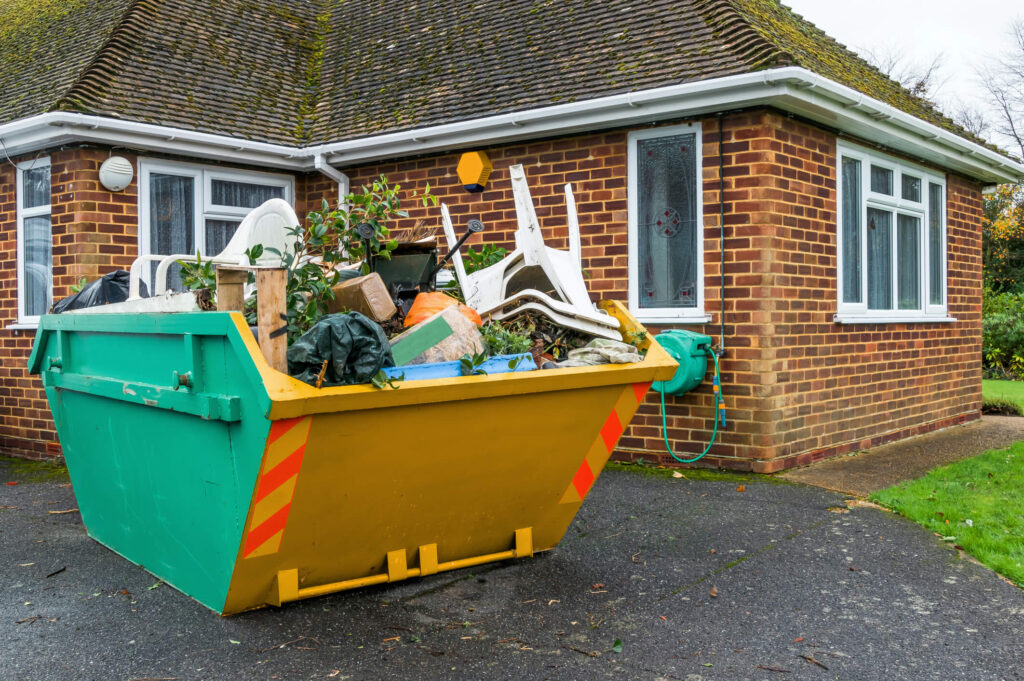
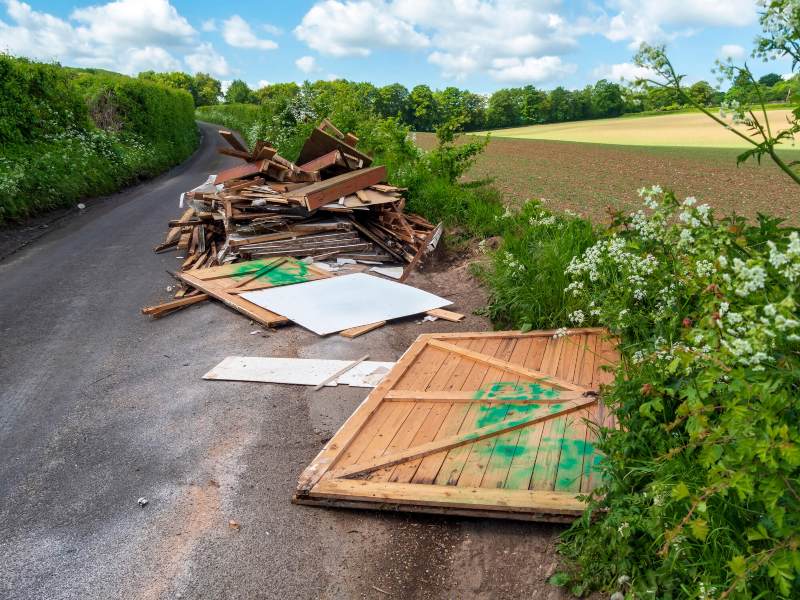
Getting rid of an old mattress sounds simple until you try it. It’s bulky, won’t fit in a normal bin, and most councils won’t take it with standard household collections. That’s why so many mattresses end up leaning against bins or dumped beside skips — which isn’t just unsightly, it’s illegal. The good news: you’ve got several responsible routes to choose from, and once you know how they work, disposal becomes straightforward.
How to choose the right route (in plain English)
Start with two questions: How quickly do you need it gone? and Can you transport it yourself? If you’ve got a van (or a friend with one) and some time, taking it to a household waste recycling centre is often the most economical option. If you want it handled for you, book a licensed collection. And if the mattress is nearly new, clean, and labelled for fire safety, donation may be possible — but be realistic, charities are strict for good reasons.
If you’re clearing more than a mattress, it can be smarter to plan disposal together rather than as a one-off. This guide to disposing of bulk waste explains how to combine items to save repeat trips and fees.
Option 1: Council bulky waste collection
Most local authorities offer a paid bulky waste collection that includes mattresses. It’s simple: you book a slot, place the item out at the agreed time, and they take it. The trade-off is timing — slots can be limited — and policies vary by area. If you go this route, store the mattress somewhere dry before the collection date; soaked mattresses are harder to handle and can be rejected.
Option 2: Take it to a recycling centre (HWRC)
If you can transport it, a household waste recycling centre is often the most economical route. Some sites will separate mattresses so the different materials can be recovered: steel springs for metal recycling, foam for underlay, textiles for insulation. Not every site does full dismantling, but the chances are better than leaving it out for a general waste lorry. If you’re curious where common materials end up, this explainer on the most commonly recycled materials is a useful primer.
Option 3: Licensed removal service
When you need it gone quickly — or stairs, parking, and schedules make DIY tricky — a professional collection is easiest. A licensed carrier will remove the mattress from your property and provide a waste transfer note so you’ve got proof it was handled properly. Many services prioritise recycling where facilities allow, and can coordinate collections with other bulky items so you only arrange it once.
Option 4: Donation and reuse (when it’s genuinely good)
A small number of charities and reuse schemes accept mattresses that are clean, stain-free, odour-free, pest-free, and still have the fire-safety label attached. If any of those boxes aren’t ticked, they won’t take it — and that’s fair; they’re protecting recipients and volunteers. If yours does pass the test, donation keeps it in use for longer and avoids processing altogether.
What actually happens after it’s collected?
Responsible disposal is not “throw it on a pile and hope”. In well-run systems, mattresses are dismantled: metal is magnetically separated and recycled, foam gets a second life in carpet underlay or similar products, wooden elements can be recovered, and fabrics may be down-cycled into industrial uses. The more we keep materials circulating, the closer we get to a genuine circular economy.
Preparation tips that make collection smoother
Keep the mattress dry; waterlogged items are heavier, messy, and sometimes refused. If you’re carrying it yourself, use a mattress bag or wrap to avoid tears and keep fibres contained. Clear the route through your home and, if possible, prop doors open on collection day. Suspect bed bugs? Tell the collector in advance — there are safe handling protocols, but surprise infestations slow everything down.
The legal bit (and why fly-tipping is a false economy)
Leaving a mattress on the pavement “for someone to take” is fly-tipping. Fines are common, and councils are increasingly proactive because abandoned mattresses are costly to remove. Using a licensed carrier protects you: you’ll get a waste transfer note (for businesses this is essential; for households it’s still smart), and you can be confident the item is processed properly, not quietly dumped.
For landlords and businesses
If you’re replacing several mattresses at once — student lets, serviced accommodation, care homes, hotels — plan a single uplift. You’ll want clear documentation for each load and a recycler who can handle volume without blocking access or upsetting neighbours. Coordinated collections and consolidated paperwork make compliance painless.
A quick decision guide
DIY with a van and time? Head to your nearest household waste recycling centre (HWRC) and check if they accept mattresses for recycling.
Prefer convenience or have tricky access? Arrange a licensed bulky waste collection so it’s removed quickly and responsibly.
Is it clean and labelled? Look for a local reuse or circular economy scheme to give it a second life before recycling.
Bottom line
Mattress disposal doesn’t need to be a saga. Pick the route that fits your timing and transport, keep the item dry, and use a responsible collector. You’ll keep costs in check, avoid fines, and make sure those materials are recovered where possible.