
Why Recycling Systems Still Fail — And How to Fix Them
The Recycling Problem No One Wants to Talk About
Recycling has become second nature for many households and businesses across the UK. We separate our waste, rinse containers, and fill the right bins with the belief that these materials will be reborn as something new. Yet behind the green wheelie bins and cheerful council leaflets lies a sobering truth: much of what we put out for recycling never actually gets recycled.
The UK’s recycling rate has plateaued in recent years, and in some regions, it’s slipping backwards. This isn’t for lack of effort from the public — it’s because the system itself has fundamental flaws. From contamination and confusing rules to outdated facilities and a lack of viable markets for recycled materials, the obstacles are both technical and systemic.
If we want recycling to deliver on its promise, we need to address these failures head-on. For a wider view of policy and technology trends shaping outcomes, see our take on where UK recycling is heading.
Why Recycling Systems Still Fail in the UK
Contamination and Confusion Go Hand in Hand
One of the most persistent issues is contamination — when non-recyclable or dirty items end up in recycling bins. Greasy pizza boxes, plastic bags, and food-soiled containers are common culprits. Even a small amount of contamination can lead to entire truckloads being rejected and sent to landfill or incineration.
A major cause of contamination is public confusion, driven by inconsistent rules across the UK. While one council accepts yoghurt pots and glass bottles at the kerbside, another might not. Packaging labels are often unclear, with vague “widely recycled” claims that don’t always match local collection capabilities. This patchwork approach undermines confidence and means even well-intentioned recyclers can get it wrong.
For a quick refresher on what typically gets processed successfully, we break down the materials that are most commonly recycled and why they matter.
Infrastructure That’s Struggling to Keep Up
Even when materials are collected correctly, the facilities that process them can be a bottleneck. Many UK recycling plants still operate with older sorting technology that cannot efficiently separate complex materials, such as mixed plastics. Limited investment over the past decade has left some facilities unable to handle the sheer variety of packaging in circulation today.
By contrast, regions that have adopted AI-assisted sorting, robotics, and advanced optical scanners recover a far higher proportion of material. To see what an integrated approach looks like in practice, explore how we recycle and manage diverse waste streams across metals, aggregates, packaging, and electronics.
The Economics Don’t Always Stack Up
Recycling is not just an environmental process — it’s an economic one. Materials need a buyer to have value, and for some items that market simply doesn’t exist. Coloured glass, mixed plastics, and low-grade paper are often stockpiled, downcycled into lower-value products, or shipped abroad where their fate is uncertain.
Virgin materials can also undercut recycled content, particularly when oil prices are low. Without incentives and long-term procurement signals, recyclers struggle to make the numbers work — which is why targeted policy and better market design are critical.
Misaligned Incentives Between Councils and Contractors
The structure of the UK’s waste industry can discourage long-term improvement. Local councils bear the cost of collection and public education, while private contractors may capture revenue from material sales. When costs and benefits aren’t aligned, large-scale upgrades become harder to justify.
On the business side, clearer baselines make a difference. Our guidance on conducting a practical waste assessment shows how audits identify avoidable costs, improve bin set-ups, and lift recycling performance.
The Consequences of System Failure
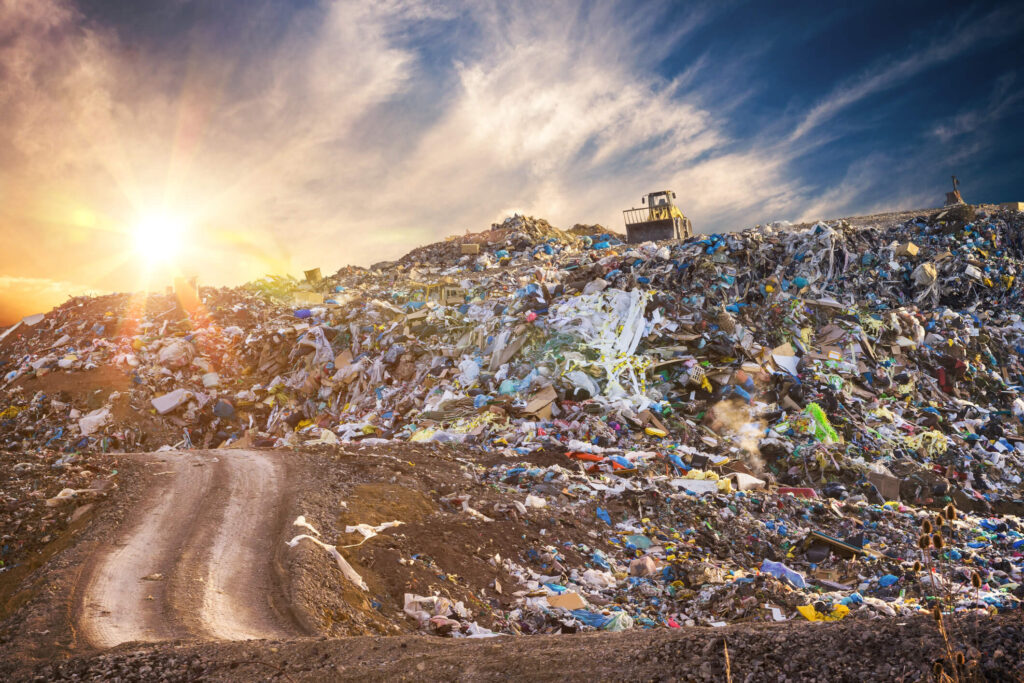
When recycling systems underperform, the consequences ripple outwards. More waste ends up in landfill or incineration, driving up greenhouse gas emissions. Valuable resources — metals, plastics, and paper fibres — are lost. And perhaps most damaging of all, public trust erodes. Once people believe recycling “just ends up in landfill anyway”, participation drops, creating a self-reinforcing cycle.
How We Can Fix Recycling in the UK
Make the Rules the Same Everywhere: A national, standardised list with clear on-pack labelling would remove guesswork and simplify communications. Consistency helps households do the right thing — and helps processors receive cleaner material.
Invest in Smarter, Faster Sorting: Modernising facilities with AI-driven sorters, robotics, and high-precision optical scanning can raise recovery rates and reduce contamination, improving the quality of recycled output and the economics behind it.
Hold Producers Accountable: Extended Producer Responsibility (EPR) makes manufacturers financially responsible for the packaging they place on the market. This encourages design for recyclability and relieves some pressure on local authorities.
Boost Demand for Recycled Materials: Policy can help build reliable demand by setting minimum recycled-content thresholds, rewarding recycled inputs, and prioritising recycled goods in public procurement. Stronger markets are also a cornerstone of a more resilient circular economy.
Engage the Public with Transparency: People recycle better when they can see results. Clear local guidance, honest reporting on what’s recovered, and examples of products made from recycled material all help maintain momentum.
Learning from Global Leaders: Countries achieving the highest recycling rates combine consistent rules, modern infrastructure, and sustained public engagement. The UK can follow suit with coordinated action and steady investment.
From Good Intentions to Real Results
The UK’s recycling challenge is not a question of public will — it’s a question of system design. Consistent rules, modernised facilities, aligned incentives, and stronger markets can transform recycling from a struggling initiative into a reliable environmental solution.
If you’re reviewing your organisation’s set-up, we can help with collections, segregation advice, and cost control — book a collection or request a quick quote and we’ll get you moving in the right direction.