
How We Recycle and Manage Waste: From Aggregates to Electronics
At Budget Waste, we believe that responsible recycling is the cornerstone of a cleaner, greener, and more sustainable Britain. Every waste stream we manage is treated with meticulous care to ensure it is reused, repurposed, or disposed of in a way that protects our environment and supports the UK’s transition to a circular economy. Whether it’s rubble from a building site or electronics at the end of their life, we offer comprehensive solutions that meet regulatory requirements and exceed client expectations.
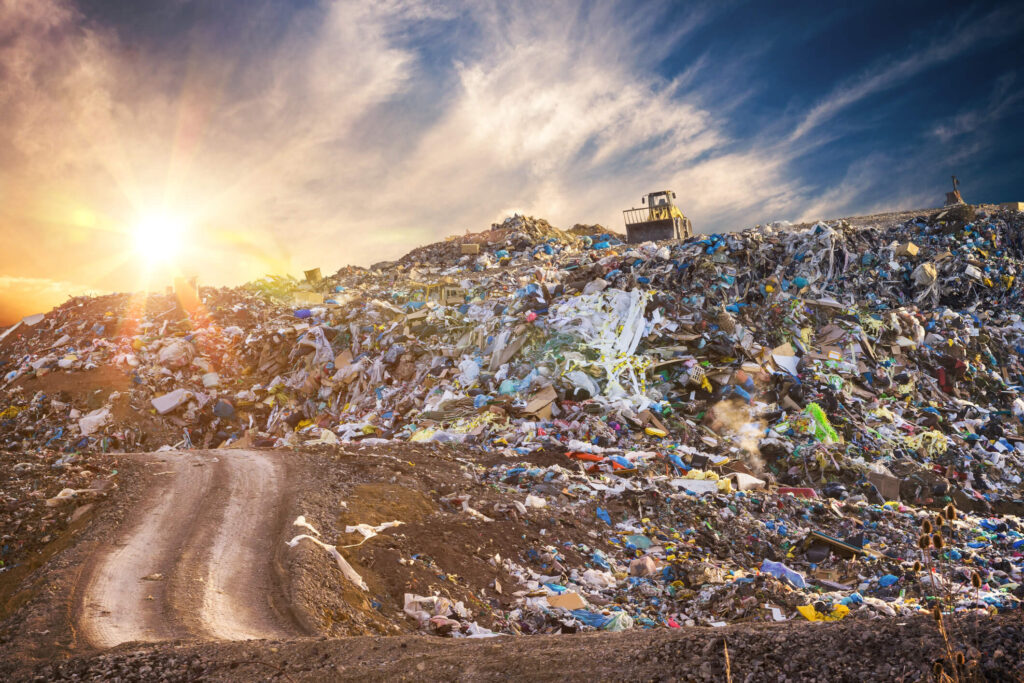
With a growing focus on environmental responsibility, businesses, local authorities, and communities are under increasing pressure to demonstrate sustainable practices. Through smart waste tracking, data transparency, and innovative recycling processes, we help clients across the UK reduce their landfill contribution, improve resource recovery, and meet their ESG goals. Here’s an in-depth look at how we manage various waste materials—and why it matters.
Aggregates and Soils
Construction and demolition projects generate vast amounts of inert waste, including aggregates and soils. In the UK, this waste stream is the largest by volume, making up over 60 million tonnes per year. Rather than sending this heavy material to landfill, we collect, separate, and process it for reuse. Aggregates such as concrete, brick, and stone are crushed and screened into a range of sizes suitable for sub-base applications, backfill, and drainage layers.
By repurposing these materials, we help reduce the environmental impact associated with quarrying and raw material extraction. This aligns with the UK Government’s commitment to reducing the environmental degradation caused by traditional construction practices. Soils are also screened for contaminants and tested for suitability in landscaping, land remediation, and agricultural projects. These practices not only reduce landfill dependency but also contribute to circular construction models that are gaining traction across the UK.
Wood Waste
Wood is a valuable yet often underutilised resource in the waste stream. In the UK, wood waste typically originates from construction sites, furniture disposal, and wooden pallets or packaging. We ensure that all collected wood is sorted by type—untreated, treated, or composite—before undergoing processes such as de-nailing, chipping, and shredding. Clean wood can be recycled into chipboard or MDF, while lower-grade wood is sent to biomass facilities.
Biomass energy production from wood waste plays a crucial role in the UK’s renewable energy strategy. Facilities like Drax Power Station use recycled wood to generate electricity, reducing reliance on fossil fuels. By diverting wood from landfill and converting it into new products or clean energy, we contribute to carbon reduction targets and promote sustainable forestry by making better use of existing timber resources.
Plastic Recycling
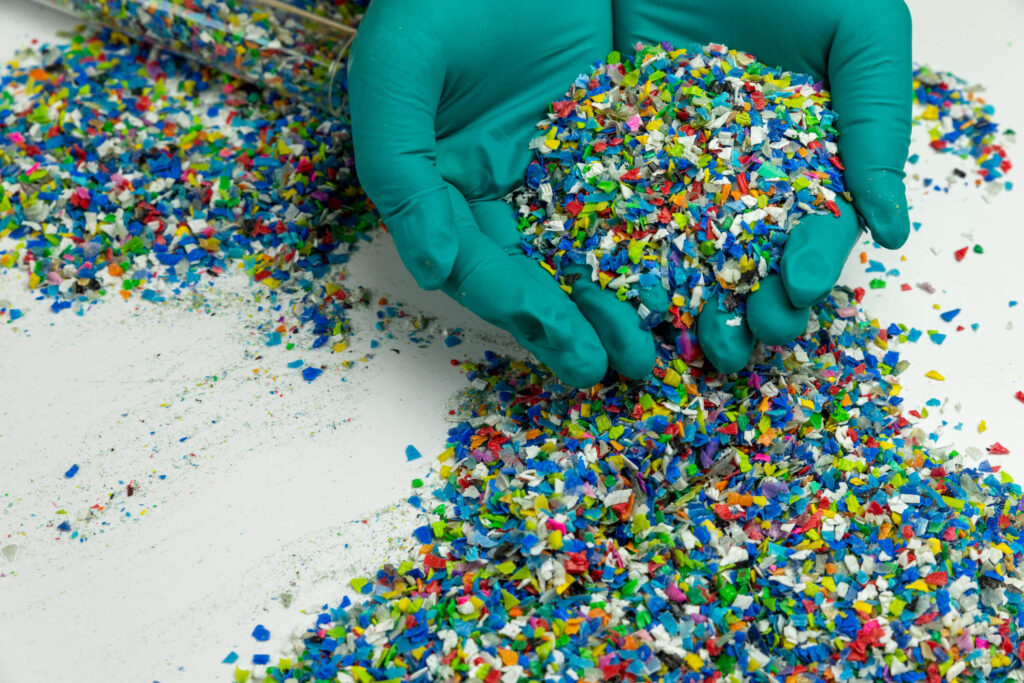
Plastic waste remains one of the most challenging materials to recycle due to contamination and the complexity of sorting various polymer types. We employ advanced sorting techniques, including near-infrared technology and manual inspection, to categorise plastics into distinct groups such as PET, HDPE, PVC, and LDPE. Once sorted and cleaned, plastics are baled and transported to specialist facilities where they are melted and reformed into raw materials.
These recycled plastics are then used to manufacture a wide array of products—from piping and packaging to furniture and construction materials. We also help businesses navigate the UK’s Plastic Packaging Tax, which incentivises the use of recycled content. Education remains key; we work closely with clients to improve waste segregation at the source, significantly increasing the volume of plastics that can be successfully recycled and reintroduced into the production cycle.
Plasterboard
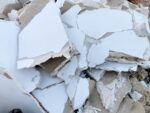
Plasterboard, also known as gypsum board, presents unique environmental challenges when landfilled. It can break down and release sulphates, which react with organic materials to produce toxic hydrogen sulphide gas. As such, the Environment Agency has set strict guidelines for the disposal and recycling of plasterboard. We operate in full compliance, separating gypsum from the paper lining through mechanical processes.
The recovered gypsum is reused in new plasterboard manufacturing, as well as in the production of cement and as a soil conditioner in agriculture. The separated paper fibres are pulped and recycled into new paper-based products. By handling plasterboard correctly, we protect landfill environments, meet regulatory obligations, and close the loop on a critical construction material.
Metal Recovery
Metals are among the most valuable and recyclable materials in the waste stream. We process both ferrous (iron and steel) and non-ferrous (aluminium, copper, brass) metals using hand sorting, magnetic separation, and shredding. Once sorted and cleaned, the metals are melted down and reformed into ingots or billets for use in manufacturing industries across the UK and Europe.
Recycling metals conserves raw materials and uses significantly less energy—up to 95% less—than producing metals from virgin ore. It also reduces greenhouse gas emissions and contributes to a low-carbon economy. From scaffolding and machinery to wiring and consumer electronics, recycled metals re-enter the supply chain with minimal loss in quality, demonstrating the efficiency and environmental value of proper metal recovery.
Paper and Cardboard
Paper and cardboard recycling remains a vital part of waste management, particularly as online retail continues to boom. We collect waste paper and cardboard from businesses, retailers, and local authorities, sorting it by grade and removing contaminants such as tape, staples, and plastic windows. The clean material is then baled and sent to UK paper mills for pulping and remanufacture.
Recycled paper products include new cardboard packaging, newspaper print, office paper, and tissue products. Recycling one tonne of paper saves 17 trees, 7,000 gallons of water, and significantly reduces energy use. We also help clients implement back-end systems for high-volume collection, ensuring that their packaging waste is handled efficiently and sustainably. Our services support FSC certification and other eco-labelling schemes for responsible material sourcing.
Asbestos Disposal
Asbestos is a hazardous material commonly found in buildings constructed before 2000 in the UK. Inhalation of asbestos fibres can lead to serious health conditions including mesothelioma and lung cancer. Budget Waste Management is licensed to handle, transport, and dispose of asbestos waste in full compliance with the Control of Asbestos Regulations 2012.
Our process includes site inspections, sampling, safe removal, and double-bagging of the waste in sealed containers. The asbestos is then transported to authorised hazardous waste disposal sites. For clients uncertain about potential asbestos on their premises, we offer comprehensive surveys and testing to ensure safety and legal compliance. Proper asbestos management safeguards public health and helps building owners avoid heavy penalties.
Gas Bottle Disposal
Gas bottles from barbecues, patio heaters, and camping equipment must be handled with care due to their pressurised contents. We check every bottle for residual gas, leaks, or damage before determining whether it can be refilled, refurbished, or dismantled for recycling. Materials like aluminium and steel are recovered for reuse, while safety valves and seals are responsibly discarded.
Improper disposal can result in explosions, injuries, and environmental contamination. We also collaborate with gas suppliers that operate bottle return and refill schemes, such as Calor and Flogas. Our services ensure full compliance with transport and safety regulations, including ADR and HSE guidelines, offering businesses and households peace of mind.
Tyre Recycling
Used tyres present both logistical and environmental challenges. Since 2006, it has been illegal to landfill whole tyres in the UK, and as a result, tyre recycling has become more advanced and widespread. We transport tyres to licensed facilities where they are shredded and processed into rubber crumb or granulate for use in road surfacing, sports pitches, playgrounds, and equestrian surfaces.
Some tyres are used in energy recovery through pyrolysis—a process that converts rubber into oil, gas, and carbon black. This method reduces dependency on virgin fossil fuels and aligns with the UK’s shift towards renewable energy sources. By ensuring every tyre is reused or recycled, we contribute to zero-waste goals and promote innovative end-of-life solutions for this persistent waste stream.
Fridge and Freezer Disposal
Refrigeration units must be disposed of correctly due to the presence of ozone-depleting substances (ODS) and insulation foam. At Budget Waste Management, we handle fridges and freezers in line with WEEE Regulations and ensure they are processed at Authorised Treatment Facilities. Harmful gases are carefully extracted and neutralised to prevent atmospheric pollution.
Once degassed, units are dismantled and sorted into recyclable components: metals, plastics, and glass. In addition to protecting the environment, correct disposal prevents fly-tipping and avoids potential fines for both commercial and domestic clients. Our fridge recycling services are particularly beneficial for retailers and hospitality venues undertaking equipment upgrades or refurbishments.
WEEE Recycling (Electronic Waste)
The UK produces over 1.6 million tonnes of electronic waste every year. Waste Electrical and Electronic Equipment (WEEE) includes anything from laptops and kettles to televisions and mobile phones. These items often contain valuable metals such as gold, silver, and copper, alongside hazardous components like mercury or lead solder.
We ensure all WEEE is securely transported to certified treatment centres where devices are dismantled, components are sorted, and materials are recovered. For businesses, we offer secure data destruction services that comply with GDPR and industry best practices. As technology advances and product life cycles shorten, responsible e-waste recycling becomes essential for environmental sustainability and data security.
From aggregates and metals to electronics and hazardous waste, every material has a place in our recycling system. At Budget Waste, we’re proud to play a role in reducing landfill, conserving resources, and supporting a more sustainable future for Britain. If your business is ready to embrace smarter, greener waste management, get in touch with us today.