
The Circular Economy Explained: How Businesses Can Close the Loop on Waste
Understanding the Circular Economy
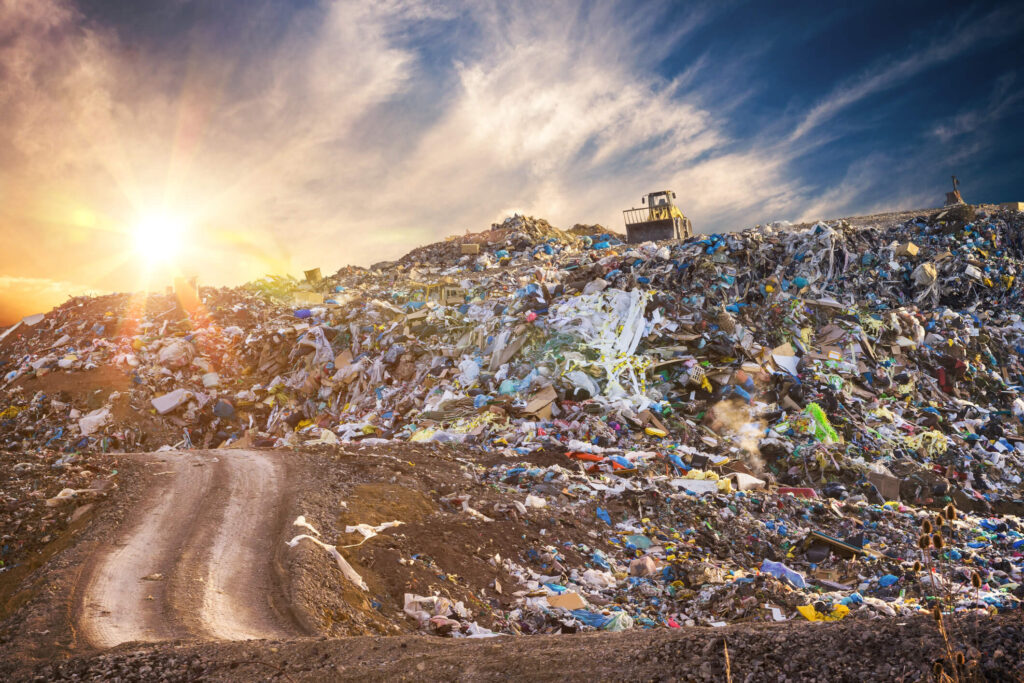
The traditional approach to resource use has long followed a linear model—extract, produce, consume, and dispose. This “take-make-waste” system leads to excessive landfill use, resource depletion, and environmental harm. In contrast, a circular economy redefines this process by keeping materials in use for as long as possible through recycling, reusing, and repurposing.
For businesses, adopting circular economy principles is not just about sustainability; it’s a smart financial strategy that reduces costs, enhances efficiency, and strengthens brand reputation.
Why Businesses Should Embrace the Circular Economy
Shifting towards a circular economy offers significant advantages for businesses across various sectors. Here’s why it matters:
- Cost Savings: Reducing waste disposal and raw material costs by reusing and recycling materials.
- Regulatory Compliance: Staying ahead of evolving waste management laws and sustainability regulations.
- Brand Reputation: Enhancing corporate social responsibility (CSR) and appealing to eco-conscious customers.
- Resource Security: Minimising dependency on finite resources and reducing supply chain vulnerabilities.
- Revenue Opportunities: Creating new revenue streams from recycled materials and innovative sustainable products.
How Businesses Can Close the Loop on Waste
1. Redesign Products for Longevity and Recyclability
Businesses should focus on designing products with sustainability in mind. This includes using durable materials, making items easy to repair or upgrade, and ensuring components can be fully recycled at end-of-life.
2. Implement Waste Audits to Identify Opportunities
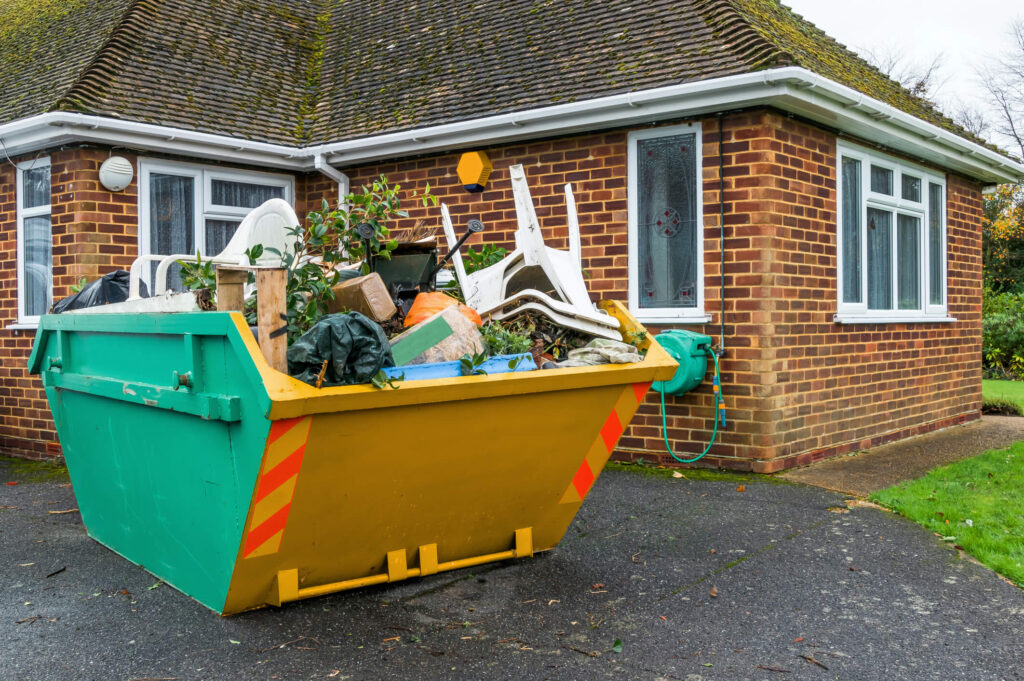
Conducting a waste audit helps businesses understand the types and volumes of waste they generate. By pinpointing waste sources, companies can develop targeted strategies to reduce and repurpose materials.
3. Adopt Reuse and Recycling Practices
Instead of discarding materials, businesses can:
- Set up internal recycling programs.
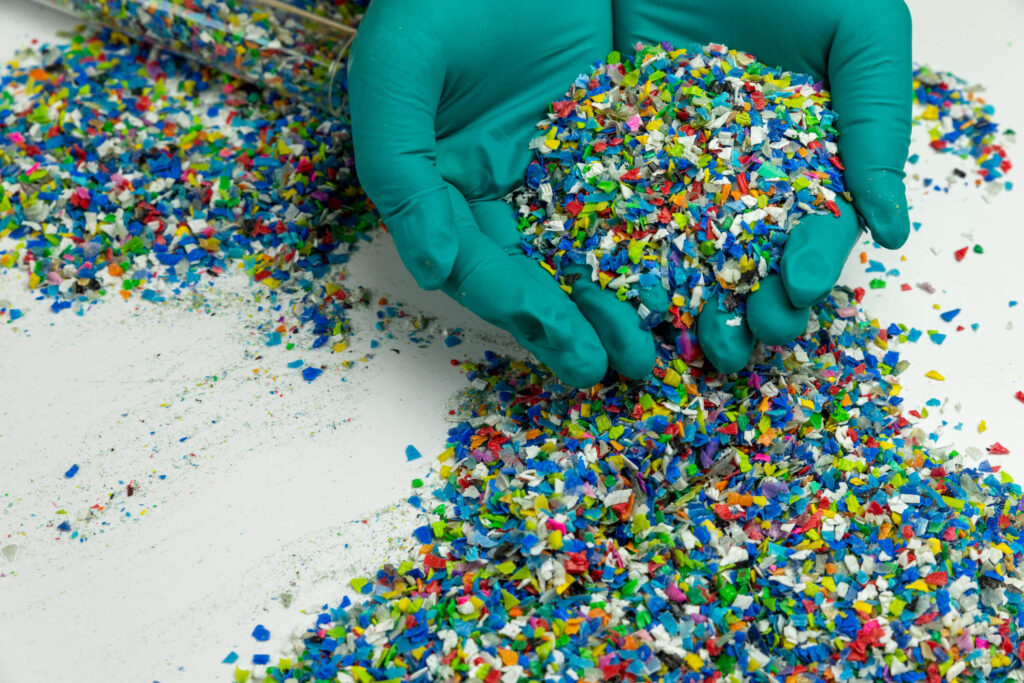
- Partner with waste management firms to process materials efficiently.
- Introduce reusable packaging solutions to minimise waste.
4. Engage in Industrial Symbiosis
Companies can collaborate within their industry or across sectors to share by-products and materials. This practice, known as industrial symbiosis, allows one business’s waste to become another’s resource, reducing waste and improving efficiency.
5. Offer Take-Back and Refurbishment Programs
Businesses can collect used products from customers, refurbish them, and reintroduce them to the market. This not only reduces waste but also builds customer loyalty and generates new revenue streams.
6. Incorporate Digital Solutions for Waste Management
Smart technologies, such as AI-powered waste tracking and digital inventory management, help businesses monitor and optimise resource use. These tools can enhance operational efficiency and minimise waste production.
7. Educate Employees and Customers
Building a circular economy culture requires engagement and education. Businesses should train employees on sustainable waste management practices and encourage customers to participate in recycling and reuse programs.
The Future of Circular Business Practices
The transition to a circular economy is not just a trend—it’s a necessary shift for businesses aiming for long-term sustainability. As global waste levels rise and resources become scarcer, adopting circular strategies will be key to maintaining a competitive edge while reducing environmental impact.
By closing the loop on waste, businesses can drive innovation, cut costs, and contribute to a healthier planet. The question is no longer if companies should embrace circular principles, but how soon they can implement them.