
The Rise of Circular Economy in the UK: Redefining Waste as a Resource
Moving from Linear to Circular
The circular economy represents a transformative shift from the traditional linear model of “take, make, dispose” to a sustainable system where materials are kept in use for as long as possible. This approach not only focuses on reducing waste but also on maximising resource efficiency, regenerating natural systems, and promoting sustainability across industries. In the UK, this model is gaining traction as a critical solution to pressing environmental issues such as resource scarcity, landfill overuse, and greenhouse gas emissions.
The concept of the circular economy is also about fostering innovation. Businesses, governments, and individuals are encouraged to rethink their relationship with products and materials, moving away from short-term consumption habits. By embedding circular practices into everyday life, the UK can create a future where waste is a thing of the past, and resources are used to their full potential.
Why the Circular Economy is Vital for the UK
The adoption of circular economy practices is vital for the UK for several reasons. First, it addresses the growing problem of resource depletion. Many of the materials we rely on—metals, minerals, and fossil fuels—are finite, yet global demand for these resources continues to rise. By extending the lifespan of products and materials, the circular economy reduces the need for virgin resource extraction, preserving these natural assets for future generations while minimising the environmental damage caused by mining and deforestation.
Additionally, a circular system dramatically reduces the environmental footprint of waste. Recycling and reusing materials prevent them from being sent to landfills or incinerators, which are significant sources of greenhouse gas emissions. Methane, a potent greenhouse gas, is released from decomposing organic waste in landfills, while burning materials like plastics emits harmful toxins into the atmosphere. By keeping materials in circulation, the circular economy directly contributes to the UK’s ambitious net zero targets, helping to mitigate climate change and protect ecosystems.
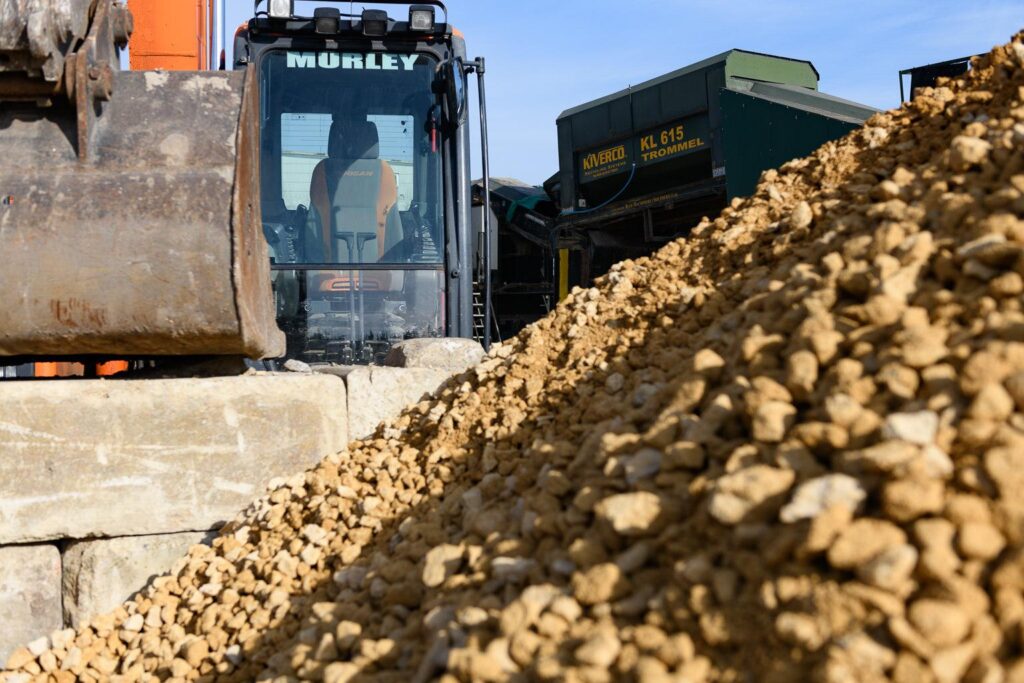
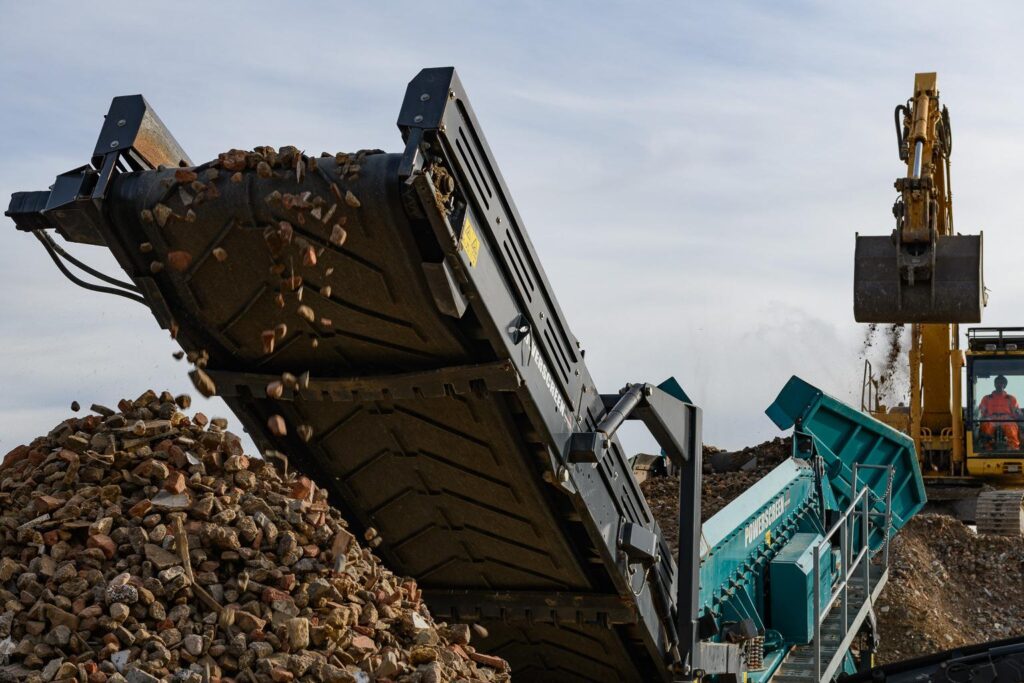
Beyond environmental benefits, the circular economy offers a path to economic resilience. By focusing on reuse and resource efficiency, businesses can reduce costs associated with raw material procurement while opening up opportunities for innovation in product design, logistics, and recycling processes. For example, sectors like construction can save costs by incorporating recycled aggregates and materials, reducing their dependency on virgin resources. Additionally, a circular approach helps shield the economy from fluctuations in global raw material markets, fostering greater stability.
Core Principles of the Circular Economy
The circular economy is built on a few key principles, each of which plays a vital role in redefining how resources are managed. One of the foundational principles is designing for longevity and reuse. Products need to be created with durability in mind, allowing them to be repaired, refurbished, or repurposed rather than discarded. For example, electronics manufacturers are increasingly designing modular devices that can be upgraded or repaired instead of replaced, reducing electronic waste and conserving valuable materials like rare earth metals.
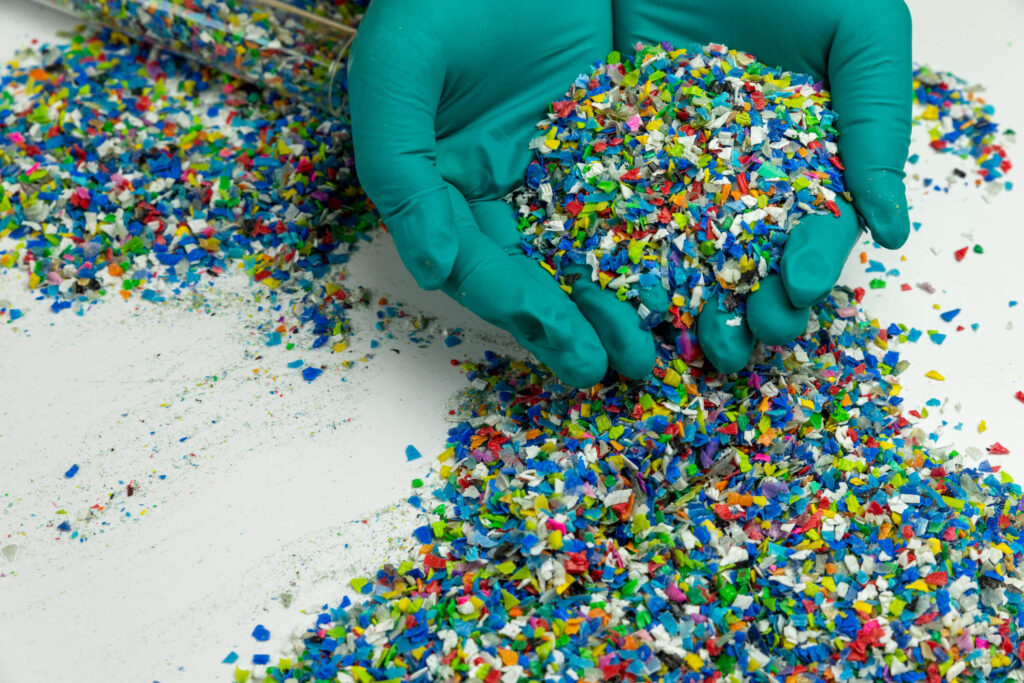
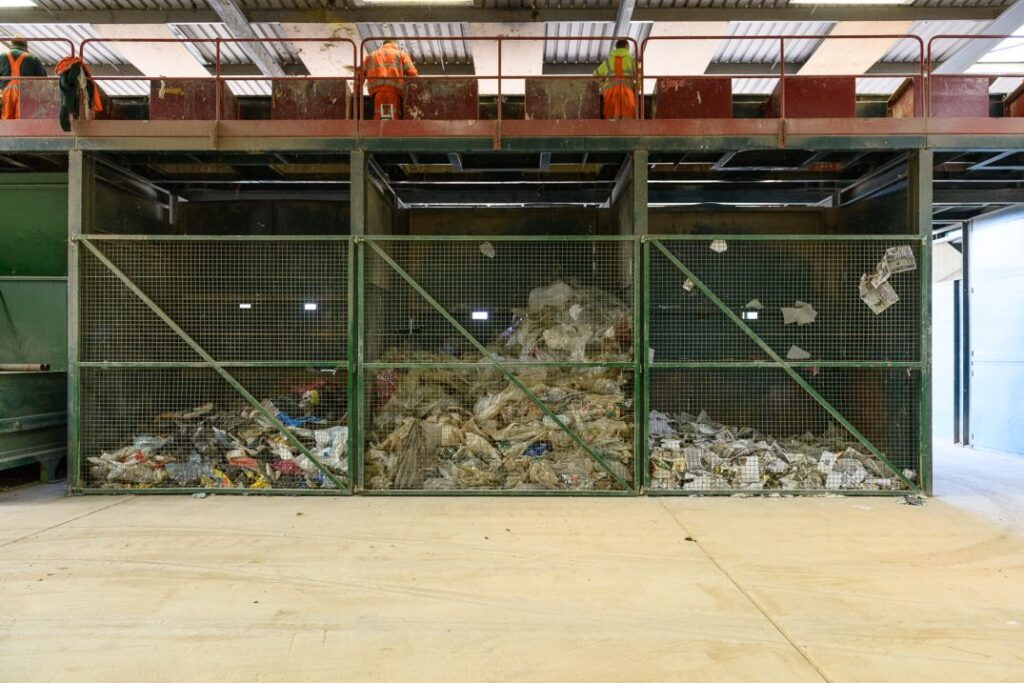
Another crucial aspect is creating effective recycling systems that recover valuable resources from waste. Traditional recycling methods often fail to capture the full value of discarded materials, either due to contamination or outdated infrastructure. Advanced systems, including AI-powered sorting technologies, are improving recovery rates and ensuring that materials like metals, plastics, and glass are efficiently recycled into new products. This not only reduces landfill use but also supports industries by providing a steady supply of secondary raw materials.
Circular practices also extend to the bioeconomy, where organic waste is repurposed into compost or bioenergy. By converting food waste and agricultural by-products into valuable resources, the circular economy can regenerate natural systems and reduce the environmental impact of organic waste decomposition. These innovations showcase the adaptability of circular principles across multiple sectors, further strengthening their relevance.
Lastly, promoting sharing and reuse models is an essential component of the circular economy. Platforms that encourage renting, leasing, or sharing products, such as car-sharing services or tool rental programs, reduce the need for individuals to own products they use infrequently. Similarly, initiatives like repair cafes and second-hand marketplaces empower consumers to extend the life of their belongings, further reducing waste and promoting a culture of sustainability.
How the UK is Supporting the Circular Economy
The UK is making significant strides in embedding circular economy principles through a combination of legislation, business innovation, and community action. Policies like the Environment Act 2021 and the Extended Producer Responsibility (EPR) scheme aim to hold manufacturers accountable for the entire lifecycle of their products, from design to disposal. This regulatory framework incentivises companies to create products that are easier to recycle, repair, or reuse, aligning with circular economy goals.
In addition to legislation, funding has been a crucial enabler for circular initiatives. The UK government has committed significant resources to improve recycling infrastructure and support businesses transitioning to circular models. From grants for sustainable packaging solutions to investments in waste-to-energy facilities, these financial commitments are laying the groundwork for a scalable circular economy.
Businesses across the UK are also leading the charge with innovative approaches to waste reduction and resource efficiency. Many are integrating recycled materials into their production processes or offering take-back schemes that ensure products are reused or responsibly recycled at the end of their life. At the community level, local councils and grassroots organisations are promoting circular practices through initiatives like composting programs, repair workshops, and tool libraries. These efforts help embed circular principles into everyday life, showing individuals how they can contribute to a more sustainable system.
The Challenges of Transitioning to a Circular Economy
Despite its many benefits, transitioning to a circular economy is not without challenges. One of the primary obstacles is the lack of modern infrastructure to support circular practices. Many regions in the UK still rely on outdated recycling facilities that cannot efficiently process complex materials or recover high-value resources. Significant investment in advanced technologies, such as chemical recycling and automated sorting systems, is required to bridge this gap and make circular practices scalable.
Another challenge lies in shifting consumer behaviours. While awareness of sustainability is growing, many people still lack a clear understanding of how to participate in a circular economy. For example, improper recycling habits or a preference for disposable products can undermine progress. Educational campaigns, incentives, and community engagement are essential to drive behaviour change and ensure public participation in circular initiatives.
Economic barriers also exist, particularly for businesses transitioning to circular models. Upfront costs for redesigning products, adopting new technologies, or establishing reverse logistics systems can be prohibitive, especially for small and medium-sized enterprises. Policymakers need to support these businesses with subsidies, grants, and regulatory guidance to enable widespread adoption of circular practices.