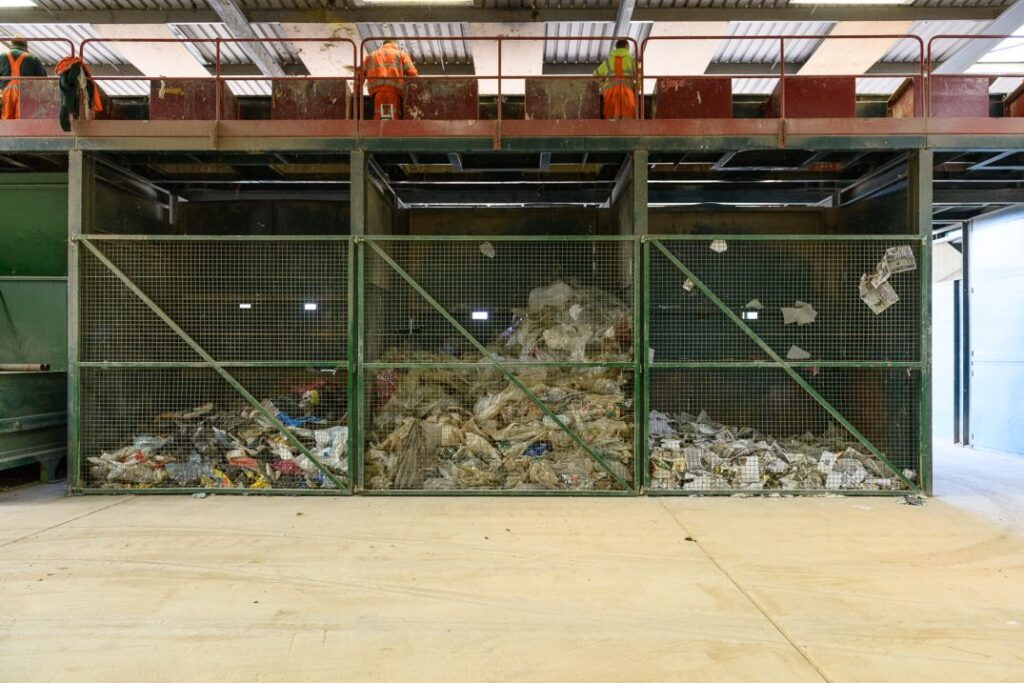

Lighting a Spark in Waste Management – E-waste Recycling
As technology rapidly advances, electronic waste (e-waste) continues to surge, posing significant environmental and economic challenges. In the UK alone, millions of tonnes of e-waste are generated annually. However, through responsible recycling practices, we can enhance sustainability, reduce waste, and promote a circular economy.
Why E-Waste Recycling Matters
1. Minimising Environmental Harm
One of the most pressing reasons to recycle electronics is to minimise the environmental damage caused by improper disposal. Electronics contain toxic substances such as mercury, lead, cadmium, and brominated flame retardants, which can leach into the soil and water if not disposed of correctly. These harmful chemicals can contaminate the environment, posing a significant threat to wildlife and human health.
When electronics are recycled properly, hazardous materials are safely removed and treated. This process ensures that dangerous substances don’t end up in landfills, rivers, or oceans. For example, recycling ensures that lead in old televisions or computer monitors is safely extracted, rather than allowing it to seep into the environment. Additionally, many electronics contain valuable precious metals like gold, silver, and copper, which can be reclaimed and reused, further reducing the need for mining and resource extraction.
2. Conserving Valuable Resources
Many of the components found in electronic devices—such as metals, plastics, and glass—are made from finite natural resources. Extracting these resources through mining and manufacturing processes can have serious environmental impacts, from deforestation to habitat destruction, water contamination, and air pollution.
By recycling electronics, we can conserve these precious materials. Recycling helps recover valuable metals like gold, copper, aluminium, and palladium, which are used in manufacturing new devices. In fact, recycling one tonne of mobile phones can recover over 300 grams of gold, far more than can be found in a tonne of gold ore. By reusing these materials, we reduce the demand for new raw materials, ultimately lowering the environmental footprint associated with electronics production.
3. Reducing Energy Consumption & Carbon Footprint
The energy required to produce new electronic devices from raw materials is substantial, contributing to a large carbon footprint. By recycling electronics, we can significantly reduce the energy needed to manufacture new products. For example, recycling aluminium from electronics saves up to 95% of the energy required to make new aluminium from bauxite.
Recycling electronics also helps reduce carbon emissions. The energy savings from recycling materials like metals and plastics directly contribute to lowering greenhouse gas emissions. As a result, by recycling, we are not only conserving resources but also taking a significant step toward mitigating climate change.
4. Boosting the Economy & Creating Jobs
The recycling industry plays a vital role in the economy, providing employment opportunities in various sectors. The collection, sorting, dismantling, and processing of electronic waste requires a skilled workforce, helping create jobs in local communities. According to the Environmental Services Association (ESA), the UK’s recycling industry is responsible for employing thousands of people and generating billions of pounds in revenue.
By improving recycling systems and investing in new technologies, we can create even more green jobs. The growth of e-waste recycling can also lead to the development of innovative solutions and technologies, further contributing to economic growth. In this way, recycling electronics not only benefits the environment but also stimulates the economy.
5. Improves Data Security
As personal and business data are increasingly stored on electronic devices, data security is a growing concern. When electronic devices such as smartphones, laptops, or hard drives are improperly discarded, they can potentially expose sensitive information to unauthorized access. Simply deleting files or formatting a device does not guarantee the complete destruction of data.
Properly recycling electronics ensures that data stored on old devices is completely erased before they are recycled. Many certified recycling programs offer secure data destruction services, safeguarding personal and business information. This helps reduce the risks associated with identity theft, financial fraud, and data breaches.
6. Supporting a Circular Economy
Recycling electronics is a crucial component of the circular economy—a system where products, materials, and resources are continuously reused, refurbished, and recycled, rather than discarded. The circular economy reduces waste, conserves resources, and encourages sustainability by closing the loop between production and consumption.
When we recycle electronics, we are contributing to a more sustainable way of living. Instead of throwing old devices away and creating more waste, we are creating a system where valuable materials are constantly re-entered into the supply chain. This reduces the need for raw material extraction, decreases waste, and promotes a more sustainable and responsible approach to manufacturing and consumption.
7. Reducing Landfill Overflow
Landfills are rapidly filling up, and space for new waste disposal sites is becoming increasingly scarce. Electronics, which can contain both valuable materials and hazardous substances, make up a significant portion of landfill waste. Once in landfills, e-waste takes up valuable space and can leach harmful chemicals into the surrounding environment.
By properly recycling electronics, we can significantly reduce the volume of waste going to landfills. This not only conserves landfill space but also prevents the release of harmful substances that can degrade land and water quality. Recycling helps divert electronic waste from landfills, turning potential waste into valuable resources.
Conclusion: A Step Toward a Sustainable Future
Properly recycling electronics is essential for protecting the environment, conserving resources, and supporting the economy. By reducing the amount of e-waste in landfills, preventing pollution, and reclaiming valuable materials, we can make a significant impact on the planet’s future.
As individuals, businesses, and governments work together to improve recycling systems and raise awareness about the importance of e-waste recycling, we can create a more sustainable future. The benefits of recycling electronics go far beyond just reducing waste—they help conserve resources, save energy, create jobs, protect personal data, and support a circular economy. By embracing these practices, we can all contribute to a healthier, more sustainable world