
The UK’s Road to Net Zero by 2050
The UK’s Commitment to Net Zero
The UK has set an ambitious goal to achieve net zero emissions by 2050, becoming one of the first major economies to legislate such a target. The **Net Zero Strategy: Build Back Greener** outlines the government’s comprehensive approach to reaching this target, covering energy, transport, buildings, and industry. This article examines the key areas of focus, innovative technologies involved, and how local companies and communities contribute to building a sustainable, low-carbon future.
Sector-Specific Decarbonisation Goals
Decarbonising Power by 2035
One of the UK’s primary goals is to achieve a clean power grid by 2035. The strategy focuses on expanding renewable energy sources, especially offshore wind, which is targeted to reach 40 GW by 2030. Additionally, investments in solar and nuclear power will play essential roles. However, achieving this will require substantial infrastructure upgrades to integrate renewables and ensure grid resilience.
Transforming Transport
The UK aims to end the sale of new petrol and diesel vehicles by 2030, with a shift towards electric and hydrogen-powered vehicles. To support this transition, the government is investing heavily in electric vehicle (EV) charging stations and hydrogen refuelling networks. Additionally, there is a commitment to enhance public transport and promote active travel options, such as cycling and walking, to further reduce emissions from road traffic.
Green Buildings and Energy Efficiency
Heating and powering buildings contribute significantly to UK emissions. The government’s goal is to phase out gas boilers by 2035 and promote energy-efficient heating solutions, including heat pumps and hydrogen-ready systems. Various retrofitting programs are also in place to improve insulation in existing homes and buildings, which will reduce energy usage and lower household costs. However, scaling these efforts will require accessible funding options and skilled professionals to meet retrofitting demands.
Decarbonising Industry and Waste
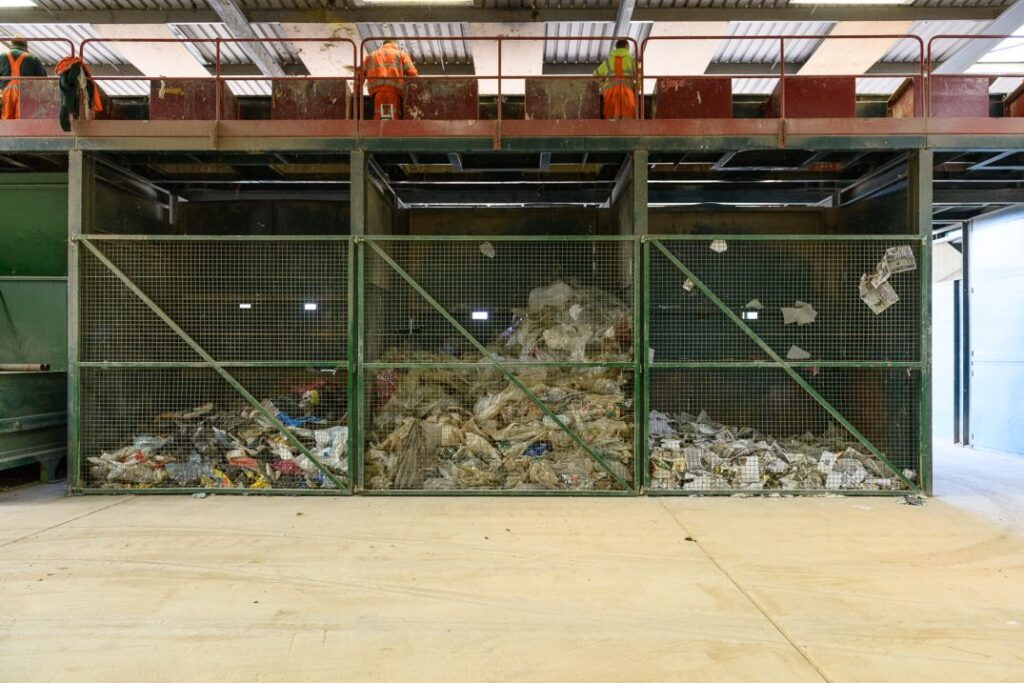
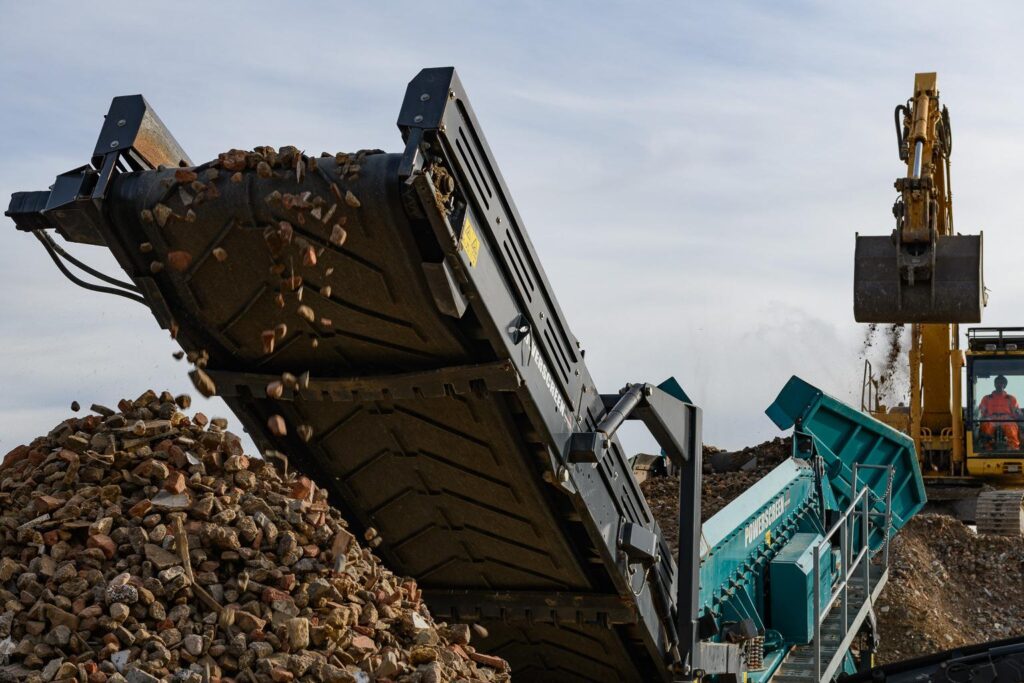
Industries such as steel and cement production are challenging to decarbonise due to their reliance on energy-intensive processes. The UK is investing in carbon capture, usage, and storage (CCUS) and hydrogen technologies to help these sectors reduce emissions. Furthermore, waste management is a priority, with ambitious targets for recycling and waste reduction. Local companies like Budget Waste Management are essential partners, providing recycling services and promoting sustainable practices within communities, which helps build a circular economy and reduces landfill dependency.
Key Technologies and Investments for a Green Future
Clean Energy and Hydrogen Infrastructure
The UK’s net zero strategy includes a strong focus on green hydrogen, with a target to produce 5 GW of low-carbon hydrogen by 2030. This hydrogen will help decarbonise sectors like heavy transport and industry. Additionally, carbon capture and bioenergy are key components in reducing emissions where full decarbonisation is challenging.
Electric Vehicle Expansion and Public Transport Initiatives
Significant investments are being made to expand the infrastructure for electric vehicles, including more public charging points across the country. Incentives are also in place to make EVs more affordable, supporting the government’s vision of a zero-emission transport system. Enhanced public transport options will also play a role, reducing car dependency and contributing to cleaner air and lower emissions.
Green Jobs and Workforce Development
As the UK transitions to a low-carbon economy, new job opportunities are emerging. The strategy projects up to 440,000 new green jobs by 2030 in sectors like renewable energy, green construction, and waste management. Initiatives such as the Green Jobs Taskforce are dedicated to equipping workers with the skills needed to thrive in the green economy, fostering a workforce prepared for sustainable industries.
The Role of Local Companies and Communities in Achieving Net Zero
Empowering Local Recycling and Waste Companies
Local recycling companies and waste management firms, such as Budget Waste Management, play a crucial role in the UK’s journey toward net zero. By processing and repurposing waste materials, these companies contribute to the circular economy, helping reduce landfill waste and environmental impact. Through community-driven recycling solutions, Companies like this support regional sustainability goals, making waste reduction accessible at a local level.
Public Engagement and Sustainable Practices
Public education is essential in achieving net zero. Government-backed campaigns and community programs are empowering individuals to adopt sustainable practices, such as recycling, reducing plastic use, and supporting local green initiatives. Many communities are also participating in renewable energy projects, urban greening efforts, and local recycling initiatives, all of which contribute to the UK’s net zero targets.
Addressing Key Challenges on the Road to Net Zero
Infrastructure Gaps and Technology Limitations
The path to net zero will require substantial upgrades to infrastructure, particularly in areas like renewable energy storage and green hydrogen production. Intermittent renewable sources, such as wind and solar, need advanced storage solutions to provide reliable power. Investments in modern waste facilities, renewable infrastructure, and hydrogen production are crucial to overcoming these technical barriers and supporting a resilient low-carbon economy.
Equity and Accessibility of Green Technology
For the net zero strategy to succeed, green technologies must be accessible and affordable for everyone. The government is implementing subsidies, retrofitting grants, and energy bill support to ensure low-income households are not disproportionately affected by the transition. Additionally, there are efforts to address regional disparities, ensuring that rural and underserved areas benefit from green investments and have access to the same sustainable resources as urban centres.