
A Day in the Life of a Waste Management Facility: What Really Happens to Your Waste
Ever wondered what happens to the waste you throw away or put in a skip? This article explores the journey of waste, from collection to recycling, with insights into how waste management facilities operate and why responsible disposal matters.
Introduction: What Happens After Your Waste Leaves the Skip?
When you hire a skip, the waste you throw away doesn’t just disappear. It embarks on a journey through a well-structured waste management process. From the moment a skip is collected, it’s taken to facilities where waste is sorted, recycled, processed, and, only when necessary, sent to landfill. Companies like Budget Skips play a crucial role in ensuring this process is environmentally responsible and efficient. But what exactly happens to your waste, and how does this affect the environment?
Collection & Skip Hire Services
Efficient Waste Collection: The first step in waste management begins with efficient collection. Whether you’re clearing out your home, renovating, or managing a construction site, skip hire is a practical solution for managing waste. Companies like Budget Skips offer a variety of skip sizes, ranging from 2-yard skips for small domestic jobs to 40-yard roll-on-roll-off skips for large-scale commercial waste.
Collection typically happens on a schedule agreed upon during booking, but flexible services like same-day delivery or wait-and-load options ensure that even urgent projects are catered for. This flexibility, alongside Budget Skips’ service across regions like Worcestershire, Warwickshire, Gloucestershire, and Oxfordshire, makes them a reliable choice for waste disposal in the local area.
Waste Sorting and Recycling
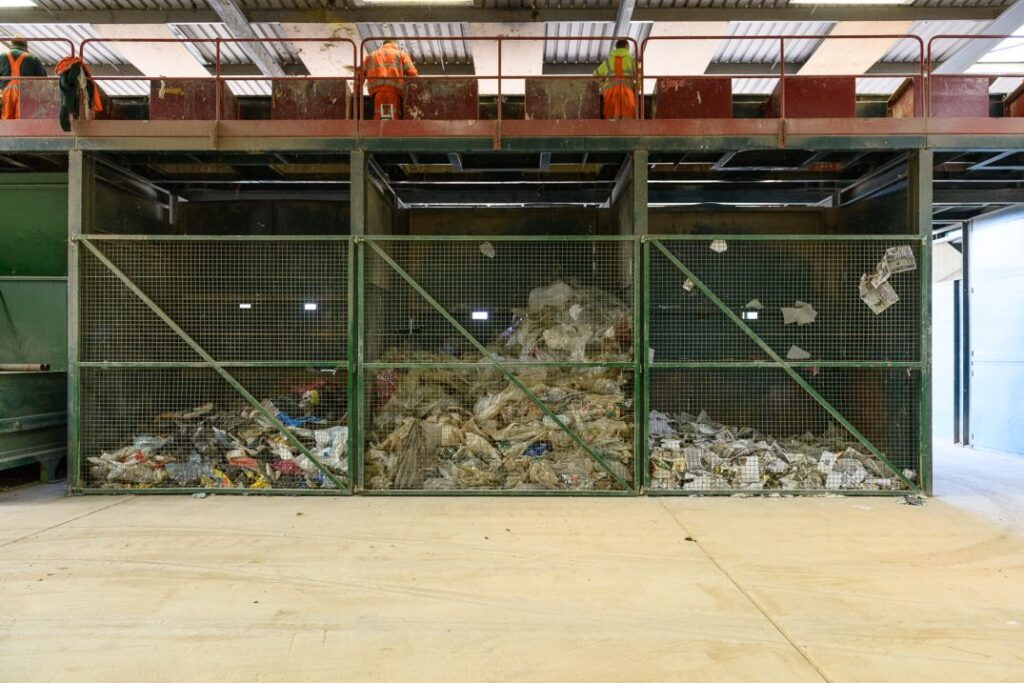
The Sorting Process: Once the waste arrives at a facility, the sorting process begins. Waste management companies work to segregate materials into categories such as metals, plastics, glass, wood, and aggregates. This initial sorting phase is crucial to maximise recycling and minimise the volume of waste sent to landfill. Skips often contain a mix of recyclable materials and non-recyclable items, so careful sorting ensures that valuable resources are recovered.
High Recycling Efficiency: Companies like Budget Skips strive for high recycling efficiency, recycling over 95% of the waste collected. This not only helps reduce the environmental impact but also aligns with government policies aimed at reducing landfill use. Recycled materials can be repurposed into new products, helping to close the loop on waste management.
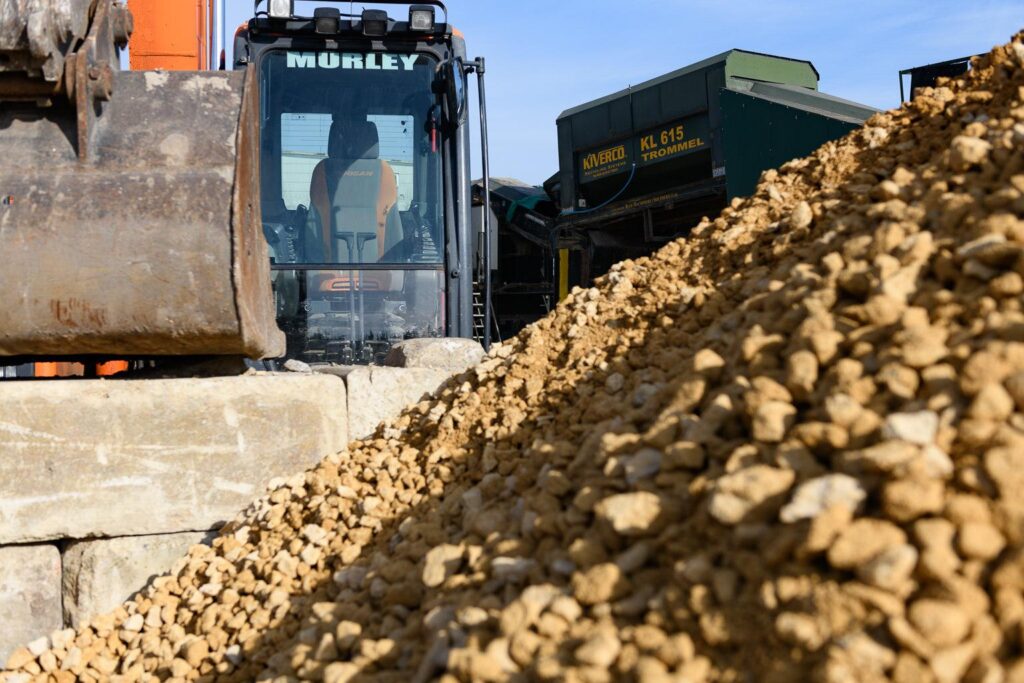
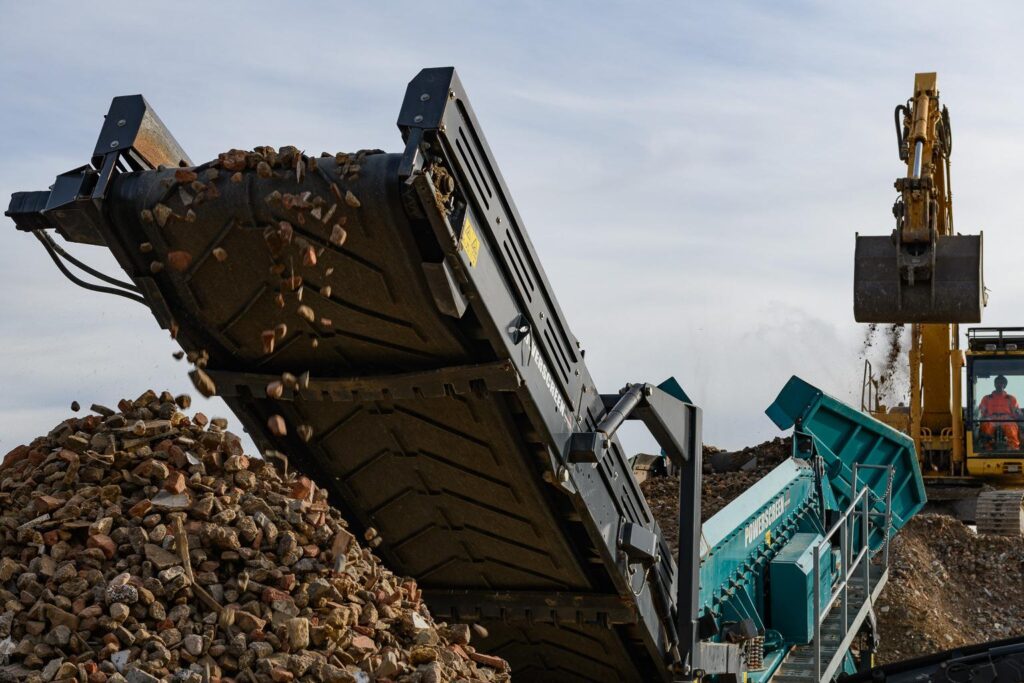
Some materials, such as soil and aggregates, go through special processing where they are cleaned, screened, and repurposed for construction projects. This practice significantly reduces the demand for virgin materials and supports sustainable building practices.
Advanced Waste Processing
Waste-to-Energy: For non-recyclable materials, many waste management facilities employ waste-to-energy (WTE) technologies. WTE is a process where waste is incinerated at high temperatures to generate electricity or heat. This process reduces the volume of waste sent to landfill while producing renewable energy. In the UK, this has become an increasingly popular method to manage residual waste.
The Role of Skips in Reducing Landfill: By using skips to collect and dispose of waste, homeowners and businesses contribute to reducing landfill usage. Skips are especially valuable for bulky, construction, and renovation waste, which is often difficult to dispose of through conventional means. By choosing a responsible skip hire company, individuals can ensure that their waste is processed in the most sustainable way possible.
Hazardous Waste Management
While most general waste can be recycled or processed, hazardous materials require special attention. Materials like asbestos, batteries, and certain chemicals must be handled according to strict guidelines. Improper disposal of hazardous waste can lead to environmental contamination, health risks, and fines. Licensed waste management companies have the expertise and certification to handle such materials safely, ensuring they are either neutralised or disposed of in specialised facilities.
If you are dealing with hazardous waste, it’s crucial to notify your skip hire provider in advance to ensure compliance with legal requirements and to avoid potentially harmful environmental impacts.
Regulatory Compliance and Sustainability
Landfill Diversion and the UK Landfill Tax: The UK’s landfill tax was introduced to reduce landfill usage and promote recycling. Waste management companies like Budget Skips play a pivotal role in helping businesses and households comply with this tax by diverting as much waste as possible to recycling and recovery. The landfill tax continues to rise each year, which encourages individuals and companies to explore alternative waste disposal methods that are both cost-effective and environmentally friendly.
Sustainability and the Circular Economy: Waste management isn’t just about disposal; it’s about creating a circular economy. This means finding ways to keep materials in use for as long as possible through recycling, repurposing, and reprocessing. Waste management facilities aim to ensure that valuable resources are recovered and reintroduced into the economy, reducing the need for new materials and preserving natural resources.
Future Trends in Waste Management
Smart Waste Management: Technology is rapidly transforming the waste industry. Smart bins equipped with sensors can monitor fill levels and optimise collection routes, reducing the carbon footprint of waste collection services. These innovations are already being trialled in some UK cities and are likely to become standard practice in the near future.
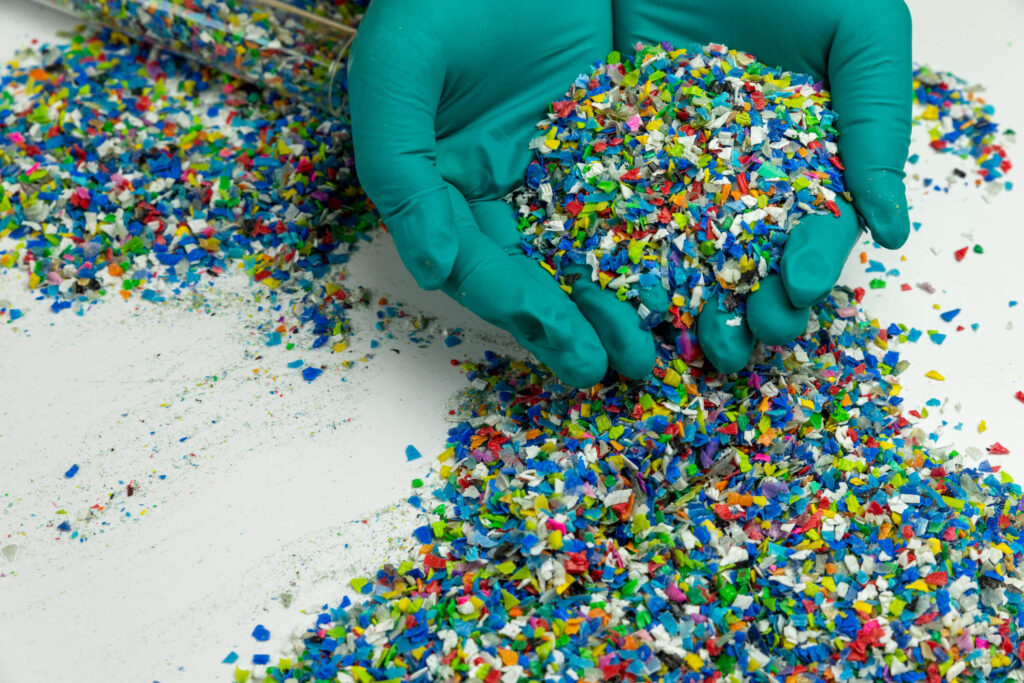
Plastic Recycling Innovations: With the growing concerns over plastic pollution, new methods of recycling plastics, such as chemical recycling, are being developed. These methods break down plastic at a molecular level, allowing for higher-quality recycled plastics that can be used in more products.