
The Environmental Impact of Improper Waste Disposal: What You Need to Know
Why Waste Disposal Practices Matter
Improper waste disposal is one of the most significant environmental challenges of our time. From polluting ecosystems to exacerbating climate change, the consequences of neglecting proper waste management extend far beyond the obvious. Practices such as illegal dumping, unregulated burning, and poorly managed landfills contribute to a host of environmental issues, including soil contamination, water pollution, and harmful greenhouse gas emissions.
Addressing these challenges is essential for safeguarding the planet for future generations. Effective waste management not only protects ecosystems but also supports public health, economic stability, and the global effort to combat climate change. By understanding the true impact of improper waste disposal, we can take steps to mitigate its effects and transition to more sustainable practices.
The Environmental Consequences of Improper Waste Disposal
Soil Contamination and Land Degradation
When hazardous materials such as chemicals, pesticides, or electronic waste are improperly discarded, toxins seep into the soil. This contamination affects soil fertility, disrupts plant growth, and can make agricultural land unsafe for farming. Over time, these toxins accumulate, creating long-term damage to ecosystems and requiring extensive remediation efforts.
Improperly managed landfills also contribute to land degradation. Waste piled in these areas often lacks adequate barriers to prevent leachate—liquid waste runoff—from entering surrounding soils. Contaminated soil not only threatens local biodiversity but also poses risks to human health, as toxins can enter the food chain through crops grown in polluted areas.
Water Pollution and Marine Ecosystems
Improper waste disposal often leads to water contamination. Runoff from landfills, illegal dumping, and industrial waste can enter rivers, lakes, and oceans, introducing harmful substances into aquatic ecosystems. Plastics, one of the most pervasive pollutants, break down into microplastics that are ingested by marine life, leading to injury or death and affecting global food chains.
Toxins from chemical waste can also contaminate drinking water supplies, posing serious health risks to human populations. Coastal regions, where waste often accumulates, are particularly vulnerable. Cleaning up polluted waterways is a costly and time-intensive process, making prevention through proper waste disposal practices even more critical.
Air Pollution and Greenhouse Gas Emissions
Unregulated burning of waste and emissions from poorly managed landfills contribute significantly to air pollution. Burning materials like plastics releases harmful toxins, including dioxins and furans, which are hazardous to both the environment and public health.
Landfills are also a major source of methane—a potent greenhouse gas that accelerates global warming. Methane emissions occur as organic waste decomposes anaerobically in landfills. Addressing improper waste disposal through recycling and composting can significantly reduce methane production, helping to mitigate climate change while improving air quality.
Harm to Wildlife and Loss of Biodiversity
Improper waste disposal severely impacts wildlife and natural habitats. Animals often ingest plastic waste, mistaking it for food, which can lead to internal injuries, starvation, or death. Others become entangled in discarded materials such as fishing lines or plastic rings, restricting their movement and survival.
Additionally, waste accumulation in natural areas destroys habitats, forcing species to migrate or face extinction. Biodiversity loss weakens ecosystems, reducing their ability to provide essential services like pollination, water purification, and climate regulation. Protecting wildlife requires minimising waste and ensuring that disposal methods are environmentally friendly.
The Social and Economic Costs of Improper Waste Disposal
Improper waste disposal not only harms the environment but also imposes significant social and economic burdens. Communities living near polluted areas face increased health risks, including respiratory problems, waterborne diseases, and exposure to toxic substances.
Economically, governments and businesses spend billions annually on cleaning up illegal dumping sites, restoring contaminated land, and addressing public health crises caused by waste pollution. Furthermore, the loss of biodiversity and degraded ecosystems leads to reduced tourism revenue and diminished natural resources, further straining local economies.
Solutions to Combat Improper Waste Disposal
Promoting Recycling and Responsible Waste Management
Recycling is at the forefront of addressing improper waste disposal, offering both environmental and economic benefits. By recovering valuable materials such as metals, plastics, and paper, recycling systems help reduce the need for raw material extraction, which depletes natural resources and damages ecosystems. Diverting waste from landfills not only minimises greenhouse gas emissions but also decreases the environmental hazards associated with leachate contamination. Moreover, the recycling industry creates jobs, fosters innovation, and supports local economies by repurposing discarded materials into valuable products.
For recycling to be effective, a unified effort from individuals, businesses, and governments is essential. Households must prioritise proper waste sorting to ensure that recyclable materials are not contaminated, making them suitable for processing. Businesses can adopt sustainable waste practices by reducing packaging, implementing take-back schemes, and partnering with responsible recycling services. Local authorities play a critical role by providing accessible recycling infrastructure, such as kerbside collections and drop-off points, making it easier for communities to participate in sustainable waste disposal.
Investing in Modern Waste Infrastructure
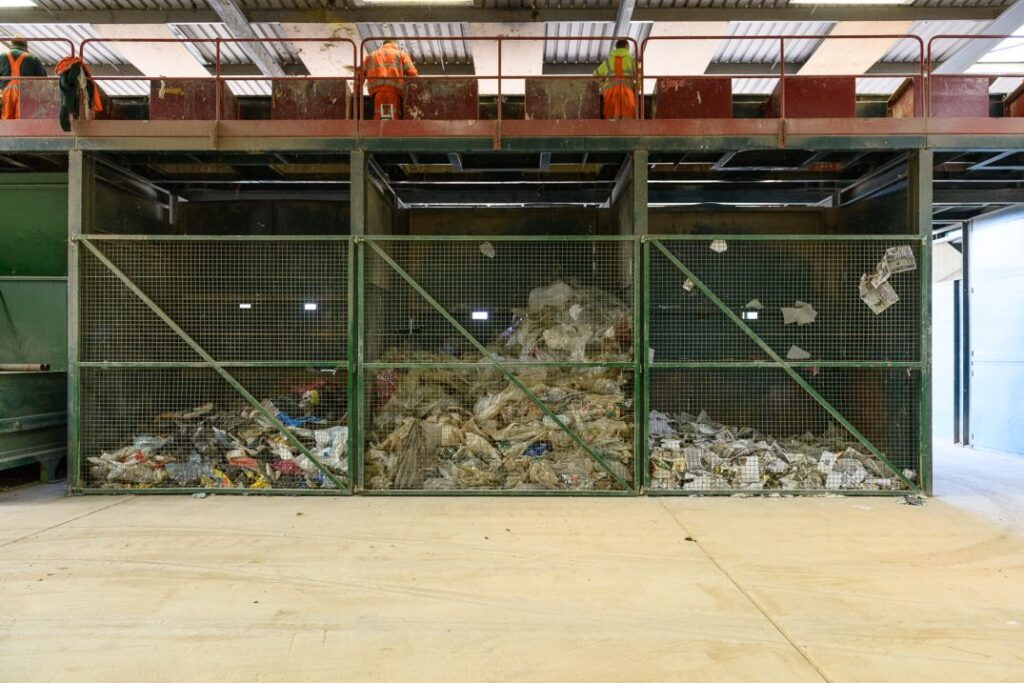
Building advanced waste management infrastructure is crucial for tackling improper disposal on a large scale. Recycling facilities equipped with cutting-edge technologies, such as AI-powered sorting systems, can process a broader range of materials, including complex waste streams like electronic waste and mixed plastics. These advanced systems not only improve the recovery of valuable resources but also enhance the overall efficiency of recycling processes, reducing the volume of waste sent to landfills.
In addition to recycling, waste-to-energy plants are a powerful tool for managing non-recyclable waste. These facilities convert waste into energy through processes such as incineration or anaerobic digestion, reducing the environmental footprint of waste while providing a renewable energy source. Upgrading infrastructure also involves improving collection systems, such as smart bins that monitor waste levels and optimise collection schedules, reducing the frequency of missed pickups and overflows. Investments in these areas help close gaps in existing systems, ensuring that waste is managed sustainably from collection to processing.
Strengthening Policies and Regulations
Governments are key drivers of systemic change in waste management through the implementation of robust policies and regulations. Penalties for illegal dumping and improper waste disposal must be strictly enforced to deter these harmful practices. At the same time, incentive programs that reward recycling and sustainable behaviours can encourage individuals and businesses to adopt better waste management practices.
Extended Producer Responsibility (EPR) is an excellent example of policy innovation that aligns with circular economy principles. Under EPR schemes, manufacturers are required to take accountability for the entire lifecycle of their products, including disposal. This incentivises companies to design products that are more durable, repairable, and recyclable, ultimately reducing waste. Governments can also implement deposit return schemes for items like bottles and cans, which have proven effective in increasing recycling rates in many countries. By combining penalties, incentives, and accountability measures, policies can create a framework for long-term waste reduction and sustainable disposal.
Educating Communities and Encouraging Sustainable Behaviours
Public education is perhaps one of the most critical components of combating improper waste disposal. Raising awareness about the environmental, social, and health impacts of waste pollution helps individuals understand the importance of their role in the waste cycle. Educational campaigns can provide practical guidance on proper waste sorting, the benefits of composting, and how to reduce reliance on single-use plastics. This knowledge empowers individuals to make informed choices that collectively contribute to more sustainable communities.
Community-led initiatives further reinforce sustainable behaviours. Repair workshops, for instance, teach individuals how to extend the life of their belongings, reducing the need for disposal. Local clean-up events not only improve public spaces but also foster a sense of collective responsibility for the environment. Schools and educational institutions play a pivotal role as well, embedding sustainability into curriculums to inspire the next generation to prioritise environmental stewardship. By integrating education with actionable initiatives, communities can create a culture where sustainability becomes second nature.