
What Type of Waste is on the Rise Nowadays?
The Growing Challenge of Waste
Waste generation is increasing at an alarming rate, driven by rapid urbanisation, technological advancements, and shifting consumer habits. Across the UK and globally, the volume of waste is rising, placing immense pressure on waste management systems and the environment. As industries expand and populations grow, more materials are being discarded, often without sustainable solutions in place.
The impact of this surge in waste extends beyond landfills, affecting air quality, marine ecosystems, and soil health. Many of the materials being discarded today—such as plastics, electronics, and textiles—are not biodegradable, meaning they persist in the environment for decades. Without proper intervention, these waste streams will continue to escalate, posing significant environmental and economic challenges. This article explores the key waste types that are increasing and examines the factors driving these trends.
The Fastest-Growing Waste Streams
Electronic Waste (E-Waste) – The Dark Side of Technology
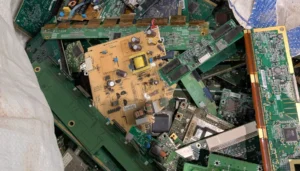
Electronic waste has become one of the fastest-growing waste streams due to the rapid pace of technological advancements and the short lifespan of modern devices. With consumers constantly upgrading smartphones, laptops, and household appliances, millions of tonnes of electronics are discarded each year. Unfortunately, e-waste contains hazardous materials such as lead, mercury, and cadmium, which can leach into the environment if not disposed of properly.
The recycling rate for e-waste remains low, with many devices ending up in landfills or being shipped overseas for improper disposal. This not only contributes to environmental pollution but also wastes valuable materials like gold, silver, and rare earth metals that could be recovered and reused. The need for improved e-waste recycling facilities and policies is greater than ever, as the global demand for electronics shows no signs of slowing down.
Plastic Waste – A Growing Global Crisis
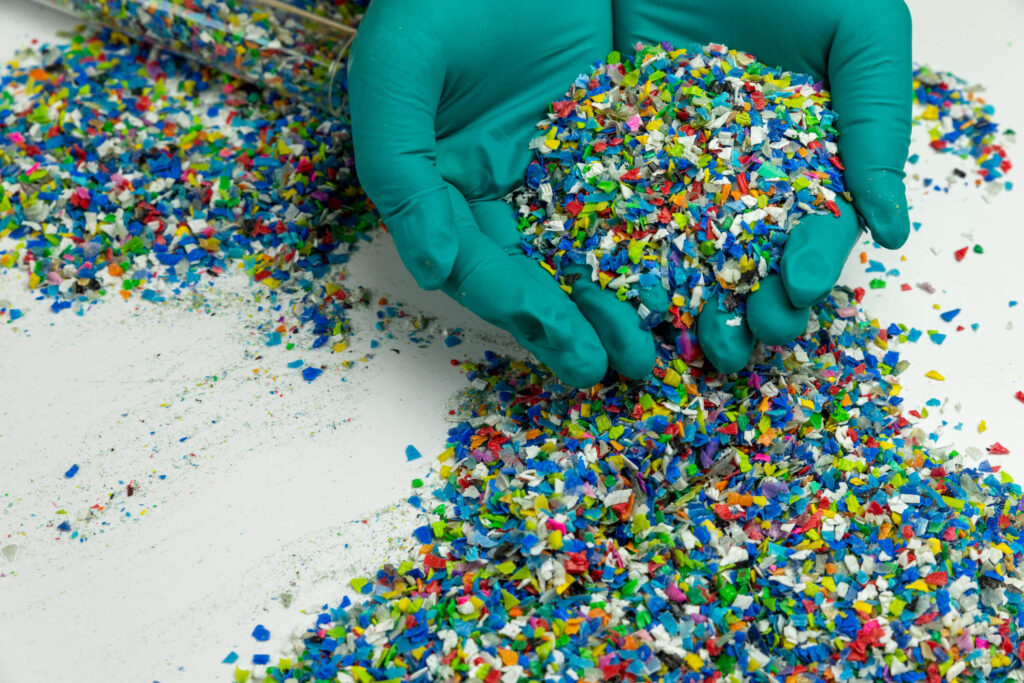
Plastic waste continues to rise, fuelled by increasing consumption of single-use items and excessive packaging in retail and food industries. While plastic has revolutionised modern life due to its durability and versatility, it has also created an environmental crisis. Large amounts of plastic waste end up in the ocean, where it harms marine life and contributes to the growing problem of microplastics entering the food chain.
Despite efforts to ban or reduce certain plastic products, such as straws and carrier bags, plastic waste generation remains high. Many plastic items are difficult to recycle due to their complex composition, leading them to be incinerated or sent to landfills instead. More sustainable alternatives, such as biodegradable plastics and packaging made from recycled materials, need to be widely adopted to address this challenge.
Food Waste – A Hidden Environmental Threat
Food waste is another rapidly growing issue, with households, supermarkets, and restaurants discarding vast amounts of edible food every day. The environmental impact of food waste extends far beyond wasted resources—it contributes to greenhouse gas emissions when decomposing in landfills, releases methane into the atmosphere, and squanders the energy, water, and labour that went into food production.
Tackling food waste requires a multi-faceted approach, including better food redistribution systems, improved consumer awareness, and policy changes that encourage businesses to minimise waste. Composting is also an effective method to prevent organic waste from ending up in landfills, turning it instead into valuable nutrient-rich soil.
Construction and Demolition Waste – The Cost of Urbanisation
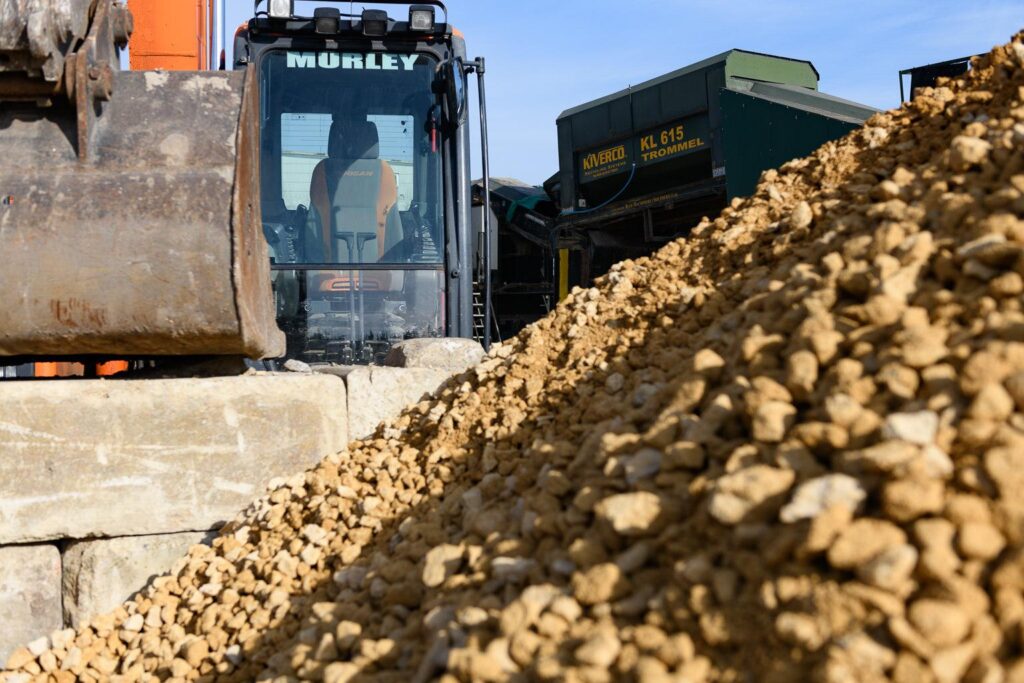
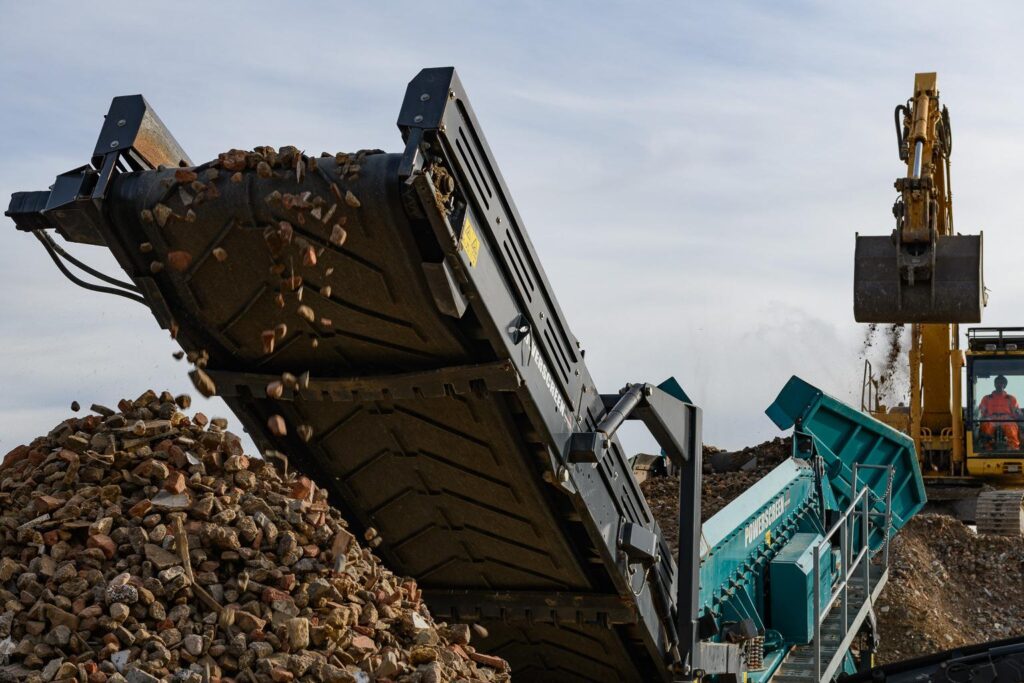
As cities expand and infrastructure projects grow, construction and demolition waste has become a major concern. Materials such as concrete, wood, bricks, and metal often end up in landfills despite the potential for reuse and recycling. The construction industry generates an enormous amount of waste, much of which could be repurposed if sustainable building practices were prioritised.
Recycling materials from demolition sites can significantly reduce waste and lower the demand for virgin resources. Companies that focus on sustainable waste management, such as those offering tailored recycling solutions, play a crucial role in helping the construction sector minimise its environmental impact. By promoting responsible waste disposal and material recovery, businesses and local authorities can work together to create a more circular economy in the construction industry.
Textile Waste – The Impact of Fast Fashion
The rise of fast fashion has led to a dramatic increase in textile waste, with clothing being discarded at an unprecedented rate. Cheap, mass-produced garments encourage short-term use and disposal rather than long-term wear, leading to overflowing landfills and excessive resource consumption. Many synthetic fabrics are non-biodegradable and release microplastics into waterways when washed, further contributing to environmental pollution.
Solutions to the growing problem of textile waste include encouraging consumers to buy quality over quantity, increasing clothing donation and recycling programs, and supporting sustainable fashion brands that prioritise ethical production and durability. Clothing rental and resale platforms are also becoming popular alternatives to reduce textile waste and promote a more circular fashion economy.
What’s Driving These Waste Trends?
Several factors contribute to the rapid increase in these waste streams. Consumer culture has shifted towards overconsumption, with many products designed for convenience rather than longevity. The demand for the latest technology, fast fashion, and disposable packaging means that more items are being discarded at a faster rate than ever before.
Urbanisation and economic growth also play a role, as higher living standards and increased purchasing power lead to greater consumption and waste generation. At the same time, waste management infrastructure has struggled to keep up, with inadequate recycling facilities and inconsistent policies across regions making it difficult to effectively process the rising volume of waste. Public awareness about sustainable waste disposal practices remains limited in many areas, further exacerbating the issue.
Solutions for Managing Rising Waste Levels
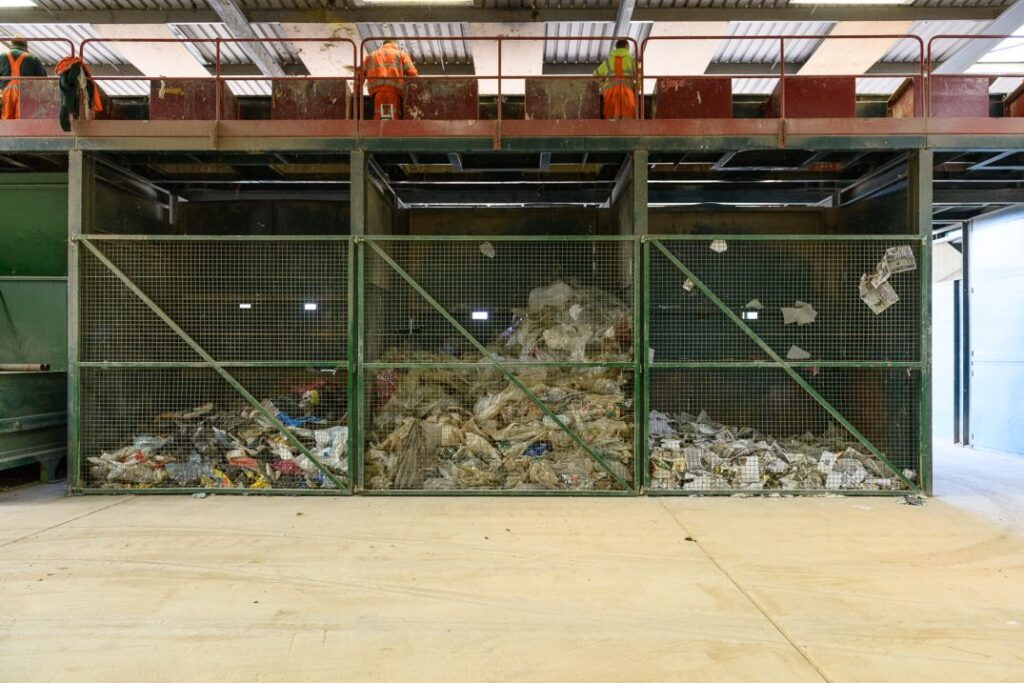
Improving recycling infrastructure and expanding collection programs are critical steps in managing growing waste streams. Investments in modern recycling technology can enhance the efficiency of material recovery, making it easier to process electronic waste, plastics, and construction debris. Encouraging better waste segregation at the household and business levels can also improve recycling outcomes.
The transition to a circular economy is key to reducing waste generation. Designing products with longevity, repairability, and recyclability in mind can help break the cycle of disposable consumption. Businesses that embrace circular economy principles can contribute to waste reduction by offering product take-back programs, using recycled materials, and minimising packaging waste.
Governments can implement stricter regulations to curb waste production, such as higher landfill taxes, bans on non-recyclable plastics, and extended producer responsibility laws that hold manufacturers accountable for product disposal. Collaboration between industries, policymakers, and consumers is necessary to create sustainable waste management solutions that align with environmental goals.
The Urgency of Addressing Waste Growth
The rise in waste generation poses a major challenge for sustainability efforts worldwide. From electronic waste and plastic pollution to food and textile waste, the environmental impact of discarded materials is significant. However, by improving waste management systems, embracing sustainable product design, enforcing responsible policies, and promoting consumer awareness, we can work towards reducing waste at its source.
Addressing these waste trends requires a collective effort from individuals, businesses, and governments. By adopting circular economy principles and making responsible choices in our consumption and disposal habits, we can pave the way for a cleaner, more sustainable future.