
The Future of Recycling in the UK: Challenges and Innovations Ahead
A Nation at a Recycling Crossroads
The UK has made considerable progress in recycling over the last two decades, but as environmental demands grow and waste volumes rise, our systems are facing unprecedented pressure. Despite having one of the highest recycling rates in Europe, challenges such as contamination, limited infrastructure, and inconsistent local policies continue to hinder national targets. As the country aims for a net-zero future, understanding the next steps for recycling—and the innovations leading the way—is more important than ever.
The Key Challenges Facing UK Recycling
One of the most pressing issues is the inconsistency in recycling systems across local authorities. While some councils provide comprehensive kerbside collections for various materials, others offer limited services. This fragmentation leads to confusion among residents and businesses, often resulting in contamination or recyclable items ending up in landfill.
Another major obstacle is the growing complexity of packaging. Many consumer goods use mixed-material packaging that is difficult or impossible to recycle with current technology. Without standardisation, even well-meaning consumers struggle to sort their waste properly.
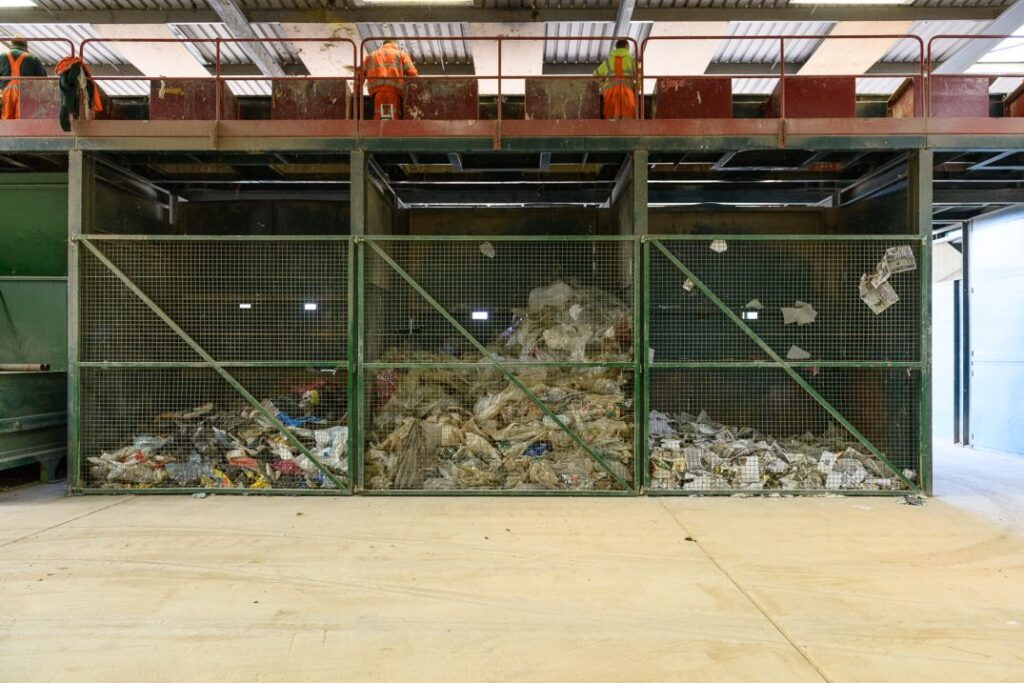
Recycling contamination is a persistent problem. When items like greasy food containers, nappies, or plastic bags end up in the recycling bin, they can ruin entire batches. This not only increases costs for sorting facilities but also reduces the volume of waste that can be effectively reused.
Upcoming Legislation and Its Impact
The UK government’s Environment Act and Simpler Recycling initiative are set to transform the waste landscape by 2025. These laws aim to standardise recycling collections across England, making it easier for both households and businesses to recycle consistently. All councils will be required to collect the same materials, including paper, cardboard, plastics, metals, and food waste—helping reduce confusion and improve overall recycling rates.
Extended Producer Responsibility (EPR) legislation is also expected to come into force, requiring manufacturers to take financial responsibility for the packaging they produce. This shift is designed to incentivise sustainable packaging design and reduce the environmental impact of waste at the source.
Innovations Shaping the Future of Recycling
Technology is playing a vital role in reshaping the UK’s recycling future. Smart bins equipped with sensors can now detect when they are full and notify collection services, reducing overflow and missed pick-ups. These systems also gather valuable data that local authorities can use to optimise collection routes and improve efficiency.
Artificial intelligence (AI) is being introduced in waste sorting facilities to identify and separate materials more accurately than human operators. These systems use machine learning to recognise different plastics, metals, and paper types, helping reduce contamination and increase recovery rates.
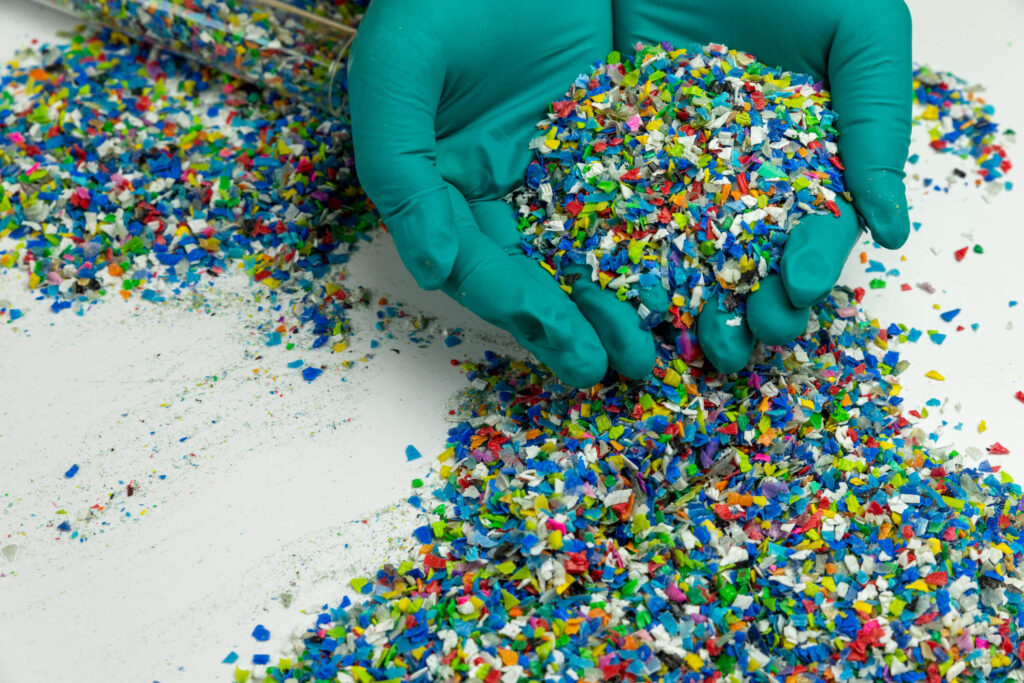
Meanwhile, chemical recycling is emerging as a solution for hard-to-recycle plastics. This method breaks down plastic at the molecular level so it can be repurposed into new materials, closing the loop on waste that would otherwise end up in landfill or incinerators.
The Role of Businesses and Consumers
While legislation and technology are key, the future of recycling also depends heavily on businesses and individuals. Companies must invest in sustainable packaging and take part in circular economy models that encourage reuse and material recovery. Some forward-thinking brands are already adopting closed-loop systems, where products are designed to be collected, broken down, and turned back into new goods.
Consumers can support the shift by being more mindful of what they buy, how they dispose of items, and staying informed about their local recycling guidelines. Simple actions—like rinsing containers before recycling, avoiding plastic films, and choosing products with recyclable packaging—make a bigger difference than most people realise.
A Circular Future Within Reach
The path forward for UK recycling lies in a combination of policy reform, technological innovation, and collective responsibility. While there are undeniable challenges to overcome, the direction is clear: towards a circular economy where waste is not an afterthought but a valuable resource. With the right investment and continued public engagement, the UK can set a global example for sustainable waste management in the years to come.