
Addressing the Biggest Challenges in UK Waste Management
An Urgent Need for Innovation in UK Waste Management
The UK waste management sector faces complex challenges that affect communities, ecosystems, and efforts to combat climate change. Each year, the UK produces over 220 million tonnes of waste, placing immense pressure on waste management systems, policies, and public compliance. However, recent innovations in artificial intelligence (AI) and education-driven awareness campaigns offer new approaches to tackling these pressing issues. Companies like Budget Waste Management are pioneering solutions to improve waste management and recycling effectiveness through innovative services and a strong commitment to sustainability.
Current Challenges in UK Waste Management
Growing Waste Volumes and Limited Landfill Capacity
The sheer volume of waste generated in the UK poses a significant challenge. Landfill space is increasingly limited, and as waste accumulates, it brings adverse effects on local environments. Landfills can contaminate soil and water sources and release harmful gases, impacting communities in nearby areas. To mitigate this, the UK has implemented landfill taxes to discourage waste disposal in landfills and promote more sustainable waste management options. While these taxes support sustainable practices, they also increase costs for businesses and local councils.
Recycling Inefficiencies and Contamination
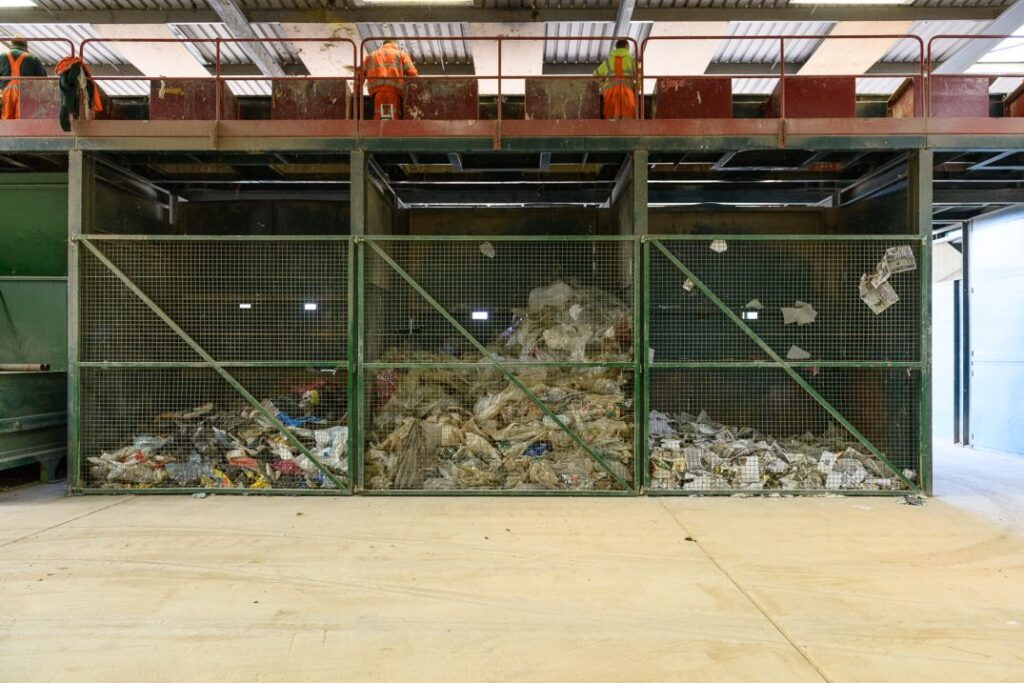
Recycling programs are well established in the UK, yet a considerable portion of recyclable materials still ends up in landfills. This is often due to confusion around recycling guidelines and variations in regional policies. Additionally, contamination in recycling bins, where non-recyclable items are mixed with recyclables, reduces the quality and usability of recycled materials. Overcoming these inefficiencies requires standardising recycling practices, improving public education, and streamlining the recycling process to ensure that more waste is effectively recycled.
Plastic Waste and E-Waste on the Rise
Plastic pollution remains one of the most significant environmental challenges, particularly from single-use plastics. While measures like plastic bag fees and bans on certain plastic products have been implemented, plastic waste still contributes heavily to pollution. Electronic waste, or e-waste, is another growing issue, driven by the rapid pace of technological upgrades. E-waste often contains toxic materials that, if not disposed of properly, can be harmful to the environment. Addressing plastic and e-waste requires a combination of public education, recycling infrastructure, and advanced processing methods.
Food Waste and Its Environmental Impact
Food waste represents a substantial environmental and economic issue. From production through to consumption, large amounts of food are wasted, contributing to resource depletion and greenhouse gas emissions. Managing food waste more effectively can not only reduce emissions but also save valuable resources that are otherwise lost along the supply chain.
Gaps in Policy and Infrastructure
The lack of consistent waste policies and modern infrastructure is a considerable barrier to effective waste management in the UK. Local regulations vary widely, creating confusion among residents and businesses about proper waste disposal practices. In addition, outdated waste processing facilities struggle to handle modern waste types, such as electronic or composite materials. Overcoming these gaps requires updated infrastructure and policy reforms to create a unified approach to waste management across regions.
Innovations in AI and Education Transforming Waste Management
AI is playing an increasingly important role in waste management through intelligent waste sorting, predictive analytics, and public awareness initiatives. AI-powered sorting systems use machine learning to accurately identify and separate waste types, which minimises contamination and improves recycling rates. Predictive analytics offers insights into waste generation patterns, allowing for optimised collection schedules and better resource allocation. AI can also inform public awareness campaigns by analysing trends in recycling behaviour, helping to target educational efforts more effectively.
The Role of Local Companies in Sustainable Waste Management
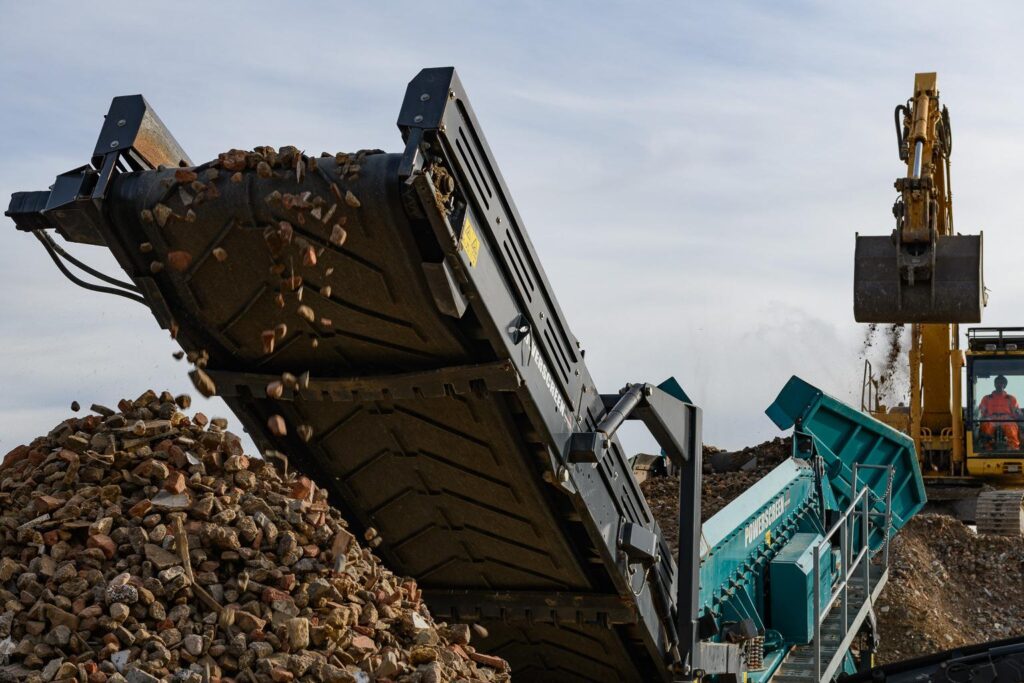
Local recycling companies and waste management firms like Budget Waste Management are essential in the transition to sustainable waste management. These companies not only handle waste collection and disposal but also provide vital recycling services, processing materials like topsoil, aggregates, and construction waste. By working directly with communities and local businesses, firms like this support recycling initiatives, reduce landfill waste, and offer cost-effective solutions for waste disposal. Local waste management companies are integral to building a circular economy by repurposing materials that would otherwise be discarded, helping to reduce environmental impact while fostering sustainable waste practices at a community level.
The Role of Education in Shaping Waste Management Practices
Building Public Awareness through Strategic Education
Public education is a critical component in fostering sustainable waste practices. By developing clear, accessible educational campaigns, organisations can help the public understand recycling guidelines, reduce contamination, and encourage responsible disposal practices. AI waste management firms partnerships with educational institutions aim to create impactful programs that raise awareness about the importance of proper waste handling and the environmental costs of poor waste management.
Empowering Local Communities and Schools
Engaging local communities and schools in waste management education empowers individuals to take ownership of their waste habits. Through workshops, events, and school programs, young people and local residents can learn about waste reduction, recycling, and environmental conservation. These community-driven initiatives align with the UK’s sustainability goals and help foster long-term behavioural changes that benefit both the environment and society.
A Holistic Approach: Combining AI, Education, and Local Expertise to Overcome Waste Challenges
Addressing the UK’s waste management challenges requires a comprehensive approach that combines advanced technology, public education, and local expertise. Integrating AI for waste sorting, predictive analytics, and resource allocation enhances efficiency across the waste management lifecycle. Educational initiatives are equally essential, as they raise public awareness, reduce recycling contamination, and encourage responsible waste practices. Additionally, local recycling firms like Budget Waste Management play a crucial role by offering tailored recycling services that turn materials into valuable resources, fostering sustainable waste solutions within communities. Together, these components form a cohesive framework for a cleaner, more sustainable waste management system in the UK.